How Do I Cure Haworthia Pygmaea Root Rot?
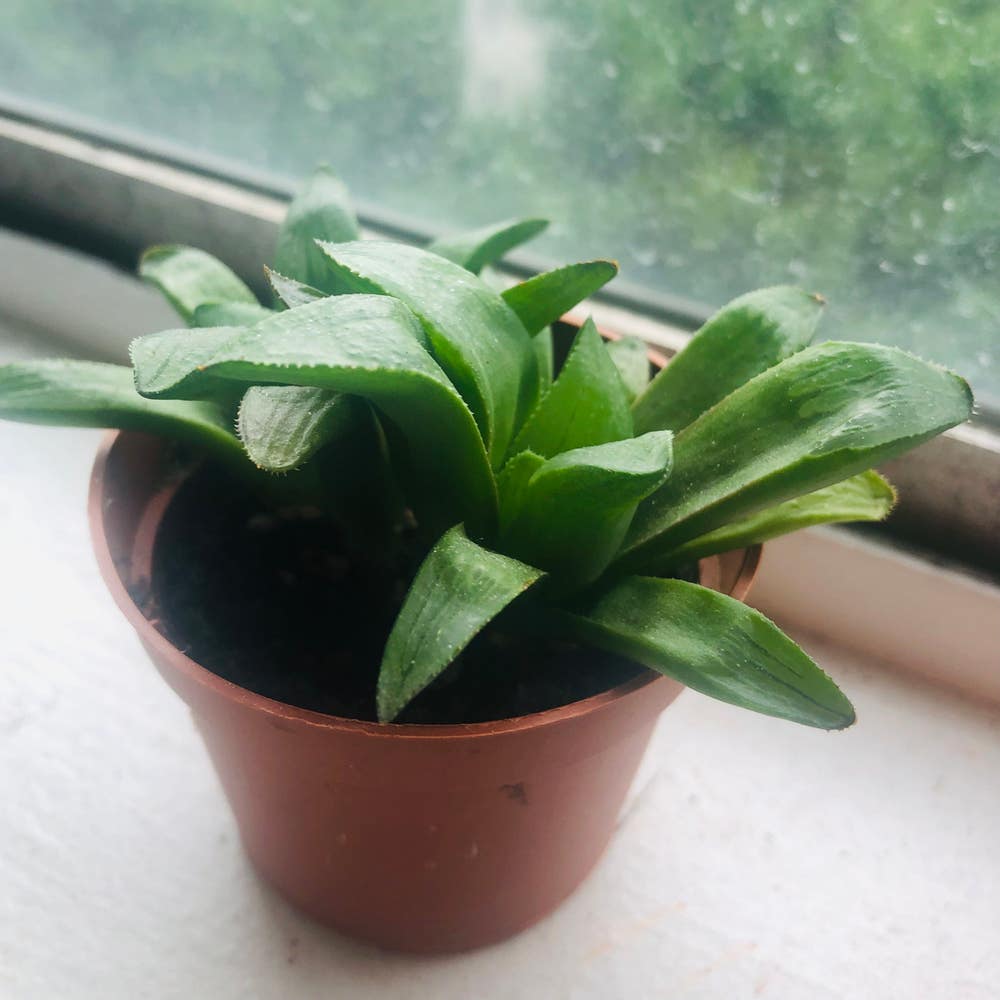
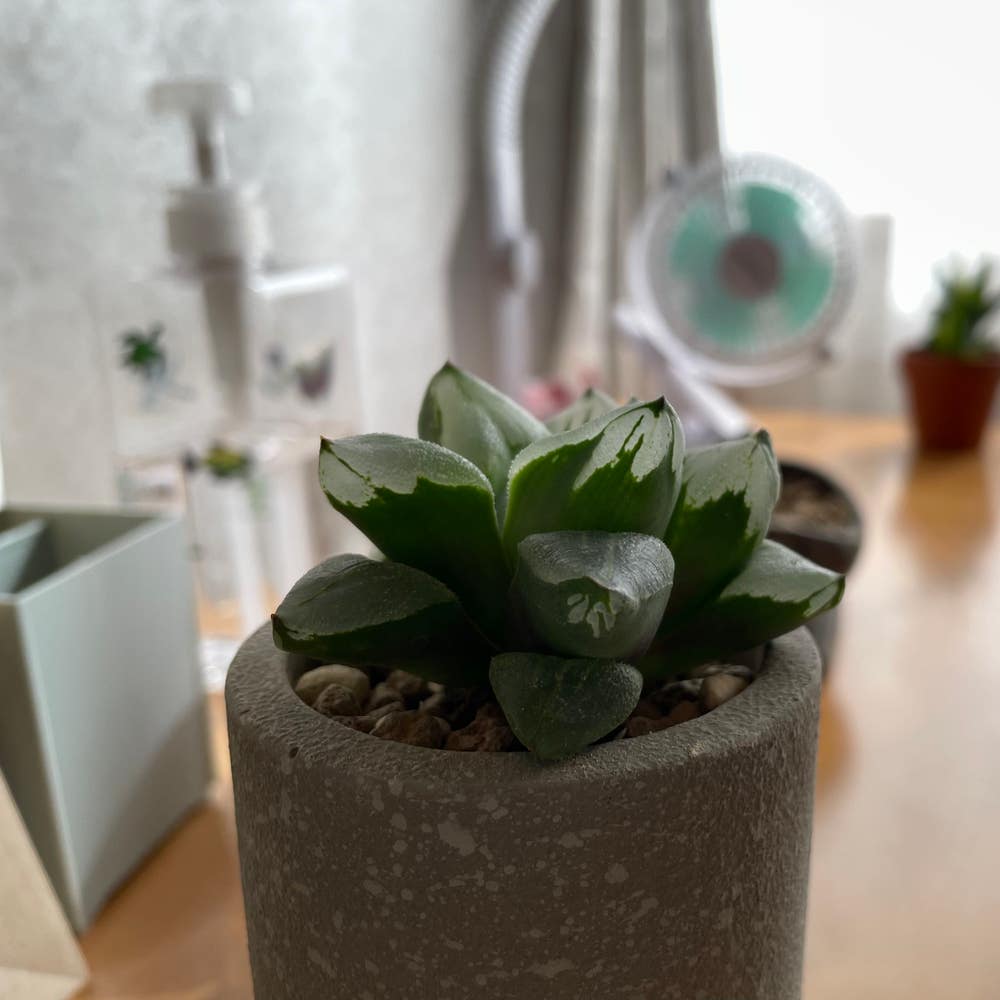
Haworthia pygmaea
By the Greg Editorial Team
Feb 13, 2024•4 min read
This article was created with the help of AI so we can cover more plants for you. May contain errors. See one? Report it here.
Rescue your succulent from root rot's clutches 🆘 and ensure its long-term health with our vital tips! 🌵
- Yellow leaves and browning tips may signal root rot in Haworthia pygmaea.
- Trim and air out roots after removing rotten parts with sterilized scissors.
- Use well-draining soil and pots; water only when topsoil is dry.
Spotting Trouble: Recognizing Root Rot Symptoms
🍂 Leafy Telltales: Identifying Discoloration and Texture Changes
Yellowing leaves on your Haworthia pygmaea are not just a fashion statement; they're a distress signal. If the leaves feel as limp as a wet noodle, it's time to suspect root rot. Browning at the tips or base can also indicate a cry for help from below the soil.
👃 Sniff and Poke: Detecting Root Rot Through Smell and Touch
When your plant's soil smells worse than your gym socks after a marathon, that's the stench of root rot. Don't be shy—get in there and poke around. If the roots crumble like overbaked cookies, you've got a problem. Healthy roots should feel as sturdy as a fresh carrot, not like they've been through a blender.
Emergency Room: Saving Your Haworthia Pygmaea
🌱 Root Rescue: How to Safely Inspect and Clean the Roots
First things first, gently remove your Haworthia pygmaea from its pot. It's like defusing a bomb; steady hands are a must. Brush away the soil and give the roots a rinse. You're looking for roots that are firm and pale—these are the keepers. Mushy, dark, or slimy roots are bad news.
🏥 Surgery Time: Trimming the Bad, Keeping the Good
Grab your sterilized scissors—it's time to play plant surgeon. Snip away the rotten roots with precision. Be ruthless but not reckless; you're saving a life here. After the amputation, let the roots air out. It's like they're catching their breath after a narrow escape.
🌿 Fresh Start: Repotting in a Healing Environment
Now, for the fresh start. Ensure your new pot has drainage holes like Swiss cheese. Cover these with mesh or broken pottery shards—no soil escapes on our watch. Fill the bottom with a well-draining mix; think three parts potting soil, one part pumice, and a dash of horticultural-grade sand. Repot your Haworthia, tucking it in like a baby in a cradle. Water sparingly; this isn't a pool party. It's rehab, and you're the warden.
Water Wisely: Preventing Root Rot Before It Starts
💧 Less is More: Mastering the Art of Watering Haworthia pygmaea
Watering your Haworthia pygmaea is like a covert ops mission—precision is key. Wait until the top inch of soil feels like a dry martini before you give it another drink. This isn't a tropical rainforest; it's the desert section of your windowsill.
Remember, these succulents are more camel than fish. They store water in their leaves, so they can handle a drought better than a deluge. During dormancy, usually in the hotter months, your plant's thirst slows down. Cut back on watering like you're rationing in a siege.
🌱 Soil Matters: Choosing the Right Mix for Drainage and Health
Soil is the Haworthia's kingdom, and you're the kingmaker. Choose wisely. A mix that drains faster than a sinkhole in Florida is what you're after. Think equal parts potting soil, coarse sand, and perlite. It's like creating a bespoke suit; tailor it to your plant's needs.
Terracotta pots are the unsung heroes here, drying out quicker than a comedian's wit. And make sure those pots have more holes than a conspiracy theory. If you're feeling crafty, a gravel bed beneath the pot is like adding a security system against root rot.
Remember, the right environment is everything. It's not just about keeping your plant alive, it's about letting it thrive.
Home Sweet Home: Creating the Ideal Environment
🌱 The Perfect Pot: Importance of Drainage Holes and Material
Drainage holes are non-negotiable. They're your plant's lifeline, allowing excess water to escape and preventing the dreaded root rot. Terra cotta pots are a win; they let soil breathe and dry out faster than plastic. If you fall for a pot without holes, grab a drill. It's a DIY moment that could save your plant's life.
☀️ Location, Location, Location: Finding the Best Spot for Your Plant
Light is key. Your Haworthia pygmaea craves bright, indirect sunlight. Too much direct sun can scorch it, too little, and it'll sulk. Find a spot that's just right—think Goldilocks for plants. And keep an eye on the temperature; these succulents dislike the cold as much as a misplaced penguin.
⚠️ Safety First
This content is for general information and may contain errors, omissions, or outdated details. It is not medical, veterinary advice, or an endorsement of therapeutic claims.
Always consult a qualified healthcare professional before using any plant as food, medicine, or supplement.
Never eat any plant (or feed one to pets) without confirming its identity with at least two trusted sources.
If you suspect poisoning, call Poison Control (800) 222-1222, the Pet Poison Helpline (800) 213-6680, or your local emergency service immediately.
Spotted an error? Please report it here.
Ensure your Haworthia pygmaea overcomes root rot and thrives with tailored watering reminders 🌱 from Greg, based on your plant's recovery stage and home environment.