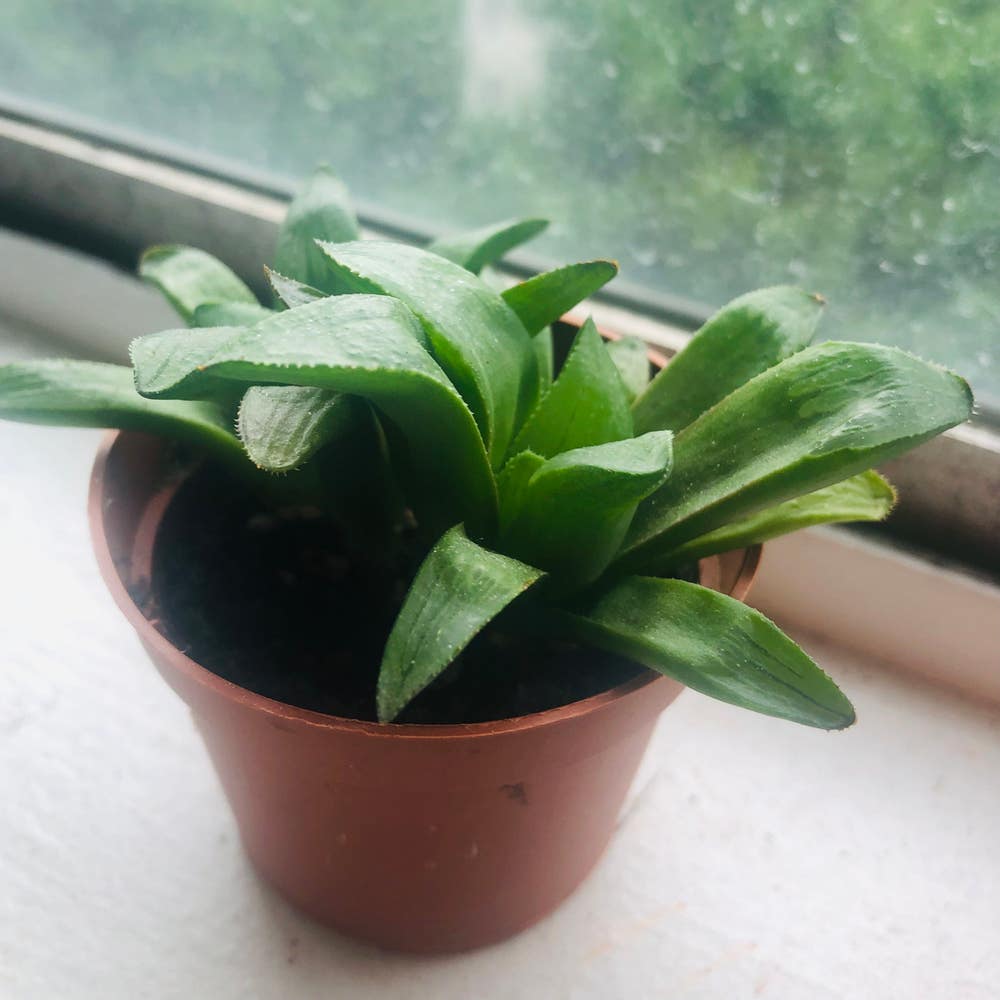
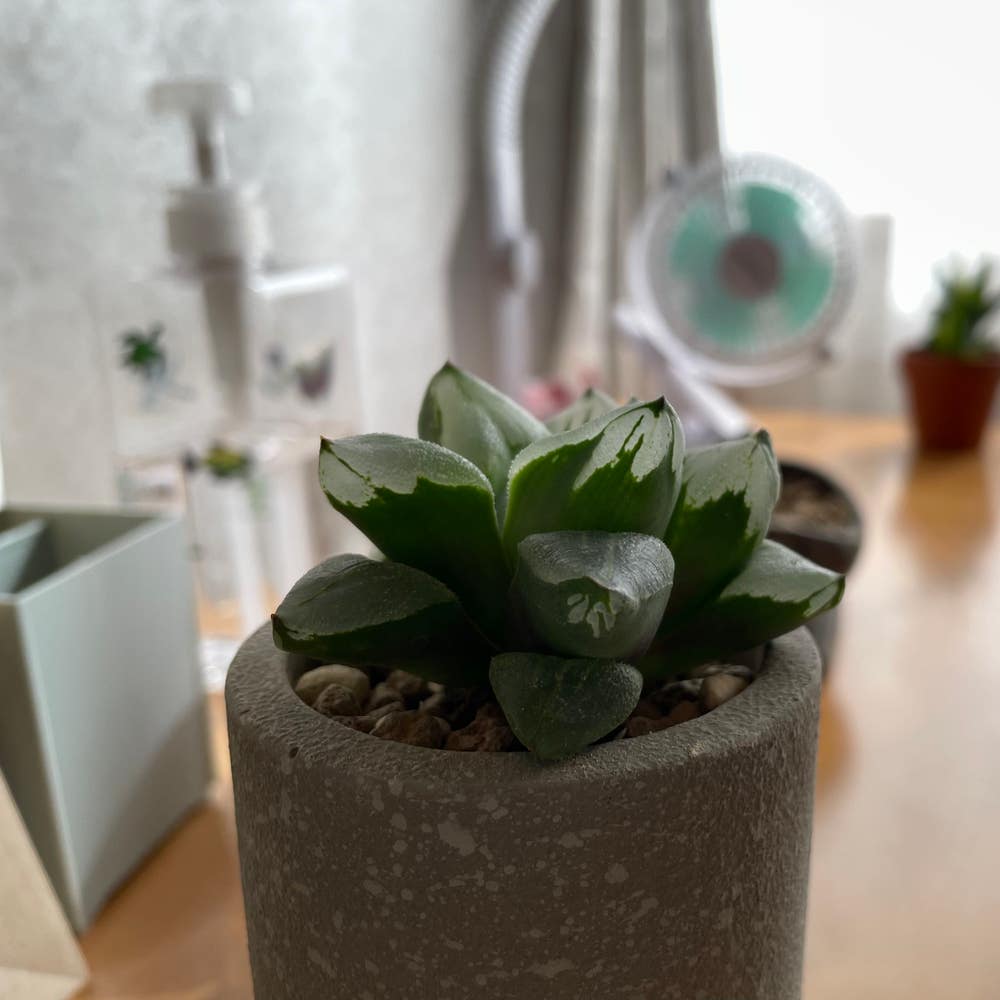
🌵 How to Care for Your Pygmy Haworthia in Winter
Haworthia pygmaea
By the Greg Editorial Team
Oct 01, 2024•4 min read
This article was created with the help of AI so we can cover more plants for you. May contain errors. See one? Report it here.
Master winter care for your Pygmy Haworthia 🌱 to ensure a lush, vibrant spring recovery! ❄️
- 💧 Water Pygmy Haworthia every 3-4 weeks in winter to prevent overwatering.
- ❄️ Protect from frost; it's less cold-hardy than other succulents.
- 🌞 Provide bright, indirect light for optimal health during winter dormancy.
Winter Care Requirements
Adjusting Watering Schedules for Winter 🌊
During winter, it's crucial to adjust your watering schedule for your Pygmy Haworthia. Reduce watering to once every 3-4 weeks to prevent overwatering.
Watch for signs of overwatering, such as yellowing leaves or a mushy texture. Always ensure the soil dries out completely between waterings to keep your plant healthy.
Fertilizing Needs During Dormancy ❄️
In winter, your Pygmy Haworthia enters a dormancy phase, so it's best to withhold fertilizers. This allows the plant to conserve energy and focus on recovery.
When spring arrives, use a diluted, balanced succulent fertilizer to give your plant a nutrient boost. Remember, nutrient uptake is limited during dormancy, so timing is key for optimal growth.
Importance of Light and Temperature Control ☀️
Light and temperature play significant roles in your plant's winter care. Pygmy Haworthia thrives in bright, indirect light but can tolerate lower light conditions.
Aim for a temperature range of 15°C to 20°C (59°F to 68°F) to keep your plant comfortable. Be mindful of its placement; avoid drafts or heat sources that could disrupt its environment.
By following these winter care requirements, you’ll set your Pygmy Haworthia up for a successful transition into spring. Next, let's explore how to protect your plant from frost.
Protection from Frost
🌨️ Identifying Frost Risks
Pygmy Haworthia is notably less cold-hardy than many other succulents. This makes it particularly vulnerable to frost, so keep an eye out for signs of frost damage, such as wilting, discoloration, or mushy leaves.
🏠 Methods for Frost Protection Indoors and Outdoors
Indoor Protection
To safeguard your Pygmy Haworthia indoors, place it near windows that receive bright, indirect sunlight. During extreme cold spells, consider covering the plant with frost cloths or blankets to provide extra insulation.
Outdoor Protection
For outdoor plants, moving pots to sheltered areas or bringing them indoors can make a significant difference. Additionally, applying a layer of mulch around the base will help insulate the roots and protect them from freezing temperatures.
By taking these precautions, you can ensure your Pygmy Haworthia remains healthy and vibrant throughout the winter months. Next, let’s explore optimal indoor conditions to further support your plant during this chilly season.
Indoor Winter Care
Optimal Indoor Conditions 🌬️
Maintaining the right indoor conditions is crucial for your Pygmy Haworthia during winter. Aim for low humidity levels; overly moist environments can lead to mold and rot.
Good air circulation is equally important. Ensure there's enough airflow around your plant to keep it healthy and thriving.
Signs of Stress and How to Address Them 🚨
Keep an eye out for stress indicators like drooping leaves, discoloration, or stunted growth. These signs can signal that your plant needs immediate attention.
To address these issues, consider adjusting the light exposure. Increasing indirect light can help revive your Haworthia.
Additionally, modify your watering routine. Ensure the soil dries out completely between waterings to prevent further stress.
As you care for your Pygmy Haworthia indoors, remember that small adjustments can make a big difference. With the right conditions and attentive care, your plant will be ready to thrive come spring.
Spring Preparation and Recovery
🌨️ Signs of Winter Damage and Recovery Strategies
As winter fades, it's crucial to assess your Pygmy Haworthia for any signs of damage. Look for shriveled leaves or discoloration, which indicate stress from the colder months.
To help your plant bounce back, consider pruning away any damaged leaves. This encourages new growth and revitalizes the plant. Additionally, reassess your care routine; adjusting watering and light conditions will support your Haworthia as it wakes from dormancy.
🌱 Preparing for Spring Growth
Transitioning your care routine is essential as temperatures rise. Gradually increase your watering frequency to match the warming environment, ensuring the soil dries out between waterings.
Start fertilizing with a diluted solution in early spring to provide the nutrients your plant craves. Keep an eye out for new growth; it's a positive sign that your Pygmy Haworthia is recovering and thriving.
As you prepare for spring, remember that attentive care will set the stage for a vibrant growing season ahead.
⚠️ Safety First
This content is for general information and may contain errors, omissions, or outdated details. It is not medical, veterinary advice, or an endorsement of therapeutic claims.
Always consult a qualified healthcare professional before using any plant as food, medicine, or supplement.
Never eat any plant (or feed one to pets) without confirming its identity with at least two trusted sources.
If you suspect poisoning, call Poison Control (800) 222-1222, the Pet Poison Helpline (800) 213-6680, or your local emergency service immediately.
Spotted an error? Please report it here.
Keep your Pygmy Haworthia thriving this winter ❄️ with Greg's tailored watering reminders and expert care tips, setting the stage for a vibrant spring!