💧 How Do I Know When My Haworthia pygmaea Needs Water?
Haworthia pygmaea
By the Greg Editorial Team
Feb 13, 2024•3 min read
This article was created with the help of AI so we can cover more plants for you. May contain errors. See one? Report it here.
Discover the secret to a perky Haworthia pygmaea 🌵—master its watering cues for lush growth!
- Wrinkled leaves signal thirst; check for dry soil with a finger test.
- Seasons change, so does watering; more in summer, less in winter.
- Pot size and material matter; they influence watering frequency.
Spotting a Thirsty Haworthia
👀 Visual SOS Signals
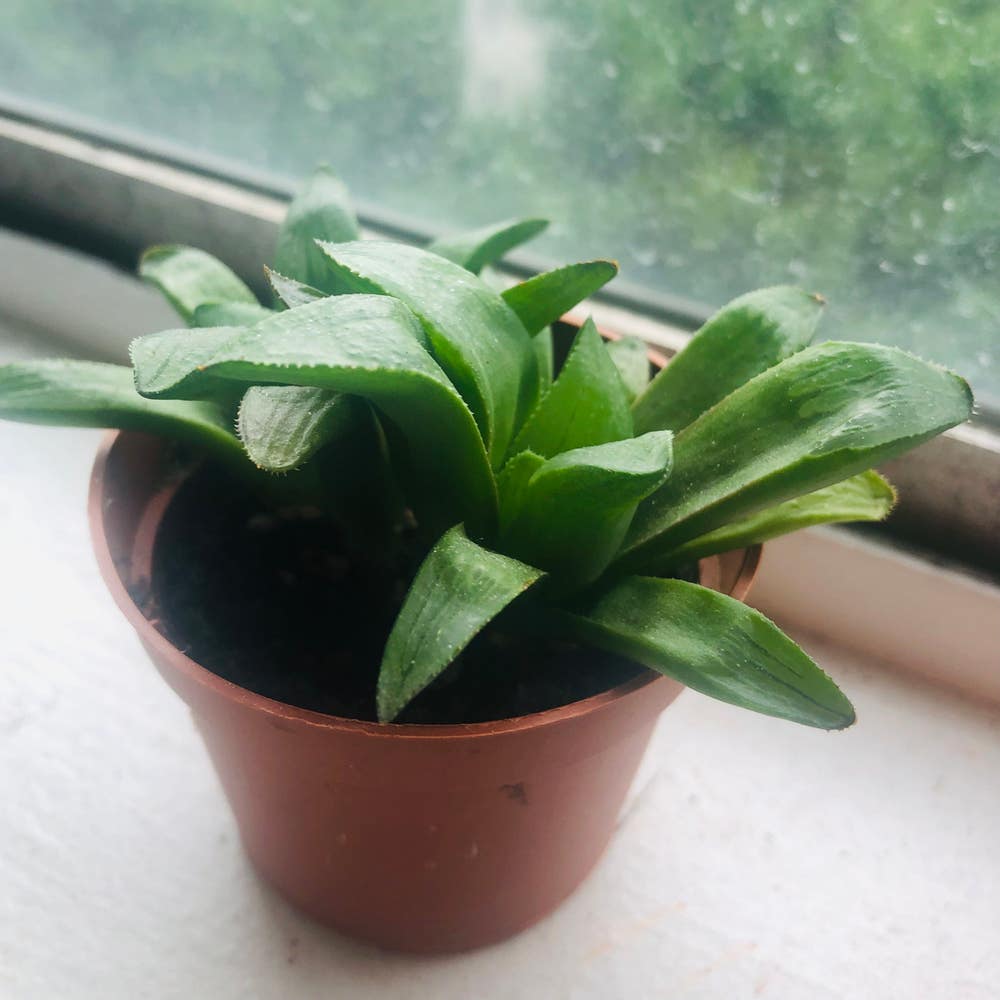
Wrinkled leaves and a dull, lackluster color are red flags; your Haworthia pygmaea is parched. These succulents are hardy, but they have their limits. When they start to look like they've been on a week-long hike without a water bottle, it's time to step in.
🖐 The Touch Test
Forget fancy gadgets; your finger is the ultimate soil moisture meter. Plunge it into the earthy abode of your Haworthia. If the soil feels as dry as a comedian's wit, it's time to water. But if it clings to your finger like an over-attached octopus, hold off on the hydration.
Weight and Wait
Heft the pot. A light pot is a thirsty pot. It should feel like it's had a decent meal, not skipped lunch. If it's as light as your conscience after confessing your love for trashy reality TV, it's time to water. But if it's heavy, like your heart after the season finale, give it a break.
Watering the Right Way
💧 Perfect Pour
To ensure your Haworthia pygmaea thrives, mimic a desert downpour by saturating the soil until water escapes from the drainage holes. Then, allow it to drain completely—no soggy soil. It's not about sticking to a strict schedule; it's about observing your plant's needs. Use a moisture meter for precision, or trust the old finger test.
🌦 Seasonal Shifts
Your watering can should dance with the seasons. In the summer heat, your Haworthia's thirst spikes, so water more frequently. Come winter, dial it back. The plant's metabolism slows, meaning less water is needed. Monitor the soil's moisture and adjust your approach accordingly—less is often more in the chill.
🌱 Pot and Soil Savvy
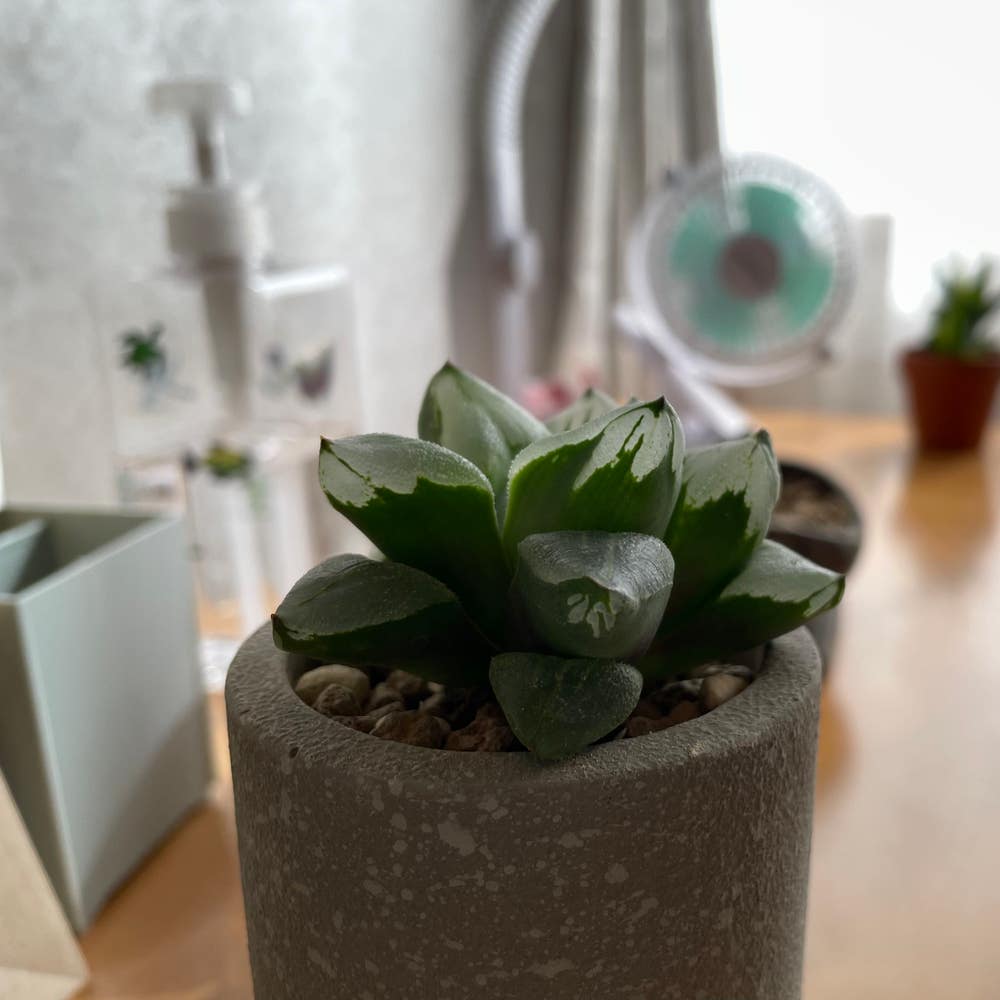
Choose a pot that complements your Haworthia's modest size and ensure it has adequate drainage. The soil mix should be a well-draining concoction, perhaps with added perlite or sand. This setup will prevent water from overstaying its welcome and keep the roots just the right kind of dry.
When External Factors Come into Play
🌡️ Home Environment Variables
Indoor temperature and humidity significantly influence your Haworthia pygmaea's thirst. Cranked-up heating or a blasting AC can strip the air of moisture, leaving your plant gasping for a drink. Keep tabs on your climate control settings and consider investing in a hygrometer to stay ahead of the game.
🌱 The Pot Effect
Pot size and material are the silent players in your watering routine. Small pots are like tiny sponges—they dry out quicker than you can say "water me." On the other hand, large pots hoard moisture like a camel, meaning less frequent watering. Material matters too; terra cotta breathes easy, letting soil dry out faster, while plastic is the clingy type, holding onto moisture for longer. Choose wisely, or you'll be stuck in a cycle of over or under-watering.
Fine-Tuning Your Watering Game
💧 Growth Stage Adjustments
Young Haworthias are like startups; they need consistent moisture to establish roots. As they mature, they shift from growth to maintenance mode. Monitor soil moisture and adjust your watering to match their evolving needs. Overwatering can drown a mature plant's roots, so let's not turn our succulents into a soggy mess.
☀️ Acclimation Is Key
When moving your Haworthia to a new spot, think slow and steady. Start in complete shade, then gradually introduce it to more light to avoid a full-blown plant meltdown. Watch for stress signs like yellowing leaves, and dial back the sunbathing if needed. It's about finding that perfect spot where your plant can thrive without frying.
⚠️ Safety First
This content is for general information and may contain errors, omissions, or outdated details. It is not medical, veterinary advice, or an endorsement of therapeutic claims.
Always consult a qualified healthcare professional before using any plant as food, medicine, or supplement.
Never eat any plant (or feed one to pets) without confirming its identity with at least two trusted sources.
If you suspect poisoning, call Poison Control (800) 222-1222, the Pet Poison Helpline (800) 213-6680, or your local emergency service immediately.
Spotted an error? Please report it here.
Your Haworthia pygmaea will stay vibrant 🌟 with Greg's tailored reminders, ensuring it gets just the right amount of water without the guesswork.