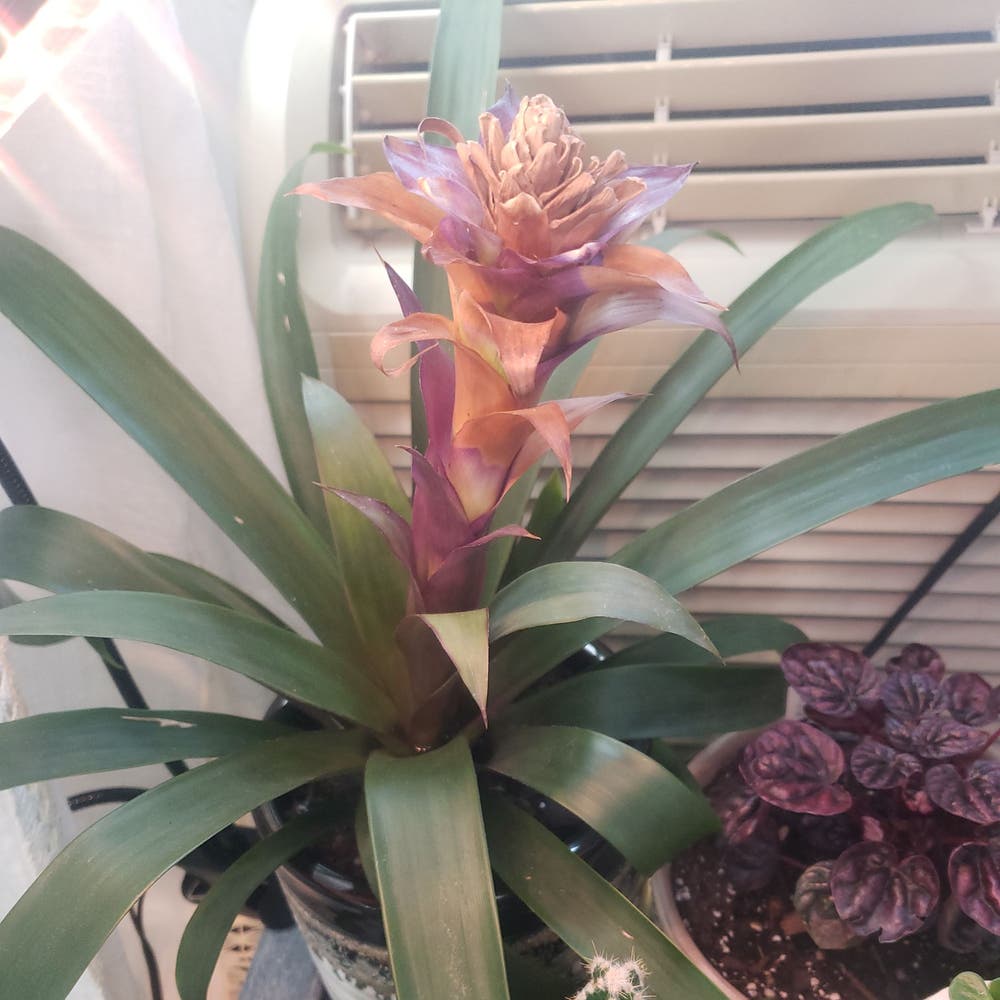
5 Ideal Locations to Plant Bromeliad
Neoregelia 'Shenba'
By the Greg Editorial Team
Jul 26, 2024•4 min read
This article was created with the help of AI so we can cover more plants for you. May contain errors. See one? Report it here.
- 🌤️ Bright, indirect light is best for Bromeliads; avoid direct sun.
- 🌱 Well-draining soil and humidity are key to Bromeliad health.
- 🏡 Choose indoor spots, sheltered gardens, or containers for ideal planting.
Bromeliad Location Needs
🌞 Sunlight Preferences
Bromeliads flourish in lighting that mimics their natural habitat. Here's what to keep in mind:
- They thrive in bright, indirect sunlight or dappled shade.
- Direct sunlight can lead to leaf scorch, while too little light diminishes color and variegation.
- Placement within 3 feet of a window maximizes growth without the risks of direct exposure.
🍃 Soil and Drainage Essentials
The right soil mix is crucial for Bromeliads:
- Well-draining soil rich in organic matter is ideal.
- For terrestrial varieties, amend garden soil with compost to enhance texture and drainage.
- Epiphytic Bromeliads absorb nutrients from the air and may not require traditional soil.
🌡️ Temperature and Humidity Considerations
Bromeliads have specific climate preferences:
- They enjoy moderate temperatures between 60°F and 80°F (15°C - 27°C).
- While they tolerate a range of humidity levels, they prefer a humid environment.
- Avoid placing near heat or air conditioning vents to prevent temperature stress.
Indoor Planting Spots
Bright, Indirect Light Areas
🌿 Bromeliads flourish in well-lit environments, but they're not fans of harsh sunlight. To find the sweet spot indoors, look for areas that are bathed in bright, but indirect light. East-facing windows capture the gentle morning sun, making them a prime location. If you only have south or west-facing windows, consider using sheer curtains to diffuse the intense rays. Regular rotation of your bromeliad will ensure all sides receive equal light, promoting even growth.
- East-facing windows for morning light
- Sheer curtains to soften direct sun from south or west-facing windows
- Rotate plants to expose all sides to light
Humidity and Temperature Control
🌡️ Creating a bromeliad-friendly environment indoors means paying attention to humidity and temperature. Aim for a consistent temperature, avoiding the extremes of hot air vents or cold drafts. To boost humidity, especially during dry winter months, use a pebble tray with water beneath the plant or place your bromeliad in naturally humid rooms like kitchens or bathrooms. Just make sure the light conditions are still adequate in these spaces.
- Keep away from hot and cold air drafts
- Use a pebble tray for humidity
- Consider kitchens and bathrooms for natural humidity, but check light levels
Outdoor Garden Settings
🏡 Sheltered Garden Beds
Bromeliads thrive when nestled in cozy, protected garden spots. Think of these areas as personal retreats for your plants, where they're shielded from harsh midday sun and buffered against strong winds. Here's why sheltered beds rock for Bromeliads:
- They minimize the risk of scorching leaves and provide a stable environment, even when the weather throws a tantrum.
- Protected spots can be warmer, extending the growing season for these tropical beauties.
🌿 Companion Planting
Choosing the right plant neighbors is like throwing a great party; everyone benefits. Companion planting can boost your Bromeliad's health and create a visually stunning display. Here's how to pick the perfect plant pals:
- Select plants that offer a canopy of protection, like larger foliage plants, to cast gentle shade.
- Go for companions that share similar water and light preferences, ensuring harmonious growth without competition.
- Consider plants that can enhance humidity around your Bromeliads, making them feel right at home.
Landscape Integration
🌿 Understory Planting
Bromeliads flourish in the dappled light beneath taller trees, where they can bask in the filtered sunshine. Here's how to integrate them into your landscape:
- Choose trees that provide a high canopy for ample indirect light.
- Ensure the soil mimics the Bromeliad's natural habitat with good drainage and organic matter.
🏗️ Architectural Features
Architectural elements not only add visual interest but also offer practical benefits for Bromeliads:
- Use walls and fences for wind protection and to create sun pockets.
- Position Bromeliads near structures that cast shadows for part of the day, balancing their light exposure.
Containers and Raised Beds
🌿 Advantages of Container Planting
Bromeliads thrive when their unique needs are met, and container planting offers a level of precision that ground planting can't match. Here's why containers could be your Bromeliad's best friend:
- Flexibility: Move your Bromeliads with ease to catch the right amount of sunlight or to protect them from harsh weather.
- Drainage Control: Tailor the potting mix to ensure fast drainage, reducing the risk of root rot.
- Aesthetic Appeal: Swap out plants seasonally for a constantly refreshing display.
- Accessibility: Perfect for those with limited space, like balconies or patios.
🌱 Raised Bed Strategies
Raised beds aren't just for vegetables; they're a Bromeliad's paradise when done right. Here's how to leverage raised beds for your Bromeliads:
- Improved Drainage: Elevate your Bromeliads to avoid waterlogged soil, especially in heavy rainfall areas.
- Soil Quality: Mix in organic matter and airy substrates like pine bark to create the ideal home for your plant's roots.
- Temperature Control: Raised beds warm up faster in the spring, giving your Bromeliads a head start.
- Ease of Maintenance: Say goodbye to back-breaking gardening; raised beds are easier to reach and manage.
⚠️ Safety First
This content is for general information and may contain errors, omissions, or outdated details. It is not medical, veterinary advice, or an endorsement of therapeutic claims.
Always consult a qualified healthcare professional before using any plant as food, medicine, or supplement.
Never eat any plant (or feed one to pets) without confirming its identity with at least two trusted sources.
If you suspect poisoning, call Poison Control (800) 222-1222, the Pet Poison Helpline (800) 213-6680, or your local emergency service immediately.
Spotted an error? Please report it here.
Place your Bromeliads in their ideal home and ensure their vibrancy 🌤 with Greg's PlantVision for perfect light conditions and custom watering reminders!