7 Tips for Selecting the Best Pot for Bromeliad
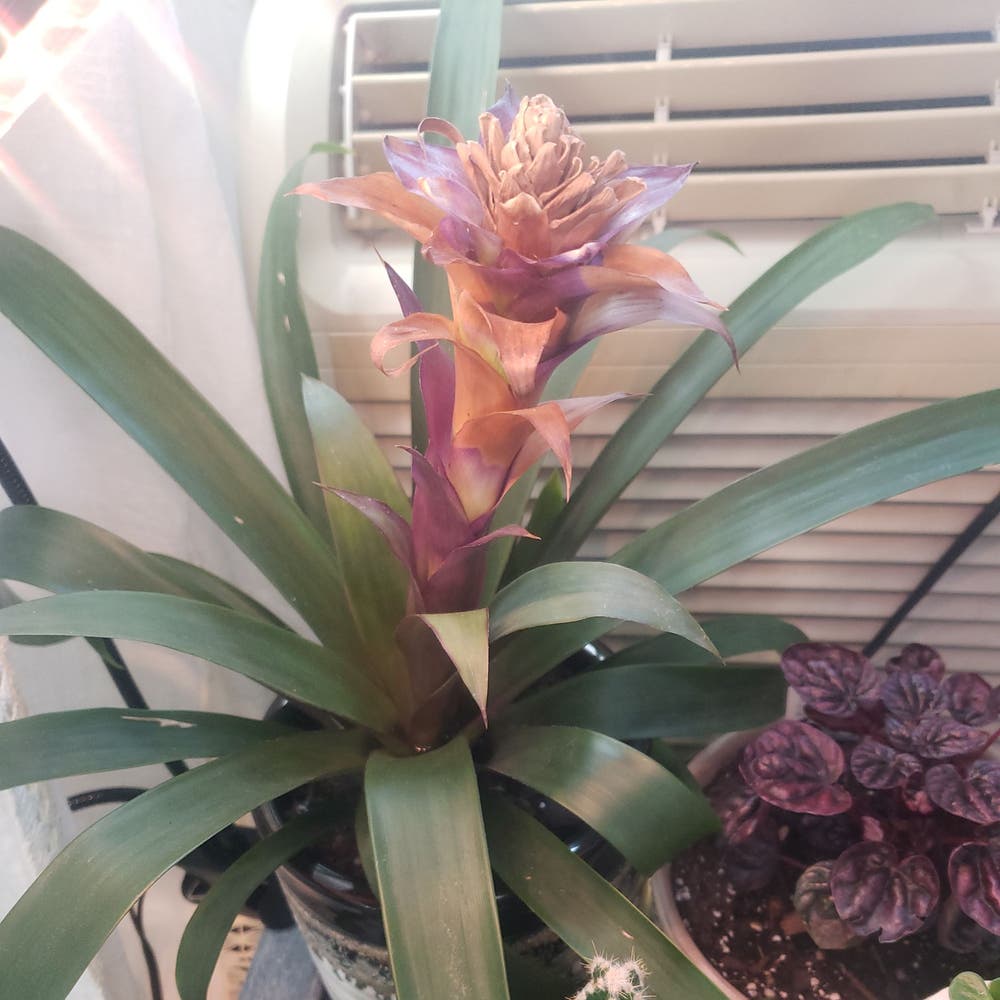
Neoregelia 'Shenba'
By the Greg Editorial Team
Jul 26, 2024•3 min read
This article was created with the help of AI so we can cover more plants for you. May contain errors. See one? Report it here.
- 🌱 Pot size is key for Bromeliad health; choose 1-2 inches larger when repotting.
- 🏺 Terracotta/clay for breathability, plastic/composite for moisture retention.
- 💧 Ensure good drainage to prevent root rot; use drainage holes and proper potting mix.
Pot Size Matters
Choosing the right pot for your Bromeliad is crucial for its health and happiness.
🌱 Initial Potting
- Small Growth Habit Bromeliad: Use a 3″ – 4″ pot.
- Medium Growth Habit Bromeliad: Opt for a 5″ – 6″ pot.
- Large Growth Habit Bromeliad: An 8″ pot is ideal.
- Very Large Growth Habit Bromeliad: Go for a 10″ pot.
Remember, the goal is to balance moisture retention and air flow. A snug pot encourages healthy root development without the risk of waterlogging.
🌿 Growth and Repotting
Watch for these signs that your Bromeliad is ready for a bigger home:
- Overcrowding: Roots are crammed or peeking out of drainage holes.
- Slowed Growth: If your Bromeliad's growth has stalled, it may need more space.
- Tipping Over: A top-heavy plant can mean it's time for a larger base.
When choosing a new pot, aim for one that's 1-2 inches larger in diameter than the current one. This provides space without compromising the cozy environment Bromeliads prefer.
Best Pot Materials
🌿 Breathable Options
Terracotta and clay pots are a go-to for Bromeliad enthusiasts. Here's why they stand out:
- Their porous nature promotes air circulation, which is key for the health of Bromeliad roots.
- They wick away excess moisture, reducing the risk of root rot—a common concern for these tropical plants.
🎈 Lightweight Choices
On the flip side, plastic and composite materials offer their own set of benefits:
- They're champions of convenience: lightweight, easy to move, and less prone to breakage than their clay counterparts.
- These pots retain moisture for longer periods, which can be a boon in drier environments but necessitate careful watering to prevent soggy soil.
Drainage Essentials
Good drainage is like a safety net for your Bromeliad's roots, keeping them from drowning in excess water.
🚱 Preventing Root Rot
Drainage holes in your pot aren't just a nice-to-have; they're a must. Here's why:
- They let excess water escape, which is crucial because Bromeliads hate soggy soil.
- Without them, you're risking root rot, which is a fast track to a wilted, unhappy plant.
🌊 Improving Drainage
A pot's drainage can be boosted beyond just holes. Consider these strategies:
- Opt for a potting mix with perlite or coarse sand to increase water flow.
- Add a layer of gravel at the pot's base to prevent soil from clogging the holes.
- Regularly check that water flows out freely after watering, confirming the soil isn't waterlogged.
Repotting Best Practices
🌷 When to Repot
Springtime is your cue; it's the prime season for giving your Bromeliad a new home. Look out for these telltale signs:
- Roots peeking through drainage holes or circling the pot's bottom.
- Sluggish growth or a pot that's cracking from your plant's pressure.
- Leaves that are drooping or showing discoloration.
These are your plant's way of saying it's time for a change.
🏺 Selecting a New Pot
Choosing the next pot for your Bromeliad is about balance and attention to detail. Keep these criteria in mind:
- Size: Stick to a pot that's just one size larger than the current one. Bromeliads prefer cozy spaces and don't need oversized pots.
- Material: Go for breathable clay or terracotta to encourage healthy roots, or lightweight plastic for easy moving.
- Drainage: Non-negotiable. Ensure your new pot has ample drainage holes to prevent waterlogging and root rot.
Remember, a happy Bromeliad starts with the right foundation—its pot.
⚠️ Safety First
This content is for general information and may contain errors, omissions, or outdated details. It is not medical, veterinary advice, or an endorsement of therapeutic claims.
Always consult a qualified healthcare professional before using any plant as food, medicine, or supplement.
Never eat any plant (or feed one to pets) without confirming its identity with at least two trusted sources.
If you suspect poisoning, call Poison Control (800) 222-1222, the Pet Poison Helpline (800) 213-6680, or your local emergency service immediately.
Spotted an error? Please report it here.
Choose the ideal pot and watch your Bromeliad flourish 🌱 with Greg's precise pot-sizing and care reminders tailored to your plant's needs.