Why Bromeliad Is A Perennial Plant
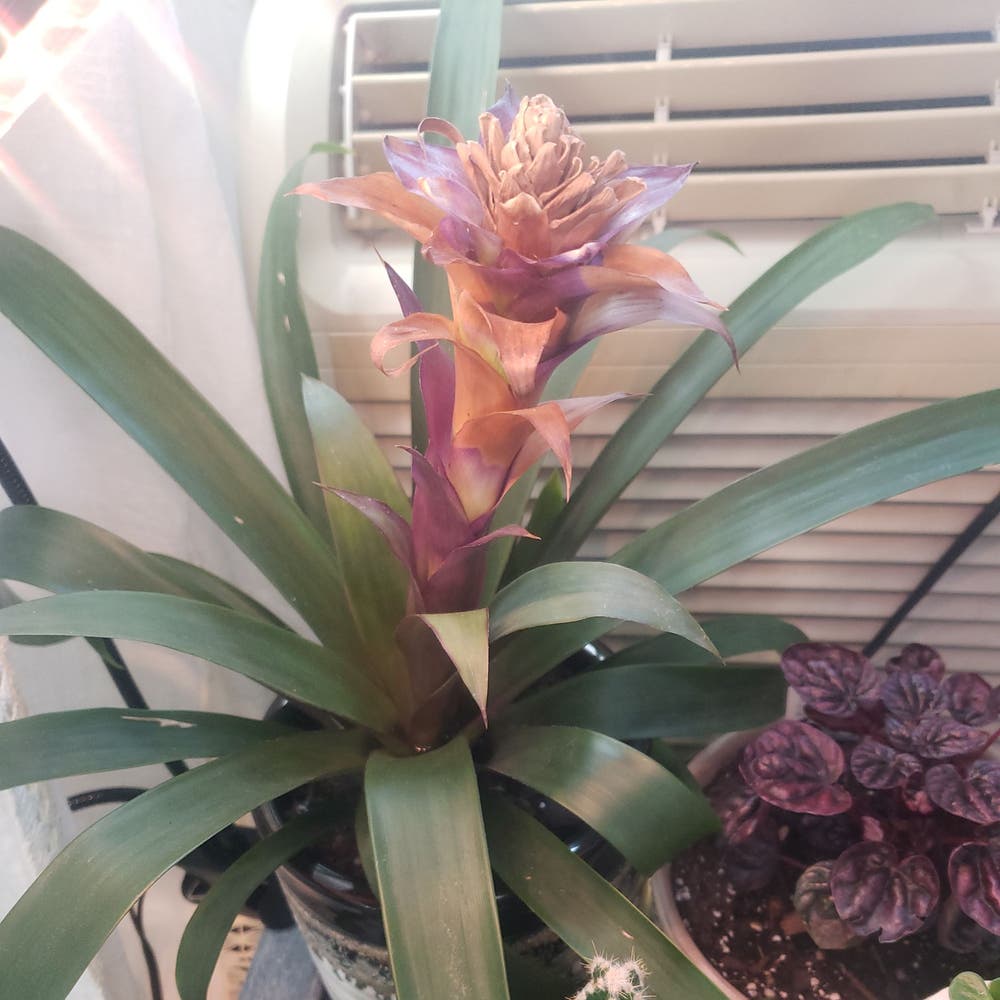
Neoregelia 'Shenba'
By the Greg Editorial Team
Jul 26, 2024•5 min read
This article was created with the help of AI so we can cover more plants for you. May contain errors. See one? Report it here.
- 🌱 Bromeliads are resilient perennials, thriving with strong roots and sturdy structures.
- 🌸 Flowering once in a lifetime, Bromeliads leave a legacy through "pups."
- 🌦️ Adaptable across climates, with care tips for longevity in different regions.
Bromeliad Perennial Basics
🌱 Defining Perennial Plants
Perennial plants are the enduring champions of the plant kingdom, thriving for multiple years and regenerating season after season. Their roots persist through dormant periods, springing back to life when conditions favor growth.
Bromeliads exemplify this perennial spirit, returning each year to grace gardens with their vibrant presence.
🌺 Bromeliad Lifecycle Overview
Bromeliads boast a lifecycle that spans several years, a testament to their perennial prowess. They bloom magnificently, often for months, and after the mother plant's bloom fades, it gives rise to pups, ensuring a legacy of growth.
This cycle of bloom and rebirth is a hallmark of Bromeliad's unique growth patterns, distinguishing them from annuals and biennials.
Perennial Growth and Flowering
🌱 Growth Rate and Patterns
Bromeliads' perennial nature dictates a growth strategy that's all about the long game. Unlike annuals that sprint through their life cycle in one season, or biennials that spread it over two, Bromeliads pace themselves. They grow slowly, investing in robust root systems and sturdy structures that endure for years.
- Perennial Bromeliads focus energy on developing resilience rather than rapid growth.
- Their growth contrasts sharply with the short-lived, fast-growing annuals and the two-phase life of biennials.
💐 Flowering Cycles
The perennial traits of Bromeliads shape their unique flowering narrative. While annuals may bloom profusely within their single year and biennials reserve their show for the second year, Bromeliads' flowering is a rare event, often occurring just once in their lifetime. However, this one-time spectacle is followed by the emergence of "pups," ensuring a legacy of blooms for years to come.
- Flowering is influenced by environmental cues like temperature and photoperiod, aligning with the most favorable conditions.
- Post-flowering, Bromeliads produce offsets, continuing their life cycle and offering a sustainable display of color.
Perennial Lifespan and Health
🌿 Longevity Factors
Bromeliads, as perennials, boast a lifespan that can impress any plant enthusiast. Here's what contributes to their longevity:
- Genetic makeup: Bromeliads are naturally geared for a long life, blooming once but leaving a lasting impression.
- Environmental conditions: Adequate light, moisture, and temperature play pivotal roles in their lifespan.
- Care practices: Proper care can extend a Bromeliad's life, making it a long-term resident in your garden.
Bromeliads typically enjoy a lifespan that ranges from several years to even decades, with proper care and favorable conditions.
🌱 Dormancy and Resilience
Bromeliads have a remarkable ability to adapt to seasonal changes, which is a testament to their resilience as perennials.
- Dormancy periods: These allow Bromeliads to conserve energy during less favorable seasons, ensuring a robust return.
- Seasonal adaptations: They adjust their growth patterns in response to the climate, showcasing their versatility.
Perennial traits like these not only contribute to the plant's survival but also to its ability to thrive year after year.
Gardening with Perennial Bromeliads
Advantages of Perennials
🎁 Bromeliads, with their perennial charm, are a gift that keeps on giving in the garden. Here's why they're such a hit:
- Reduced Replanting: Wave goodbye to the yearly planting ritual. Once settled, Bromeliads come back each season, ready to impress.
- Established Root Systems: These robust roots anchor the plant, supporting growth year after year and making Bromeliads a steadfast choice for your garden.
Climate Considerations
🌦 Bromeliads aren't just pretty faces; they're adaptable too. Here's how they fare across climates and some tips to keep them thriving:
- Climate Adaptability: From the balmy tropics to cooler zones, Bromeliads can adjust. They may need a little extra care in cold snaps, but they're generally up for the challenge.
- Gardening Tips:
- Shelter and Shade: Protect them from harsh midday sun. A cozy spot with partial shade works wonders.
- Winter Care: In frost-prone areas, consider moving potted Bromeliads indoors or provide some frost protection to keep them snug and safe.
- Drainage is Key: Ensure well-draining soil to prevent waterlogging, especially in wetter climates.
Cultivation and Care Strategies
🌱 Enhancing Perennial Vigor
Bromeliads thrive on consistency and a little foresight. Here's how to keep them robust year after year:
- Soil and Pot Selection: Choose well-draining soil and a pot that accommodates the Bromeliad's size, allowing for growth.
- Environmental Optimization: Tailor the environment to mimic their natural habitat—bright, indirect light and moderate humidity.
- Fertilization Balance: Implement a long-term fertilization plan that promotes steady growth without compromising bloom quality.
- Regular Health Checks: Like a plant therapist, monitor your Bromeliad's health, adjusting care as needed.
🌿 Long-Term Cultivation Tips
Planning for the long haul with Bromeliads pays off. Here are some actionable tips:
- Sunlight Strategy: Track seasonal changes in sunlight and adjust your Bromeliad's position to ensure adequate exposure.
- Pruning Practices: Prune selectively to encourage new growth and maintain the plant's shape.
- Propagation Planning: Use offsets from the mother plant to propagate new Bromeliads, extending your garden's vibrancy without extra cost.
- Seasonal Adaptations: Recognize dormancy cues and reduce watering accordingly to support the plant's natural cycle.
⚠️ Safety First
This content is for general information and may contain errors, omissions, or outdated details. It is not medical, veterinary advice, or an endorsement of therapeutic claims.
Always consult a qualified healthcare professional before using any plant as food, medicine, or supplement.
Never eat any plant (or feed one to pets) without confirming its identity with at least two trusted sources.
If you suspect poisoning, call Poison Control (800) 222-1222, the Pet Poison Helpline (800) 213-6680, or your local emergency service immediately.
Spotted an error? Please report it here.
Nurture your Bromeliads' legacy 🌿 with Greg's custom care plans that adapt to seasonal changes and optimize their rare blooming cycle.