💧 How Much Humidity Does My Bromeliad Need?
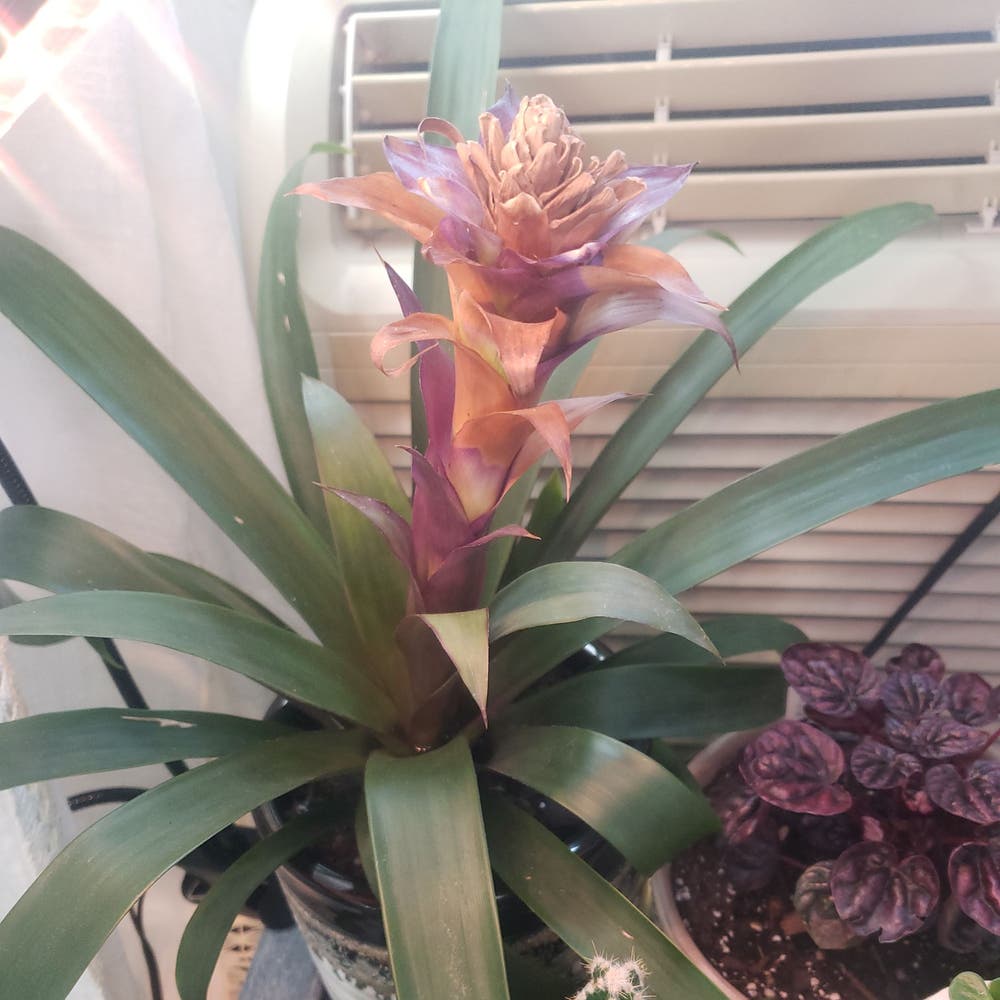
Neoregelia 'Shenba'
By the Greg Editorial Team
Jun 18, 2024•3 min read
This article was created with the help of AI so we can cover more plants for you. May contain errors. See one? Report it here.
- 50-80% humidity ideal for Bromeliads to thrive.
- 🌡️ Hygrometers track humidity; watch for crispy leaves.
- Mist, group, or humidify to boost; ventilate to reduce.
Measuring and Adjusting Humidity for Bromeliads
🌡️ Why Relative Humidity Matters for Your Bromeliad
Relative humidity (RH) is the percentage of water vapor in the air, compared to what it can hold at a certain temperature. For Bromeliads, RH is a big deal—it dictates how well they can transpire and breathe. Absolute humidity, on the other hand, is the total water vapor present, but it's relative humidity that you'll want to watch to keep your Bromeliads in tip-top shape.
🛠️ Tools of the Trade: Hygrometers and Beyond
Hygrometers are your best friends when it comes to monitoring the RH around your Bromeliads. They give you the hard numbers, which is essential for tailoring your care routine. Keep the device near your plant, but away from direct sun or drafts to avoid skewed readings. And don't just check once—fluctuations throughout the day are normal, so track the trends to get the full picture. Understanding your local humidity patterns is just as crucial, as they can vary significantly and impact your Bromeliads' well-being.

The Sweet Spot: Bromeliad's Ideal Humidity Range
⛅️ What Bromeliads Love: Finding the Perfect Humidity Balance
Bromeliads flourish in a humidity range of 50-80%. This mirrors their native rainforest conditions, where the air is as moist as a well-steamed pudding. Keep your home's humidity within this range, and your Bromeliad will be as perky as a parrot in paradise.
🚰 Signs Your Bromeliad is Thirsty for Humidity
Crispy leaves? That's your Bromeliad crying out for moisture. If the tips are browning and the plant looks more dehydrated than a raisin in the sun, it's time to up the humidity ante.
🚰 When There's Too Much of a Good Thing: High Humidity Woes
Conversely, if your plant's leaves are sporting brown, soggy spots, you've probably gone overboard. Excessive humidity can lead to rot faster than you can say 'moldy'. Keep it in check, or your Bromeliad's health will slide downhill like a skier on a snowy slope.

Tailoring Your Home's Humidity for Bromeliad Bliss
💦 Boosting Humidity: Misting, Grouping, and More
Bromeliads thrive in moist environments, but your home might not always resemble a tropical paradise. To ramp up the humidity, misting your bromeliads can offer a quick moisture fix, but it's a short-term solution. For a more sustained effect, grouping plants together can create a microclimate; they'll share moisture and boost the surrounding humidity like a mini rainforest summit.
Pebble trays are another simple yet effective method. Fill a tray with pebbles and water, ensuring the pot sits above the water to prevent root rot. The water evaporates, providing your bromeliads with a personalized humidity zone. And if you're looking for a set-it-and-forget-it solution, a humidifier can be your best friend, maintaining that sweet spot of moisture in the air.
🌬 Bringing Humidity Down a Notch
Sometimes, you can have too much of a good thing. If your bromeliads are swimming in humidity, it's time to dial it back. Ventilation is key – ensure good air circulation to prevent stagnation and potential fungal issues. If your bromeliads are starting to feel like they're in a sauna, consider using a dehumidifier in the room or move them to a less humid spot in your home. Remember, balance is everything; you want your bromeliads to be hydrated, not drowning.

⚠️ Safety First
This content is for general information and may contain errors, omissions, or outdated details. It is not medical, veterinary advice, or an endorsement of therapeutic claims.
Always consult a qualified healthcare professional before using any plant as food, medicine, or supplement.
Never eat any plant (or feed one to pets) without confirming its identity with at least two trusted sources.
If you suspect poisoning, call Poison Control (800) 222-1222, the Pet Poison Helpline (800) 213-6680, or your local emergency service immediately.
Spotted an error? Please report it here.
Keep your Bromeliad thriving with Greg's custom care plans that consider the need for that perfect humidity 🌬️, ensuring your tropical beauty never misses a beat.