Best Soil for Bromeliad
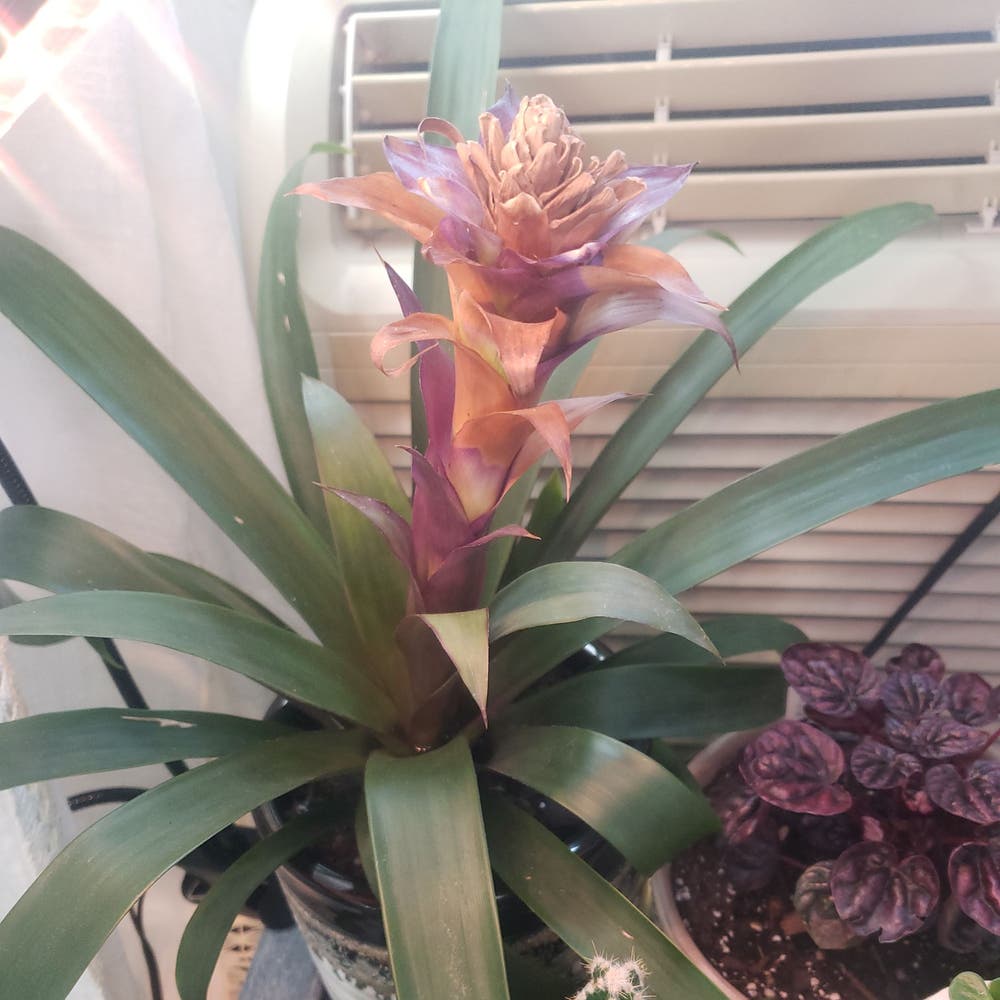
Neoregelia 'Shenba'
By the Greg Editorial Team
Jun 18, 2024•3 min read
This article was created with the help of AI so we can cover more plants for you. May contain errors. See one? Report it here.
- Mold and waterlogging signal soil distress; they require immediate attention.
- Ideal mix: 60% bark, 20% perlite, 20% peat for Bromeliad health.
- Choose pre-made mixes with high bark content and perlite; brands like Miracle-Gro.
Spotting Trouble: Signs Your Bromeliad Soil is Unhappy
🚨 Mold and Mildew Mayhem
Mold in your Bromeliad's soil is like a red flag waving frantically. It's a distress signal. You might notice a fuzzy or slimy presence, a sure sign that your plant is in trouble. Mold can suffocate roots and lead to a host of issues, including root rot.
💦 Water Woes
Waterlogged or compacted soil is another cry for help. Symptoms include leaves that are brown and limp, or roots that are dark and mushy. It's like your Bromeliad is trying to swim with weights on—not a good situation. Keep an eye out for these warning signs to prevent your plant from drowning in excess moisture.

Fixing the Soil Faux Pas
🍄 Mold Management
Mold on your Bromeliad's soil is like an uninvited guest at a garden party: unwelcome and a sign of deeper issues. To kick it to the curb, start by removing visible mold. Then, let the soil dry out a bit; overzealous watering is often the culprit. If the mold's a stubborn squatter, mix in perlite or pumice to improve aeration. This is like opening the windows to clear out a stuffy room—except for your plant's soil.
💧 Waterlogged Soil Workaround
Drenched soil is a no-no for Bromeliads. If your plant's feet are too wet, it's time for a soil intervention. Ease up on the watering, and make sure your pots have proper drainage holes. If the soil's still soggy, consider a repotting rescue with a mix that's more breathable. Think of it as giving your Bromeliad a pair of comfy, well-ventilated sneakers instead of those tight, suffocating boots.

Crafting the Perfect Bromeliad Soil Mix
💡 The Right Ingredients
Bark, perlite, and peat moss form the holy trinity for Bromeliad soil mixes. These ingredients emulate the Bromeliad's natural habitat, ensuring proper aeration and moisture balance. Pine bark chips, in particular, offer a slow release of nutrients as they break down, while also preventing soil compaction.
💡 Mixing it Up
For a mix that hits the sweet spot, aim for 60% pine bark chips for that crucial airiness. Toss in 20% perlite to keep the mix loose and well-draining, crucial for avoiding the dreaded root rot. Round it off with 20% peat-based potting mix to retain just enough moisture without waterlogging. Remember, this isn't a one-size-fits-all situation; adjust the ratios based on your climate and the Bromeliad's feedback. Too dry? Amp up the peat moss. Too soggy? It's more perlite and bark to the rescue.

When DIY Isn't Your Thing: Picking a Pre-Made Mix
🌱 What to Look For
For those who prefer a grab-and-go solution, selecting a pre-made Bromeliad potting mix is a no-brainer. Key features to scout for include:
- Bark content: A mix rich in bark chips is non-negotiable for root breathability.
- Perlite presence: This ingredient is the hero that keeps the roots from drowning.
- Low calcium: Bromeliads aren't in a love affair with calcium; avoid it.
- Organic matter: The more, the merrier for your Bromeliad's well-being.
🌿 Brand Banter
When it comes to brands, think of them as your plant's new best friends. Some noteworthy mentions that consistently perform well include:
- Miracle-Gro: Their mixes often contain the right balance of peat and perlite.
- Black Magic: A name that might evoke dark arts but promises bright Bromeliad futures.
- Oh Happy Plants: For a specialized blend that's ready to party right out of the bag.
Remember, the label is your cheat sheet—study it. If your Bromeliad sends a distress signal, don't hesitate to switch up the mix.
⚠️ Safety First
This content is for general information and may contain errors, omissions, or outdated details. It is not medical, veterinary advice, or an endorsement of therapeutic claims.
Always consult a qualified healthcare professional before using any plant as food, medicine, or supplement.
Never eat any plant (or feed one to pets) without confirming its identity with at least two trusted sources.
If you suspect poisoning, call Poison Control (800) 222-1222, the Pet Poison Helpline (800) 213-6680, or your local emergency service immediately.
Spotted an error? Please report it here.
Prevent mold and waterlogging in your Bromeliad's soil with Greg's personalized alerts 🚨 for the ideal watering schedule and soil mix recommendations.