When to Plant Your Bromeliad
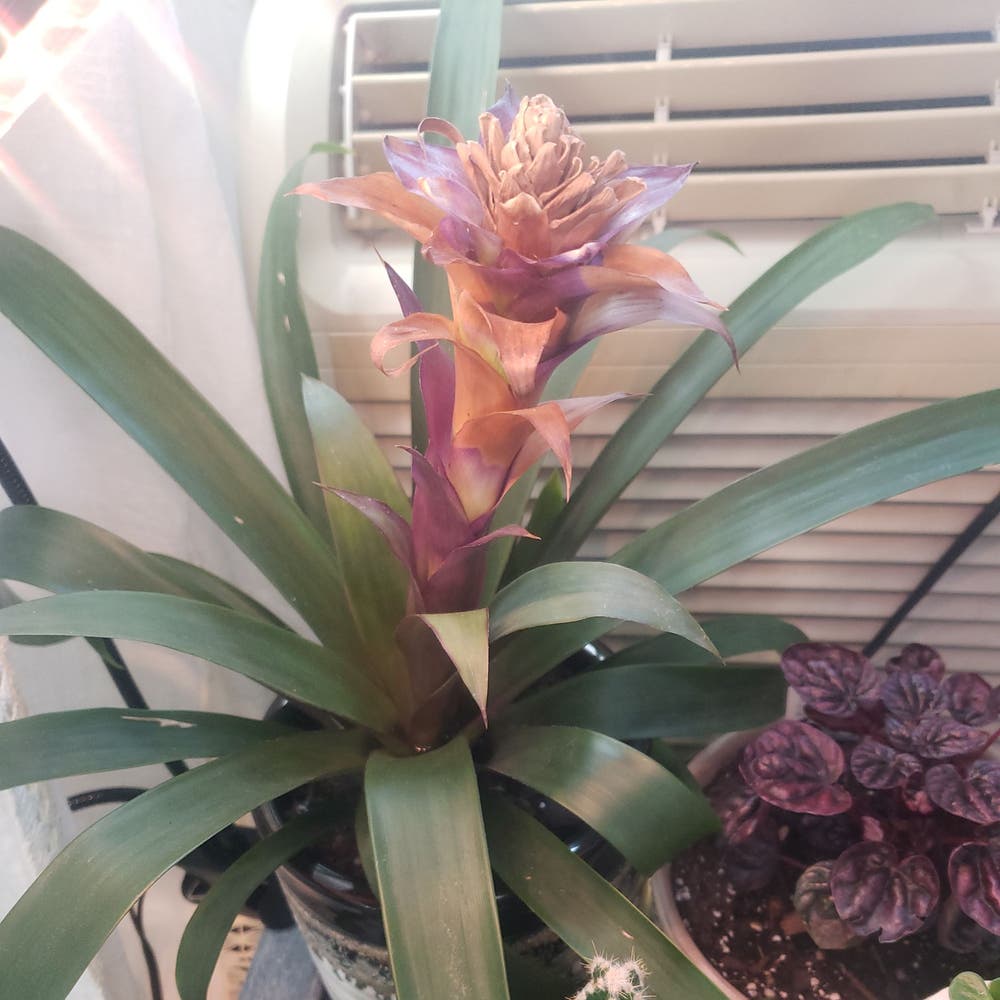
Neoregelia 'Shenba'
By the Greg Editorial Team
Jul 26, 2024•6 min read
This article was created with the help of AI so we can cover more plants for you. May contain errors. See one? Report it here.
- 🌡️ Frost dates matter: Bromeliads are frost-sensitive; check local frost dates.
- 🌱 Soil temp 60°F-80°F: Ideal for Bromeliad growth; use a thermometer.
- 📅 Regional guides help: Follow local planting calendars for Bromeliad success.
Understanding Frost Dates
❄️ Importance for Bromeliads
Bromeliads, with their tropical origins, are sensitive to cold temperatures. Frost dates are pivotal because they mark the window when the risk of frost is typically over, signaling a safe time to plant these vibrant plants outdoors. A frost can damage or kill Bromeliads, so timing your planting after the last expected frost date is essential for their survival.
- Bromeliads are susceptible to frost damage.
- Planting after the last expected frost date is crucial.
🔍 Checking Local Frost Dates
To find your local frost dates, you have several tools at your disposal:
- Online gardening resources: Websites like the Farmer’s Almanac provide average frost dates based on zip code.
- Local cooperative extension office: They offer tailored advice for your specific area.
- Historical weather data: Online databases can show past frost dates, giving you an idea of the range of possibilities.
Remember, micro-climates in your yard can alter these dates, so keep a close eye on your garden's specific conditions.
- Use online resources like the Farmer’s Almanac.
- Contact your local cooperative extension office.
- Consider historical weather data and micro-climates.
Soil Temperature and Bromeliads
Ideal Ranges for Planting 🌡️
Bromeliads flourish in soil temperatures between 60°F and 80°F (15°C - 27°C). This range ensures their roots can absorb nutrients and water efficiently, without stress.
- Aim for a minimum soil temperature of 60°F to avoid cold damage.
- Do not exceed 80°F as high temperatures can lead to heat stress.
Measuring Soil Temperature 🌡️
To ensure your Bromeliads get the best start, measuring soil temperature is a must. Here's how to do it:
- Use a simple soil thermometer to check the temperature at root depth.
- For a more tech-savvy approach, consider a 4-in-1 soil probe that can also measure moisture, pH, and light.
Remember, consistent monitoring helps you adjust care and prevent temperature-related issues.
Day Length Considerations
🌞 Bromeliad Growth Cycle
Bromeliads, like many plants, respond to the length of daylight they receive. This phenomenon influences their growth stages and flowering times. While not all plants are sensitive to day length, Bromeliads can be coaxed into blooming by manipulating light exposure, especially when grown indoors.
- Short-day plants require longer nights to trigger flowering.
- Long-day plants need extended daylight hours to bloom.
- Day-neutral plants flower regardless of day length, but may perform better with longer days.
💡 Planning Planting Around Day Length
Timing your Bromeliad planting with day length in mind can enhance growth and blooming. Here are a few tips:
- Start seedlings indoors with artificial lights if outdoor daylight is insufficient.
- Provide 14 to 16 hours of fluorescent light per day to maintain healthy growth.
- Rotate plants regularly to ensure even exposure as the sun's position changes throughout the year.
- In regions with varying day lengths, adjust planting times to ensure your Bromeliads receive optimal light during critical growth phases.
- Use grow lights to simulate longer days if natural light conditions fall short, especially for inducing blooms.
Regional Planting Guide
🌞 Warm Climates (e.g., Florida, California)
Warm climates offer a generous growing season for Bromeliads, with minimal risk of frost and a long period of warm temperatures. Here's what to consider:
- Planting Time: In regions like South Florida and Southern California, you can generally plant Bromeliads year-round. However, the best time is after any threat of the rare cool spell has passed, typically late winter to early spring.
- Microclimates: Take advantage of warmer pockets in your garden. These can provide the extra heat needed during cooler months.
- Humidity and Rainfall: Adjust your planting to account for high humidity and rainfall, which can affect soil moisture and nutrient levels.
🌥️ Temperate Climates (e.g., Texas, Ohio)
Temperate zones require a bit more planning for Bromeliad planting:
- Planting Time: Aim for late spring, after the last frost date, to early summer. This allows the soil to warm up sufficiently.
- Day Length: Longer days in late spring signal a good time for Bromeliads to start their growth cycle.
- Weather Patterns: Watch for unexpected cold snaps or prolonged rain, which can delay planting times.
❄️ Cooler Climates (e.g., New York, Colorado)
Cooler climates present unique challenges for growing Bromeliads:
- Planting Time: Wait until late spring or early summer, when the soil has thoroughly warmed and there's no risk of frost.
- Indoor Start: In these regions, consider starting Bromeliads indoors to give them a head start before transplanting outside.
- Microclimates: Use microclimates to protect Bromeliads from cooler temperatures, such as planting near a south-facing wall for added warmth.
Seed Starting and Transplanting
Starting Bromeliads Indoors
Starting your Bromeliad seeds indoors is a proactive step to ensure your plants are robust enough to thrive once moved outdoors. Here's how to time it right:
- Warm Climates (e.g., Florida, California): Begin in late winter, as these regions have an earlier start to the growing season.
- Temperate Climates (e.g., Texas, Ohio): Wait until early spring to start seeds indoors, aligning with the local frost dates.
- Cooler Climates (e.g., New York, Colorado): Start seeds in mid-spring or use a heated indoor environment if starting earlier.
Remember, Bromeliads can take their time to mature, so patience is key. They require consistent temperature and moisture, so monitor these conditions closely.
Transplanting to the Garden
Once your Bromeliad seedlings are sturdy and the threat of frost has dissipated, it's time to transition them outdoors:
- Warm Climates: Transplant as soon as there's no risk of a sudden temperature drop, typically in late spring.
- Temperate and Cooler Climates: Wait until late spring or early summer when both soil and air temperatures have warmed sufficiently.
Acclimatize your seedlings gradually to outdoor conditions to prevent shock. This process, known as hardening off, typically takes about a week. During this time, provide protection from strong winds and intense midday sun.
Quick Reference: Regional Planting Calendar
For those ready to dive into the world of Bromeliads, timing is everything. Here's your go-to guide for when to plant these vibrant plants, broken down by region.
🌴 Warm Climates (e.g., Florida, California)
- Florida: All year, with a focus on winter to spring for flowering varieties.
- California: Planting is optimal in spring and fall; coastal areas can plant year-round.
🌤️ Temperate Climates (e.g., Texas, Ohio)
- Texas: Late spring, after the last frost date, through early summer.
- Ohio: Plant in late spring, ensuring soil temperatures are consistently warm.
❄️ Cooler Climates (e.g., New York, Colorado)
- New York: Mid to late spring, post-frost, is ideal for planting.
- Colorado: Aim for late spring to early summer, considering elevation and microclimates.
Remember, these are general guidelines. Always check local frost dates and monitor soil temperature for the best results. Starting seeds indoors can give you a head start in cooler regions, allowing for transplanting once conditions are favorable.
⚠️ Safety First
This content is for general information and may contain errors, omissions, or outdated details. It is not medical, veterinary advice, or an endorsement of therapeutic claims.
Always consult a qualified healthcare professional before using any plant as food, medicine, or supplement.
Never eat any plant (or feed one to pets) without confirming its identity with at least two trusted sources.
If you suspect poisoning, call Poison Control (800) 222-1222, the Pet Poison Helpline (800) 213-6680, or your local emergency service immediately.
Spotted an error? Please report it here.
Plant your Bromeliads flawlessly 🌱 with Greg's personalized reminders for the perfect soil temperature and frost-free dates.