10 Benefits of Having a Bromeliad
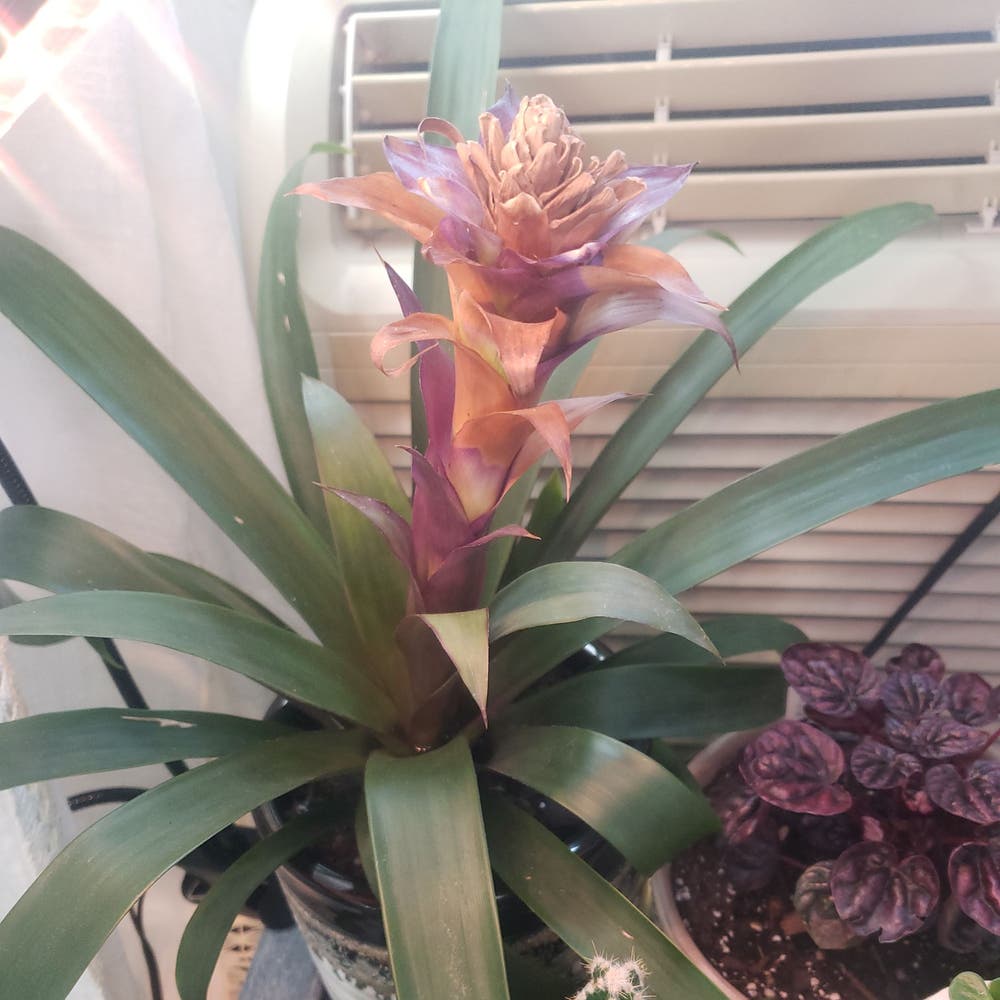
Neoregelia 'Shenba'
By the Greg Editorial Team
Jun 14, 2024•5 min read
This article was created with the help of AI so we can cover more plants for you. May contain errors. See one? Report it here.
- Striking colors and enduring blooms make Bromeliads a design delight.
- Low maintenance and air purifying, they're perfect for busy plant lovers.
- Versatile and wildlife-friendly, they bring nature's charm indoors.
A Splash of Tropical Elegance
🌺 Striking Aesthetic Appeal
Bromeliads are the showstoppers of the plant world, flaunting a spectrum of colors, shapes, and patterns that can transform any space. Their silver-patterned leaves and vibrant blooms range from pink to deep green, making them a living centerpiece in homes and gardens.
🌼 Long Bloom Period
These tropical treasures offer an enduring display of beauty with a bloom period that outlasts many other plants. The long-lasting flowers of Bromeliads are like a persistent bouquet, providing a splash of color that keeps your living space feeling alive and fresh for months.
Easygoing Companions
🌵 Low Maintenance and Unique Growth Habits
Bromeliads are the chill housemates of the plant world, thriving on a bit of benign neglect. Their resilience across various environments makes them ideal for the busy or forgetful plant enthusiast.
Trichomes, tiny hair-like structures, arm these plants against harsh sunlight and assist in moisture absorption, making them drought-tolerant heroes. This unique adaptation means they're more forgiving if you skip a watering or two.
💧 Water-wise Wonders: Their Drought-tolerant Secret
Bromeliads have a rosette of leaves that ingeniously collects water, serving as a self-sustaining reservoir. Watering the central cup, or "vase," rather than the soil, is the key to keeping them hydrated without overdoing it.
In warmer months, watering every one to two weeks suffices, while in cooler times, every two to three weeks will do. Just remember, the softer and greener the leaves, the thirstier the plant. But don't sweat it—these plants are as laid-back about their drinks as a guest at a pool party.
Health and Harmony in Your Home
💨 Air Purification and Stress-Relief
Breathe easy: Bromeliads are like a swiss army knife for indoor air quality. They tackle VOCs—nasty compounds from paints to printers—with gusto. Their spiky leaves and vibrant flowers aren't just for show; they're busy stripping pollutants like formaldehyde and xylene from your breathing space.
Green therapy: Caring for a Bromeliad is stress relief disguised as gardening. It's a hands-on mindfulness exercise, keeping anxiety at bay. Studies back this up, showing a noticeable dip in stress levels when these green companions are around. It's not just about the aesthetic; it's about cultivating your own pocket of peace.
🌱 Versatile Growing Options
Terrariums to vertical gardens: Bromeliads don't demand much. They're happy to grow just about anywhere, from glass cases to green walls. Their soilless cultivation joy is real. No dirt under the fingernails unless you want it there.
The joy of soilless cultivation: These plants are the epitome of 'go with the flow.' They'll thrive in a pot, attached to a log, or nestled in a shell—whatever floats your boat. They're not picky, and that's part of their charm.
Versatility in Your Living Space
🌿 Versatile Growing Options
Bromeliads aren't just pretty faces; they're shape-shifters in the plant world. Whether you're crafting a lush terrarium or scaling the heights with a vertical garden, these tropical charmers are game.
Terrariums are the perfect stage for Bromeliads, showcasing their vibrant colors and unique forms in miniature ecosystems. Think of them as living art pieces, small enough to fit on a shelf yet bold enough to steal the spotlight.
Vertical gardens? Bromeliads thrive in them. Their knack for growing with minimal soil makes them ideal for these gravity-defying displays. They're like the acrobats of the plant world, comfortable in lofty spaces where other plants might balk.
🌱 The Joy of Soilless Cultivation
Soil is so last season for some Bromeliads. Many are epiphytes, meaning they're perfectly happy latching onto a piece of driftwood or nestling in a mossy nook. It's the ultimate freestyle gardening—no dirt required.
This soil-free lifestyle isn't just a neat party trick; it's a nod to their adaptability and a boon for those with more enthusiasm than gardening space. Plus, it's a water-wise move, as these Bromeliads often prefer a misting to a drenching.
In the realm of creative plant parenting, Bromeliads are the low-maintenance, high-impact option that keeps on giving, whether you're a seasoned green thumb or a hopeful horticulturist with a history of plant-related mishaps.
More Than Just a Pretty Plant
🦋 Wildlife Attraction and Edible Delights
Bromeliads are wildlife magnets. Their vibrant flowers don't just catch our eyes; they're also irresistible to birds and butterflies. These plants offer a dual benefit: they enhance your garden's aesthetics while supporting local biodiversity.
Pineapples, a well-known Bromeliad family member, bring a taste of the tropics to your table. They're not just for pina coladas or Hawaiian pizza; they're a testament to the Bromeliad family's edible offerings. Who wouldn't want a plant that decorates your space and fills your stomach?
While some Bromeliads may have spiny defenses, they're generally not out to get you. These features are more of a "keep off the grass" sign for critters, ensuring your Bromeliads remain unmunched.
Remember, not all Bromeliads are edible, and some can be toxic if ingested. Always do your homework before you decide to nibble on your greenery. Safety first, even in the pursuit of a tropical snack.
⚠️ Safety First
This content is for general information and may contain errors, omissions, or outdated details. It is not medical, veterinary advice, or an endorsement of therapeutic claims.
Always consult a qualified healthcare professional before using any plant as food, medicine, or supplement.
Never eat any plant (or feed one to pets) without confirming its identity with at least two trusted sources.
If you suspect poisoning, call Poison Control (800) 222-1222, the Pet Poison Helpline (800) 213-6680, or your local emergency service immediately.
Spotted an error? Please report it here.
Keep your bromeliads thriving 🌟 with Greg's custom watering plans tailored to their unique central cup needs, ensuring months of stunning color.