8 Essential Outdoor Bromeliad Care Routines
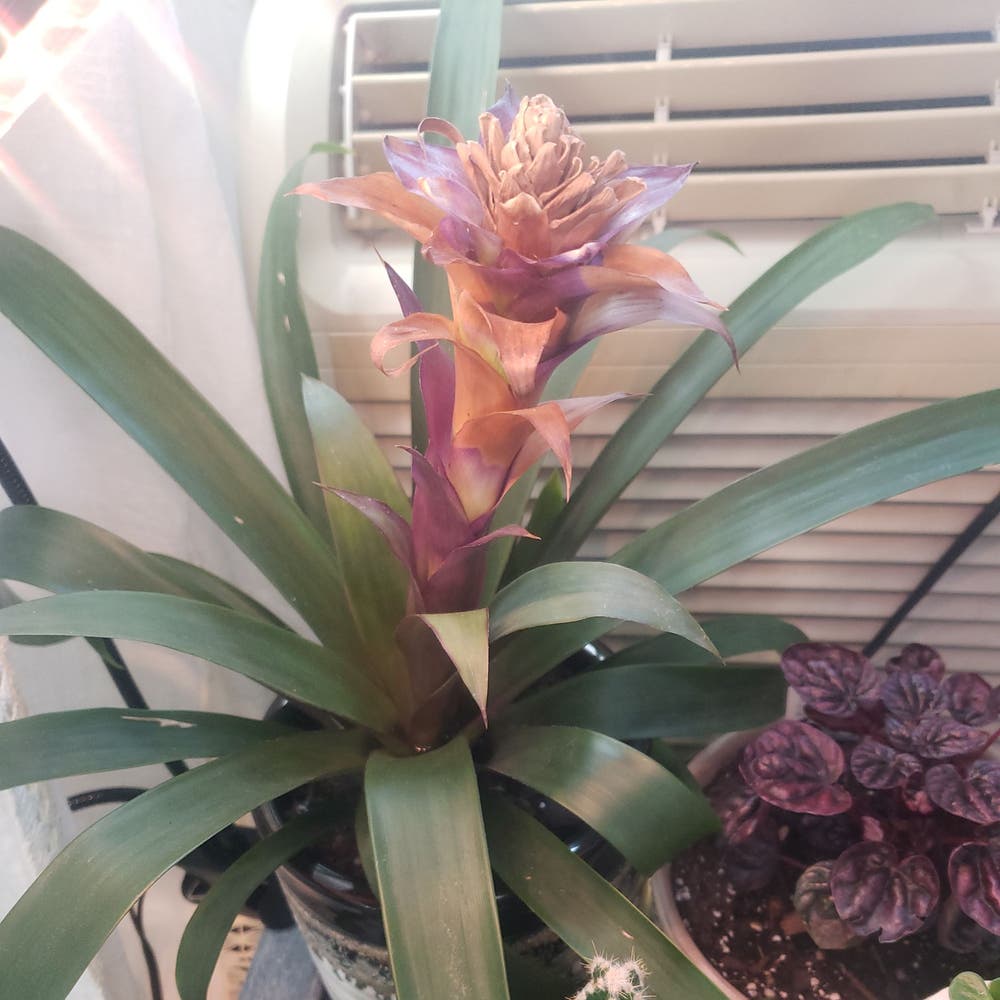
Neoregelia 'Shenba'
By the Greg Editorial Team
Jul 26, 2024•5 min read
This article was created with the help of AI so we can cover more plants for you. May contain errors. See one? Report it here.
- 🌤️ Bright, indirect light is best; use shade to prevent leaf burn.
- 💧 Water the central cup carefully to avoid root rot.
- 🌱 Minimal fertilization needed; apply sparingly during growth season.
Optimal Sunlight
Bromeliads bask in bright, indirect light, but direct sunlight can be their nemesis. Here's how to strike the perfect balance:
- Position bromeliads to receive gentle morning sun, safeguarding them from harsh afternoon rays.
- Use natural shade from trees or install shade cloth to prevent leaf burn, especially during peak sun hours.
Creating a sun-smart habitat for your bromeliads is key. Employ these strategies:
- Observe leaf color and firmness for signs of overexposure, such as bleaching or wilting.
- Gradually acclimate plants to brighter spots to avoid shock, and retreat to shadier locales if signs of scorch appear.
Bromeliad Watering
Bromeliads boast a central cup that acts as a natural reservoir for water. This distinctive feature requires a specific approach to hydration. Here's how to get it right:
- Fill the central cup with water, ensuring it's refreshed every few weeks to prevent stagnation and bacterial growth.
- For species that prefer soil watering, wait until the top inch of soil dries out before re-watering to avoid over-saturation and root rot.
Adjusting watering habits to accommodate seasonal rainfall is also essential for outdoor Bromeliads.
- During wet seasons, reduce the frequency of watering to compensate for natural precipitation.
- In drier months, monitor the central cup more closely, topping it up as needed to maintain adequate moisture levels.
Minimal Fertilization
Bromeliads are not big eaters when it comes to fertilizer. They thrive even with minimal nutritional supplements, thanks to their efficient use of resources.
- Understand that Bromeliads have low fertilizer needs. Over-fertilizing can be more harmful than not fertilizing at all.
- Use a balanced, water-soluble fertilizer, preferably one formulated for bromeliads or orchids.
- Dilute the fertilizer to half or quarter strength to prevent nutrient burn.
Best practices for feeding these low-maintenance plants are straightforward.
- Apply fertilizer sparingly, targeting the growing season—spring and summer.
- Feed the plant directly into the central cup, avoiding the soil to mimic their natural feeding habits.
- During the plant's dormant period in fall and winter, hold back on fertilizing to avoid stressing the plant.
Remember, with Bromeliads, less is often more. Keep an eye on your plant's response to feeding and adjust accordingly.
Planting Decisions
When it comes to outdoor Bromeliad care, choosing between container planting and in-ground planting is pivotal. Here's what to consider for each option:
Container Planting Benefits
- Soil Control: Containers allow for precise soil management, ensuring optimal drainage and nutrient balance.
- Flexibility: Easily move plants to manage sunlight exposure and protect from extreme weather.
- Size and Scale: Select a container that complements your space and Bromeliad size for aesthetic harmony.
- Mobility: Containers simplify irrigation and enable relocation to suit changing environmental conditions.
🌱 In-Ground Planting Considerations
- Root Growth: In-ground planting offers more space for roots, potentially yielding a larger plant.
- Permanent Position: Once planted, Bromeliads become a fixed feature in your garden landscape.
- Weed Management: Vigilant care is needed to prevent nutrient competition from surrounding flora.
- Natural Look: In-ground Bromeliads can contribute to a more integrated and natural garden aesthetic.
Weather Protection
Outdoor Bromeliads thrive with a bit of foresight into weather protection. Here's how to shield your plants from nature's extremes.
🌦️ Implementing Weather Protection Measures
- Shade Cloth: Use it to defend against intense sunlight, especially during peak hours.
- Insulation: Employ frost cloths or blankets during cold snaps to trap heat.
- Windbreaks: Set up barriers to mitigate the effects of strong winds that can dehydrate or damage plants.
🌪️ Adapting to Extreme Weather Challenges
- Monitoring: Keep an eye on weather forecasts to anticipate and prepare for sudden changes.
- Elevation: Elevate pots or garden beds to prevent waterlogging during heavy rains.
- Acclimatization: Gradually expose your Bromeliads to seasonal shifts to build resilience.
Outdoor Pest Control
Outdoor pests can be a real headache for Bromeliad enthusiasts. Identifying these unwelcome visitors is the first step in keeping your plants healthy.
Identifying Pests:
- Look for signs of chewing, discoloration, or sticky residues on leaves.
- Common pests include aphids, scale insects, and spider mites.
Managing Pests:
- Remove larger insects by hand or with a strong water spray.
- Introduce beneficial predators like ladybugs to your garden.
- Apply neem oil or insecticidal soap for a more natural approach.
Preventing diseases in Bromeliads is equally crucial for their outdoor success.
- 🌿 Preventing Diseases:
- Ensure good air circulation around plants to reduce fungal risks.
- Keep the garden clean of debris where pests might harbor.
- Prune damaged or diseased foliage promptly to prevent spread.
By staying vigilant and adopting these proactive measures, you can protect your Bromeliads from the most common outdoor pests and diseases.
Seasonal Adjustments
Bromeliads are adaptable, but they flourish when their care aligns with the rhythm of the seasons. Here's how to keep them thriving all year round:
Spring and Summer:
- Increase watering frequency to compensate for higher evaporation rates.
- Monitor light exposure; provide shade if the summer sun is too intense.
- Stake taller varieties in windy areas to prevent damage.
Fall and Winter:
- Reduce watering as growth slows and temperatures drop.
- Move plants indoors or provide frost protection in cold climates.
- Clean containers thoroughly to prevent disease in the next growing season.
🌍 Climate Zone-Specific Care
Tailoring your Bromeliad care to your local climate zone is crucial:
Warm Regions:
- Utilize the flexibility of container planting to shift plants for optimal light and temperature.
- Prune after the main flowering period to encourage new growth.
Cooler Climates:
- Focus on frost protection and maintaining stable temperatures.
- Adjust pruning schedules based on plant cues rather than fixed dates.
Humid Areas:
- Emphasize well-draining soil mixes with bark and perlite to prevent root rot.
- Be vigilant about moisture levels during rainy seasons.
Remember, it's about observing your Bromeliads and responding to their needs as the environment changes.
⚠️ Safety First
This content is for general information and may contain errors, omissions, or outdated details. It is not medical, veterinary advice, or an endorsement of therapeutic claims.
Always consult a qualified healthcare professional before using any plant as food, medicine, or supplement.
Never eat any plant (or feed one to pets) without confirming its identity with at least two trusted sources.
If you suspect poisoning, call Poison Control (800) 222-1222, the Pet Poison Helpline (800) 213-6680, or your local emergency service immediately.
Spotted an error? Please report it here.
Keep your outdoor Bromeliads thriving 🌿 with Greg's personalized care reminders, ensuring they get just the right amount of water and shade, no matter the weather!