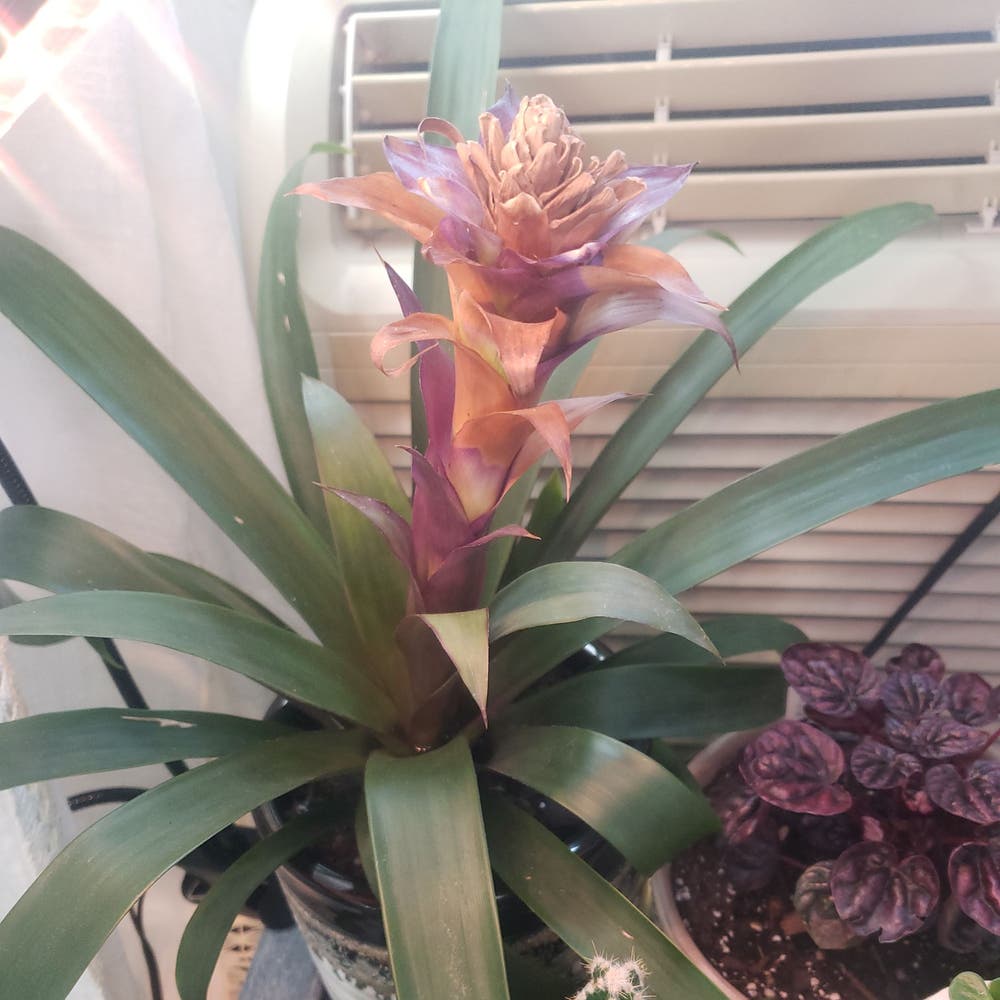
4 Best Companion Plants for Bromeliad
Neoregelia 'Shenba'
By the Greg Editorial Team
Jul 26, 2024•3 min read
This article was created with the help of AI so we can cover more plants for you. May contain errors. See one? Report it here.
- 🌱 Neoregelia and Tillandsias are low-maintenance, pest-repelling Bromeliad buddies.
- 🌸 Orchids and Ferns share Bromeliads' love for humidity and enhance garden aesthetics.
- 🚫 Avoid resource-hogging plants to prevent competition and pest issues for Bromeliads.
Companion Planting Benefits
Companion planting is a strategic approach that can significantly enhance the health and vibrancy of Bromeliads. By selecting the right neighbors for these tropical beauties, you not only boost their growth but also foster a thriving garden ecosystem.
🌿 Enhancing Bromeliad Health
- Certain plants can create a more favorable environment for Bromeliads, offering shade or humidity that mimics their native habitats.
- Symbiotic relationships with other flora can lead to improved nutrient uptake and better overall plant vigor.
🐜 Natural Pest Management
- Some companion plants act as natural pest deterrents, reducing the need for chemical interventions.
- By attracting beneficial insects, these plant allies help keep pest populations in check, safeguarding your Bromeliads.
🎨 Aesthetic and Diversity
- Companion plants contribute to a visually stunning garden, complementing the exotic look of Bromeliads with varied textures and colors.
- A diverse planting scheme not only pleases the eye but also promotes a balanced garden ecosystem, where each species plays a role in supporting the others.
Ideal Bromeliad Companions
Bromeliads aren't just stunning on their own; they play well with others too. Here's who they vibe with:
Neoregelia Synergy 🌿
- Neoregelia plants enhance the visual appeal of Bromeliads with their striking foliage.
- They share a love for humidity, making them perfect moisture buddies. Plus, their water-holding abilities can deter pests.
Tillandsia Pairing 🌱
- Tillandsias, or air plants, require similar care to Bromeliads, making them low-maintenance pals.
- Their presence can help control pests, thanks to their shared repellent properties.
Orchid Companionship 🌺
- Orchids attract pollinators, which is great for the whole garden, and they're totally compatible with Bromeliads.
- Both thrive as epiphytes, living in harmony without hogging each other's space.
Ferns as Allies 🌿
- Ferns and Bromeliads dig the same kind of environment, so they're like two peas in a pod.
- The lush, soft fern foliage contrasts with Bromeliad's bolder texture, and together they can create a mini-humidity haven.
Incompatible Plants
🌿 Resource Competition
Bromeliads flourish with medium to bright indirect light and require a delicate balance of nutrients and water. However, not all plants play nice. Some neighbors can be resource hogs, especially those with extensive root systems like trees and large shrubs. They can outcompete Bromeliads for the essentials, leading to stunted growth or even plant demise. Here are plants to keep at a distance:
- Large trees and shrubs
- Fast-growing ground covers
- Plants requiring heavy fertilization
🦟 Pest Attraction Issues
While Bromeliads are relatively pest-resistant, they can fall victim to infestations when planted near certain other species. Some plants act as magnets for pests, which can then hop over to your Bromeliads. To protect your Bromeliads, steer clear of these pest-friendly plants:
- Plants prone to botrytis and other fungal diseases, like African violets and fuchsias
- Species that attract sap-sucking insects, such as aphids and mealybugs
- Vegetation that requires frequent pesticide use, potentially harming the delicate balance of a Bromeliad's ecosystem
⚠️ Safety First
This content is for general information and may contain errors, omissions, or outdated details. It is not medical, veterinary advice, or an endorsement of therapeutic claims.
Always consult a qualified healthcare professional before using any plant as food, medicine, or supplement.
Never eat any plant (or feed one to pets) without confirming its identity with at least two trusted sources.
If you suspect poisoning, call Poison Control (800) 222-1222, the Pet Poison Helpline (800) 213-6680, or your local emergency service immediately.
Spotted an error? Please report it here.
Elevate your Bromeliads' environment with companion 🌿 insights from Greg, ensuring they thrive alongside the best plant buddies.