Why Is My Bromeliad Dropping Leaves?
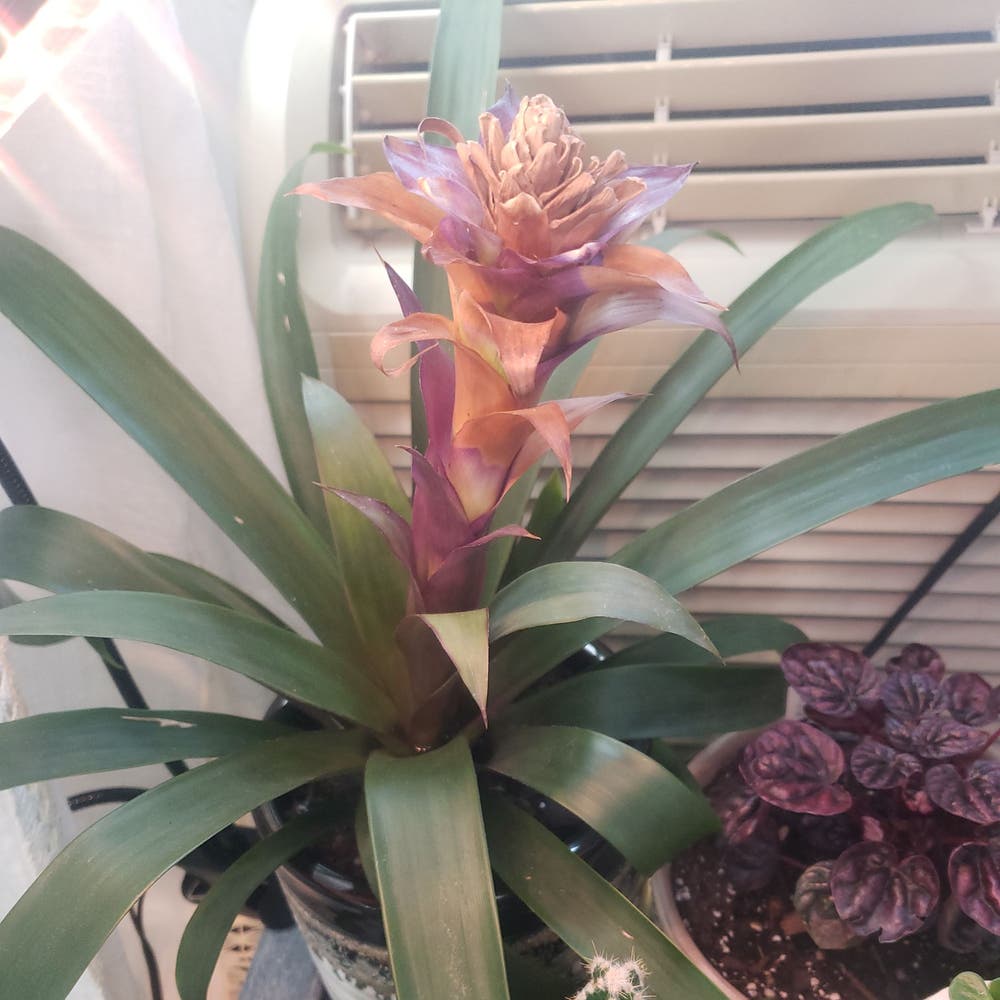
Neoregelia 'Shenba'
By the Greg Editorial Team
Jun 18, 2024•4 min read
This article was created with the help of AI so we can cover more plants for you. May contain errors. See one? Report it here.
- Overwatering and underwatering both lead to leaf drop; check soil moisture.
- Light and temperature extremes affect leaf health; find the sweet spot.
- Pests and diseases can cause leaf drop; use control measures and treat promptly.
When Leaves Fall: Pinpointing the Culprits
🌊 Too Much Love: Overwatering Woes
Soggy soil is a telltale sign you're drowning your Bromeliad in affection. Overwatering can lead to a root-bound existence, where roots are as cramped as commuters on a rush-hour subway. This waterlogged environment invites root rot, turning your plant's foundation into a mushy mess and causing leaves to drop like flies.
🏜️ Thirsty Roots: The Perils of Underwatering
Conversely, underwatering leaves your Bromeliad thirstier than a marathon runner without a water station. Dry soil is a red flag, signaling a need for hydration. When your plant's roots are as parched as a desert, leaves will fall as it desperately conserves water.
🌞 Light and Shadow: Finding the Sweet Spot
Too much light scorches leaves, while too little leaves them languishing. Aim for a Goldilocks zone of brightness, where leaves neither bake nor fade. Leaf scorch or a general droopiness can indicate your Bromeliad is crying out for a lighting change.
❄️ Hot and Cold: Temperature's Role in Leaf Health
Bromeliads aren't fans of extreme temperature swings. Too hot, and leaves drop like they're in a sauna; too cold, and they'll fall off as if frostbitten. Watch for temperature stress symptoms like wilting or brown edges, which are your cue to adjust your plant's thermostat.

Unwanted Guests: Pests and Diseases
🐛 Battling Bugs: Pest Infestation Signs
Bromeliads are not immune to the scourge of pests. Spider mites, aphids, and mealybugs often top the list of usual suspects. These tiny invaders can cause your plant's leaves to drop as a distress signal.
Look for webbing or a cottony residue, which are telltale signs of these pests. A close inspection might reveal them hiding under leaves or within the plant's crevices. Immediate action is required to halt their damage.
🍄 Fungal Foes: Disease-Induced Leaf Drop
Fungal diseases are stealthy attackers that can lead to leaf drop. Yellow spots or limp leaves are often the first signs of trouble. These symptoms suggest that your bromeliad is under fungal siege.
Preventative measures include ensuring good air circulation and avoiding waterlogged conditions. If an infection is spotted, it's critical to identify and treat it swiftly to prevent further damage.

The Rescue Plan: Tailored Solutions for Leaf Drop
💧 Watering Wisdom: Balancing Moisture Levels
Watering is a delicate dance, and your Bromeliad is a picky partner. To prevent leaf drop, water only when the soil feels dry to the touch. If you're second-guessing your finger's verdict, a moisture meter can be your guide. Overwatering invites root rot, while underwatering leaves your plant parched—both are ticketed invitations to the leaf-drop party.
☀️ Let There Be Light: Adjusting Light Exposure
Your Bromeliad craves that Goldilocks zone of lighting—not too much, not too little. Aim for bright, indirect sunlight. If your plant's leaves are fading or burning, it's a cry for help. Adjust its spot to avoid the harsh midday sun, or consider using sheer curtains as a shield.
🌡️ Climate Control: Stabilizing Temperature and Humidity
Temperature swings are drama your Bromeliad can do without. Keep it away from drafty windows and out of the path of heating or cooling vents. If your air is drier than a stand-up comedian's wit, mist the leaves or employ a humidifier to up the moisture ante.
🐜 Pest Patrol: Implementing Effective Control Measures
Pests are the uninvited guests at your plant's dinner party. Be vigilant for signs of infestation—sticky residue or tiny moving dots are dead giveaways. Introduce natural predators, like ladybugs, or use insecticidal soap for a gentle yet firm eviction notice.
🦠 Disease Defense: Preventative Measures and Treatments
Fungal diseases and your Bromeliad are not friends. Keep leaves dry during watering to avoid unwanted spores from settling in. If disease does strike, prune affected areas with sterilized scissors. Remember, prevention is better than cure—keep the air circulation good and the cleanliness high to stop problems before they start.

⚠️ Safety First
This content is for general information and may contain errors, omissions, or outdated details. It is not medical, veterinary advice, or an endorsement of therapeutic claims.
Always consult a qualified healthcare professional before using any plant as food, medicine, or supplement.
Never eat any plant (or feed one to pets) without confirming its identity with at least two trusted sources.
If you suspect poisoning, call Poison Control (800) 222-1222, the Pet Poison Helpline (800) 213-6680, or your local emergency service immediately.
Spotted an error? Please report it here.
Prevent your Bromeliad's leaves from dropping by using Greg to create a custom care plan 🌡️, ensuring the perfect balance of water, light, and temperature for your plant's needs.