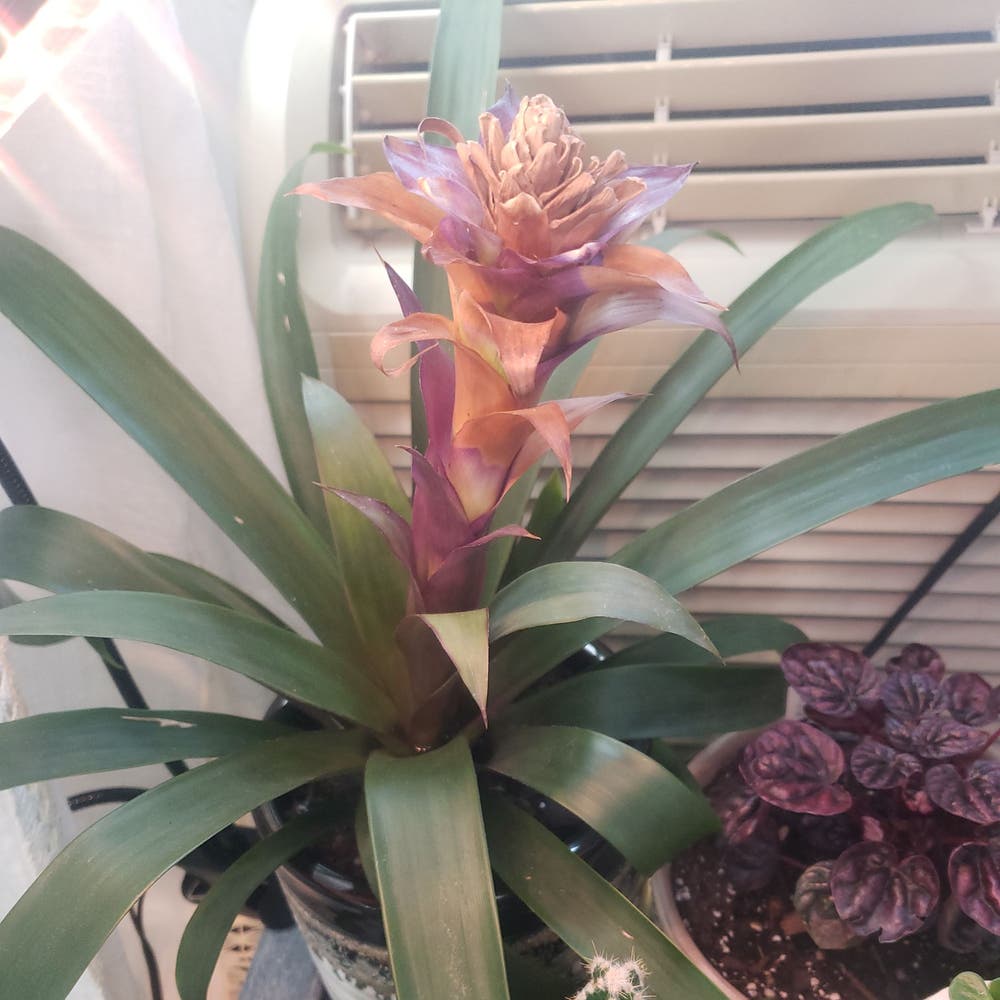
Optimal Hardiness Zones for Bromeliad: 10a-11b
Neoregelia 'Shenba'
By the Greg Editorial Team
Jul 26, 2024•4 min read
This article was created with the help of AI so we can cover more plants for you. May contain errors. See one? Report it here.
- 🌡️ USDA zones 10a-11b ideal for Bromeliad growth, avoiding winter damage.
- 🌴 Florida & California's climates perfect for Bromeliads; microclimates can help elsewhere.
- 🏙️ Urban heat islands may extend Bromeliads' growing range beyond typical zones.
Bromeliad Hardiness Zones
🌡️ Understanding USDA Zones
USDA zones are essential for gardeners; they're like a plant's winter survival guide. For Bromeliads, these zones pinpoint where they'll thrive without turning into popsicles.
🌎 Bromeliad's Zone Range
Bromeliads bask in the warmth of zones 10a to 11b. Here's the breakdown:
- Zone 10a: 30 to 35 °F (-1.1 to 1.7 °C)
- Zone 10b: 35 to 40 °F (1.7 to 4.4 °C)
- Zone 11a: 40 to 45 °F (4.4 to 7.2 °C)
- Zone 11b: 45 to 50 °F (7.2 to 10 °C)
These are the sweet spots where Bromeliads can soak up the sun without a winter worry in the world.
Temperature Tolerance
🥶 Bromeliad Cold Tolerance
Bromeliads showcase a spectrum of cold tolerance, reflecting their diverse habitats. They generally prefer staying above the frost line, but let's get specific:
- Aechmeas and Neoregelias: Tough enough to handle temperatures down to 32°F.
- Billbergias: Mostly frost-tolerant, enduring lows in the 30s.
- Cryptanthus: These "Earth Stars" need a warmer blanket, best above 45°F.
- Guzmanias: Tropical at heart, they demand temperatures above 45°F.
First and last frost dates are crucial bookmarks in a Bromeliad's calendar. They signal the start and end of the safe outdoor growing season. If Jack Frost comes knocking early or overstays his welcome, these plants might suffer.
🌞 Bromeliad Heat Tolerance
When the mercury rises, Bromeliads can take the heat, but with caveats:
- Optimal Range: They bask in daytime highs of 70-90°F and nighttime lows of 50-70°F.
- Humidity Harmony: High temps call for increased humidity to keep them comfy.
- Airflow is Key: Good circulation helps when it's hot and sticky, preventing disease and promoting growth.
Heatwaves demand action—think relocation to a shadier spot or ensuring adequate moisture. Signs of heat stress include crispy leaf tips and a general look of discomfort. Remember, these plants aren't just surviving; they're aiming to thrive.
Ideal Growing Regions
🌴 Florida's Favorable Conditions
Florida's subtropical climate is a paradise for Bromeliads. The state's consistent warmth and high humidity mirror the conditions of the Bromeliad's native habitat. Here's why Florida is a Bromeliad haven:
- High humidity levels, which Bromeliads love, are a staple throughout the state.
- The temperature rarely dips to levels that would threaten these tropical plants.
- Microclimates within Florida, such as those under a palm canopy, offer additional protection and ideal growing conditions.
🌊 California's Coastal Climates
California's coastal areas present another prime location for Bromeliads. The Mediterranean-like climate along the coast provides a stable environment with benefits such as:
- Mild winters and moderate temperatures that prevent frost damage.
- Coastal fog that can supply Bromeliads with their needed moisture.
- Less humidity than Florida, which can be advantageous for preventing fungal diseases.
Microclimate Influence
🌿 Creating Suitable Microclimates
Microclimates can be a game-changer for growing Bromeliads beyond zones 10a-11b. Here's how to create or spot them:
- Identify Warm Pockets: Look for areas that retain heat, such as near south-facing walls or dark-colored stones.
- Utilize Water Features: Ponds or fountains can moderate temperatures, creating a more stable environment.
- Leverage Vegetation: Dense shrubs or trees can protect from cold winds, while open spaces may receive more sunlight.
- Check Temperature Variances: Use a thermometer to confirm the microclimate's conditions before planting.
🌆 Urban Heat Islands and Bromeliad
Urban heat islands can inadvertently benefit Bromeliad enthusiasts:
- Cities Get Warmer: Urban areas often have higher temperatures due to concrete and lack of greenery.
- Extended Growing Season: This warmth can extend the growing season, possibly allowing Bromeliads to thrive in unexpected places.
- Strategic Planting: Capitalize on this by planting Bromeliads in urban settings, where they can enjoy a microclimate that mimics their preferred zones.
Hardiness Zone Summary
🌴 States Within 10a-11b
Bromeliads thrive in specific USDA zones where the climate matches their tropical nature. Here's where they flourish:
- Florida: Enjoys a tropical climate that aligns with Bromeliads' needs.
- Hawaii: Provides consistent warmth without extreme cold snaps.
- Puerto Rico: Offers an ideal frost-free environment.
- Southern Texas: Similar to Florida, with mild winters and warm temperatures.
- Coastal California: Benefits from moderate temperatures and microclimates.
- Southern Arizona: Has areas that match the temperature requirements.
These regions are characterized by:
- Mild winters with minimal frost.
- Average minimum temperatures that rarely dip below the Bromeliad cold tolerance threshold.
- The possibility of creating microclimates to extend Bromeliad cultivation.
❄️ States Outside 10a-11b
Certain states fall outside the optimal zone for Bromeliads due to their colder climates. Here's why they're not suitable:
- Minnesota: Experiences harsh winters with temperatures well below Bromeliads' cold tolerance.
- Maine: Similar to Minnesota, with long, cold winters.
- Upper Midwest: The region's extreme cold and frost make it challenging for Bromeliads to survive outdoors.
These areas typically face:
- Temperatures that frequently drop below the Bromeliad frost tolerance level.
- Extended periods of frost, beyond the first and last frost dates that Bromeliads can handle.
- A lack of suitable microclimates to protect Bromeliads from the cold.
⚠️ Safety First
This content is for general information and may contain errors, omissions, or outdated details. It is not medical, veterinary advice, or an endorsement of therapeutic claims.
Always consult a qualified healthcare professional before using any plant as food, medicine, or supplement.
Never eat any plant (or feed one to pets) without confirming its identity with at least two trusted sources.
If you suspect poisoning, call Poison Control (800) 222-1222, the Pet Poison Helpline (800) 213-6680, or your local emergency service immediately.
Spotted an error? Please report it here.
Ensure your Bromeliads flourish in zones 10a-11b by letting Greg track 🌡 temperatures and frost dates for you, creating the perfect climate for your tropical beauties.