How Can You Tell If A Bromeliad Is Dying?
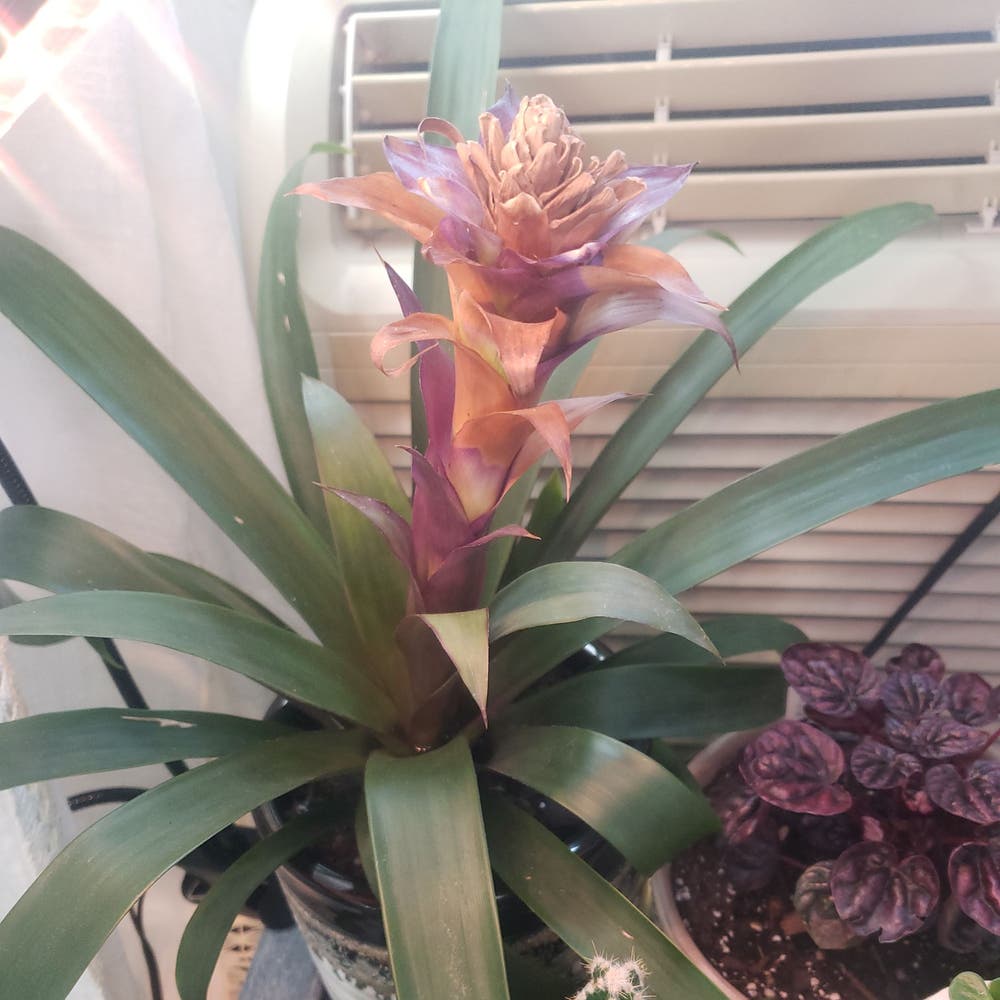
Neoregelia 'Shenba'
By the Greg Editorial Team
Jun 14, 2024•6 min read
This article was created with the help of AI so we can cover more plants for you. May contain errors. See one? Report it here.
- Browning leaves? Check light and water balance for your bromeliad.
- Wilting or discoloration? Adjust watering and ensure consistent temperature.
- Pests or mold? Improve air circulation and seek professional help if needed.
Spotting Trouble: Telltale Signs Your Bromeliad Needs Help
🍂 Browning Leaves: Is it Thirst or Sunburn?
Browning leaves can be the bromeliad's SOS. If you're seeing crispy edges, your plant might be begging for relief from too much sun or thirsting for a drink. Direct sunlight is a no-go for these guys—think sunburn without the aloe. But don't get it twisted; browning could also mean your plant's drowning. Overwatering turns leaves into a soggy mess, so check for mushy brown bases and give that watering can a rest.
💧 Wilting Drama: Underwatering or Chilly Drafts?
Wilting is your bromeliad's dramatic way of saying, "I'm not okay." If it's looking more limp than a forgotten salad, it might be underwatered or just plain cold. Chilly drafts can make your bromeliad's leaves droop like it's lost all hope. But before you crank up the heat, make sure it's not just thirsty. A dry central cup is a dead giveaway it needs a drink, stat.
🎨 Discoloration Dilemma: Light Issues or Temperature Tantrums?
Discoloration is like a bad dye job—obvious and often unwanted. If your bromeliad's leaves are fading faster than cheap jeans, it might be light-starved. On the flip side, leaves that look bleached have probably had too much sun. And let's not forget about temperature. These plants can throw a serious tantrum if they're not kept cozy. Cold shocks or heat waves can trigger a color crisis, so keep those temps steady.
H2O Woes: Watering Mishaps and Fixes
💧 Crispy Tips and Droopy Leaves: The Over and Under of Watering
Crispy tips on your bromeliad are like a bad haircut—obvious and unsightly. They're screaming, "I'm thirsty!" But before you flood the pot, remember that moderation is key. Droopy leaves? Could be a sign you've been overzealous with the watering can. The solution: a delicate balance. Water when the top inch of soil feels like a dry handshake—firm and dry, not wet and sloppy.
🌊 Root Rot Ruckus: How to Spot and Stop It
Root rot is the silent killer in the plant world. If your bromeliad's roots are mushier than overcooked noodles, it's time for an intervention. First, stop watering and let the soil dry out. If the damage isn't too far gone, consider repotting with fresh, well-draining soil. Trim away any dark, soggy roots with a clean, sharp pair of scissors—think of it as surgery for your plant. And remember, drainage holes are your friend; they're like lifeboats for your bromeliad's roots.
Light and Temperature: Striking the Right Balance
🌞 Fading Beauty: When Your Bromeliad is Light-Starved
Bromeliads are like Goldilocks; they need their light just right. If your plant's color is as washed out as a faded denim jacket, it's begging for more light. Bright, indirect sunlight is the sweet spot. Too much direct sun, and your bromeliad's leaves will throw a fit, bleaching faster than a 90s hairdo. If your home is a cave, consider LED grow lights to fake a sun-kissed glow.
🌡️ Heat Hiccups and Cold Shocks: Keeping Temperatures Consistent
Temperature consistency is key—think of your bromeliad as a creature of habit, not an adrenaline junkie. They thrive between 60°F and 80°F (15°C - 27°C). Sudden temperature swings are as welcome as a snowstorm in July. If your plant is shivering or sweating, it's time to move it to a more temperate spot. Remember, your thermostat is your bromeliad's best friend. Keep it steady, and you'll avoid drama.
Uninvited Guests: Dealing with Pests and Diseases
🐜 Pests: Spotting the Critters and Kicking Them Out
Pests are like that roommate who never cleans up; they just keep taking without giving back. Sticky residue or the sight of the bugs themselves are dead giveaways that your bromeliad has become a free buffet. To evict these freeloaders, start with hand removal and isolation of the affected plant. If you're dealing with a stubborn infestation, it's time to bring out the big guns: insecticides. Go for a gentle approach first—neem oil or a soap solution can be effective. Remember, bromeliads are sensitive souls; test any treatment on a small area to avoid a botanical meltdown.
🍄 Mold and Fungus: Clearing the Air and Your Bromeliad
Mold and fungus are the party poopers of the plant world, turning your bromeliad's life into a B-grade horror flick. Discolored leaves or a musty smell from the soil are your plant's way of crying out for help. To combat these uninvited guests, improve air circulation and keep those leaves dry. If the situation has escalated to a full-blown fungal rave, it's time to break out the fungicide. But use it like a ninja—precise and only when necessary. Prevention is better than cure, so keep an eye out and act fast. Your bromeliad will thank you with its vibrant presence.
Revival Tactics: Turning Things Around for Your Bromeliad
🌱 Adjusting Care: Simple Steps to Bring Back the Bloom
Reviving a bromeliad isn't rocket science—it's about getting back to basics. If your bromeliad's looking a bit worse for wear, light and water are your first ports of call. Too little light? Move it to a brighter spot, but dodge that harsh direct sunlight. Watering can be tricky; these aren't your average thirsty houseplants. Overwatering is a no-no—aim for moist, not swampy, soil.
💧 Water Wisdom
Crispy leaves? That's a cry for hydration. But don't drown your plant in love; a steady watering schedule is key. If the leaves are going soft and brown, you might be overdoing it. Ease up and let the plant breathe.
☀️ Light It Up
Fading leaves are a sign your bromeliad's starving for light. Find a sweet spot where it can soak up some indirect sunlight. Think of it as the plant's version of a morning coffee—necessary and revitalizing.
🚑 When to Seek Professional Help: Recognizing Persistent Problems
Sometimes, despite your best efforts, things don't improve. If your bromeliad's still looking sad, it might be time to call in the cavalry—a professional plant doctor. Persistent problems like root rot or stubborn pests need more than just a change in routine.
🌿 Expert Intervention
Don't let pride get in the way of your bromeliad's health. If you've tried the usual fixes and your plant's still on the brink, consult an expert. They can offer targeted advice, from repotting to pest control, that could save your plant's life.
Remember, bromeliads are tough cookies. With a little TLC and the right adjustments, they can bounce back from the brink. Keep a watchful eye, tweak your care routine, and don't be afraid to seek help when you're out of your depth. Your bromeliad will thank you—with a fresh burst of color and life.
⚠️ Safety First
This content is for general information and may contain errors, omissions, or outdated details. It is not medical, veterinary advice, or an endorsement of therapeutic claims.
Always consult a qualified healthcare professional before using any plant as food, medicine, or supplement.
Never eat any plant (or feed one to pets) without confirming its identity with at least two trusted sources.
If you suspect poisoning, call Poison Control (800) 222-1222, the Pet Poison Helpline (800) 213-6680, or your local emergency service immediately.
Spotted an error? Please report it here.
Revive your bromeliad by nailing the care balance, and count on Greg 🌤 to dial in those watering and lighting sweet spots for a vibrant recovery.