🌡 What Temperature Should My Bromeliad Be Kept At?
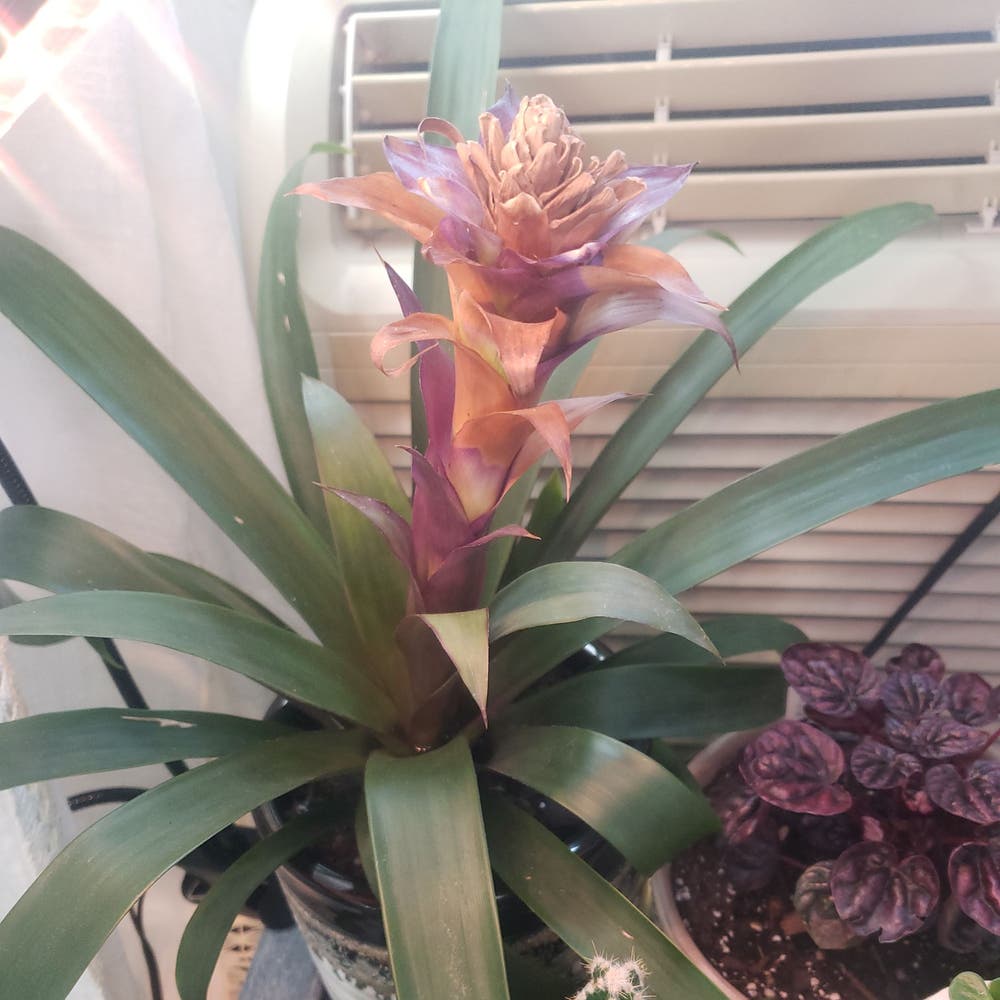
Neoregelia 'Shenba'
By the Greg Editorial Team
Jun 18, 2024•3 min read
This article was created with the help of AI so we can cover more plants for you. May contain errors. See one? Report it here.
- Ideal range 60°F-80°F (15°C-27°C) for Bromeliad comfort and health.
- 🌡️ Stable temperatures prevent stress, avoid swings and drafts.
- Protect from direct sun and cold with strategic placement and tools like thermometers.
Dialing in the Perfect Temperature
🌡️ What Bromeliads Love
Bromeliads are not divas of the plant world, but they have their preferences. They thrive in temperatures between 60°F and 80°F (15°C - 27°C). It's like their comfort food, but for climate. Stray too far outside this range, and you'll see your bromeliad turn into a drama queen.
Keeping Things Consistent
Imagine wearing a winter coat and then suddenly switching to a swimsuit - not comfortable, right? That's how bromeliads feel with temperature swings. To keep your green buddy from throwing a fit, maintain a stable environment. This might mean moving it away from drafty windows or shielding it from that aggressive midday sun. It's all about avoiding the botanical equivalent of mood swings.

When Temperatures Go Extreme
🌡️ Signs Your Bromeliad is Feeling the Heat
Bromeliads are tough cookies, but they have their limits. Heat stress is real, and it manifests through crispy leaf tips and brown, dry spots, as if the plant got a bit too much sunbathing. Leaves may also stretch out awkwardly, like they're trying to escape the pot. If your bromeliad starts dropping flowers or buds, it's not being dramatic—it's conserving energy to survive the sauna.
❄️ Chilly Troubles
On the flip side, cold stress makes bromeliads look like they've seen a ghost. Dark, soggy spots on leaves are a telltale sign of a plant left out in the cold. New growth is particularly vulnerable, often showing up with brown or black tips as if mourning the loss of warmth. If leaves start dropping like flies, it's a white flag of surrender to the cold. Remember, while some bromeliads can brave the low 30s, others prefer not to dip below 45 degrees.

Battling Temperature Stress
🌞 Shielding from the Sun's Fury
Bromeliads bask in bright, indirect light, but direct sunlight is their nemesis. To prevent your plant from overheating, position it away from the relentless midday sun. Use sheer curtains to diffuse harsh rays, creating a sunblock effect without casting your bromeliad into shadowy gloom. It's like sunscreen for your plant, minus the greasy residue.
💨 Drafts: The Invisible Enemy
Drafts are the silent assassins in the plant world, often overlooked until the damage is done. Keep your bromeliad out of the line of fire from air vents and away from drafty windows or doors. Think of your plant as a draft dodger—it's not avoiding responsibility, it's sidestepping an invisible threat. If you suspect a draft, use your hand to feel for air movement or watch for telltale signs like a quivering leaf. Remember, stability is key; your bromeliad craves a consistent environment like a hermit craves solitude.

Practical Tips for Temperature Control
🌡️ Tools of the Trade
Thermometers are the unsung heroes in the plant care saga, giving you the lowdown on your Bromeliad's climate without any fluff. They're like your plant's personal meteorologist. For those chillier times, heating mats come to the rescue, providing a subtle warm embrace to the roots, ensuring your green buddy doesn't get cold feet—literally.
🌡️ Quick Fixes for Temperature Fluctuations
When your Bromeliad's comfort zone is threatened by a sudden cold snap or heatwave, relocation is your best quick fix. Move it to a spot that's just right—away from drafty windows or that overzealous radiator. Think of it as playing musical chairs for the well-being of your plant. And remember, draft management isn't just about avoiding the obvious gusts; it's about keeping your plant out of the way of sneaky drafts that could throw off your temperature game.
⚠️ Safety First
This content is for general information and may contain errors, omissions, or outdated details. It is not medical, veterinary advice, or an endorsement of therapeutic claims.
Always consult a qualified healthcare professional before using any plant as food, medicine, or supplement.
Never eat any plant (or feed one to pets) without confirming its identity with at least two trusted sources.
If you suspect poisoning, call Poison Control (800) 222-1222, the Pet Poison Helpline (800) 213-6680, or your local emergency service immediately.
Spotted an error? Please report it here.
Ensure your bromeliad flourishes 🌡 with Greg's tailored advice on maintaining the ideal temperature and perfect placement in your home.