10 Key Winter Strategies for Bromeliad
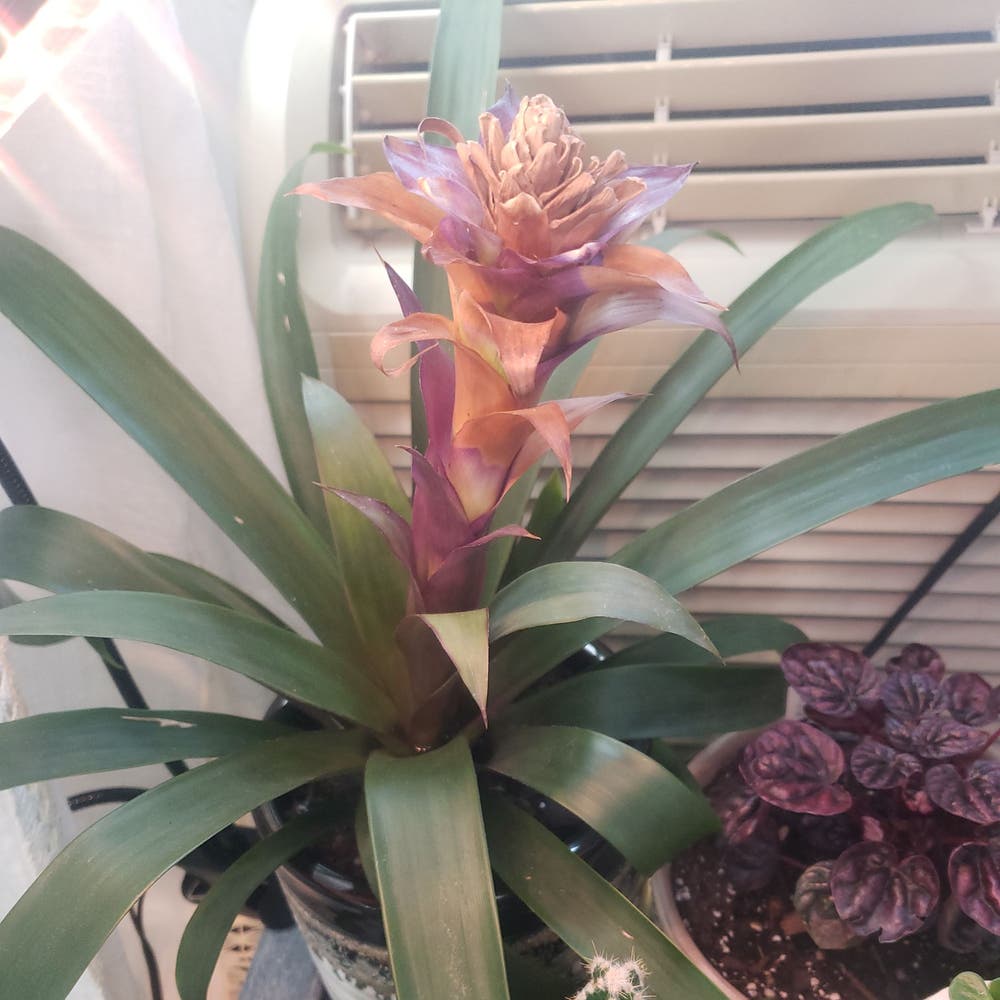
Neoregelia 'Shenba'
By the Greg Editorial Team
Jul 26, 2024•4 min read
This article was created with the help of AI so we can cover more plants for you. May contain errors. See one? Report it here.
- 🌡️ Frost protection is vital for Bromeliads to survive winter.
- 🏡 Indoor care adjustments include light, humidity, and temperature control.
- 🌱 Gradual outdoor transition prevents shock, ensuring spring growth.
Frost Protection Measures
❄️ Understanding Frost Risks
Bromeliads, with their vibrant colors and unique shapes, aren't fans of the cold. Frost can be a silent adversary, causing tissue damage and even plant death. It's crucial to know which species are most at risk; for instance, certain Bromeliads with thinner leaves are more vulnerable to frostbite.
🛡️ Implementing Protection
When Jack Frost comes knocking, here's how to shield your Bromeliads:
Outdoor Bromeliads:
- Mulch around the base to insulate roots from the cold.
- Drape frost cloths or plant blankets over your plants at night.
- For added defense, consider cold frames or temporary greenhouses.
Indoor Bromeliads:
- Bring potted Bromeliads inside before the first frost hits.
- Place them in a well-lit area away from drafty windows.
- Keep an eye on indoor temperatures, ensuring they stay above the danger zone.
Remember, even if a Bromeliad succumbs to frost, all may not be lost. Some species can bounce back with new growth come spring.
Indoor Winter Strategies
🌞 Optimizing Indoor Conditions
Bromeliads crave the right ambiance to flourish indoors during the chillier months. Here's how to hit the sweet spot:
- Light: Position your Bromeliads in a space where they can bask in bright, indirect sunlight. If natural light is scarce, consider using grow lights to compensate.
- Humidity: These tropical natives love moisture in the air. Aim for 40-60% humidity. A humidifier can work wonders, or you can place a water tray nearby to naturally boost humidity levels.
- Temperature: Keep the thermostat steady between 60°F and 80°F (15°C - 27°C). Bromeliads are not fans of dramatic temperature swings.
👀 Monitoring Indoor Bromeliads
Vigilance is key to keeping your indoor Bromeliads happy through winter. Here's what to keep an eye on:
- Signs of Stress: Watch for drooping or browning leaves, which could signal incorrect humidity or light levels.
- Pest Patrol: Inspect regularly for unwelcome guests like scale or mealybugs. If spotted, swab them with rubbing alcohol and rinse the plant.
- Water Wisdom: Adjust your watering routine to the indoor environment, ensuring the soil is moist but not soggy.
By staying attuned to these factors, you can ensure your Bromeliads not only survive but thrive indoors until spring's return.
Pre-Spring Transition
🌡️ Planning for Temperature Shifts
As winter wanes, it's time to prepare your Bromeliads for the upcoming warmth. The key is a gradual increase in temperature, mimicking the gentle thaw of spring.
- Begin by slightly raising the temperature around your Bromeliads if they're indoors.
- Monitor the forecast to ensure outdoor temperatures are consistently above 50ºF (10ºC) at night before considering the move outside.
🌿 Acclimating to Outdoor Conditions
Transitioning Bromeliads outdoors requires a careful approach to avoid shock. Here's how to ensure a smooth changeover:
- Choose a cloudy day to start the process, reducing the impact of intense sunlight.
- Place the plants in a sheltered, shaded area for the first week.
- Gradually increase their exposure to sunlight over the next two weeks, starting with indirect light.
- After acclimation, select a permanent outdoor spot that offers a balance of morning sunlight and afternoon shade.
- Keep an eye on nighttime temperatures and be ready to protect your Bromeliads from late frosts using cloches or frost cloth.
Remember, patience is crucial during this transition. Rushing can lead to leaf burn or stress, setting back your Bromeliads' progress as they head into the growing season.
Post-Winter Recovery
Assessing Winter Impact 🌨️
After the chill of winter, it's crucial to determine how your Bromeliads have fared. Here's how to spot trouble and take action:
- Inspect leaves for browning or limpness, which could indicate frost damage or disease.
- Check the root system by gently easing the plant out of its pot; healthy roots should be firm and white.
- Evaluate the potting mix; if it's overly decayed or compacted, consider repotting with fresh mix to give your plant a healthy start.
Encouraging Spring Vigor 🌷
With spring's arrival, it's time to reinvigorate your Bromeliads. Follow these steps to kickstart their growth:
- Gradually increase light exposure to wake your plants from dormancy, mimicking the natural progression of the season.
- Resume a regular watering schedule, ensuring thorough drainage to prevent root rot.
- Trim away any dead or damaged foliage to redirect energy to healthy growth.
- Consider a balanced, slow-release fertilizer to nourish your plants, but avoid over-fertilization which can cause more harm than good.
⚠️ Safety First
This content is for general information and may contain errors, omissions, or outdated details. It is not medical, veterinary advice, or an endorsement of therapeutic claims.
Always consult a qualified healthcare professional before using any plant as food, medicine, or supplement.
Never eat any plant (or feed one to pets) without confirming its identity with at least two trusted sources.
If you suspect poisoning, call Poison Control (800) 222-1222, the Pet Poison Helpline (800) 213-6680, or your local emergency service immediately.
Spotted an error? Please report it here.
Keep your Bromeliads thriving through winter ❄️ with Greg's personalized reminders for frost protection and optimal indoor conditions, ensuring a seamless transition into spring.