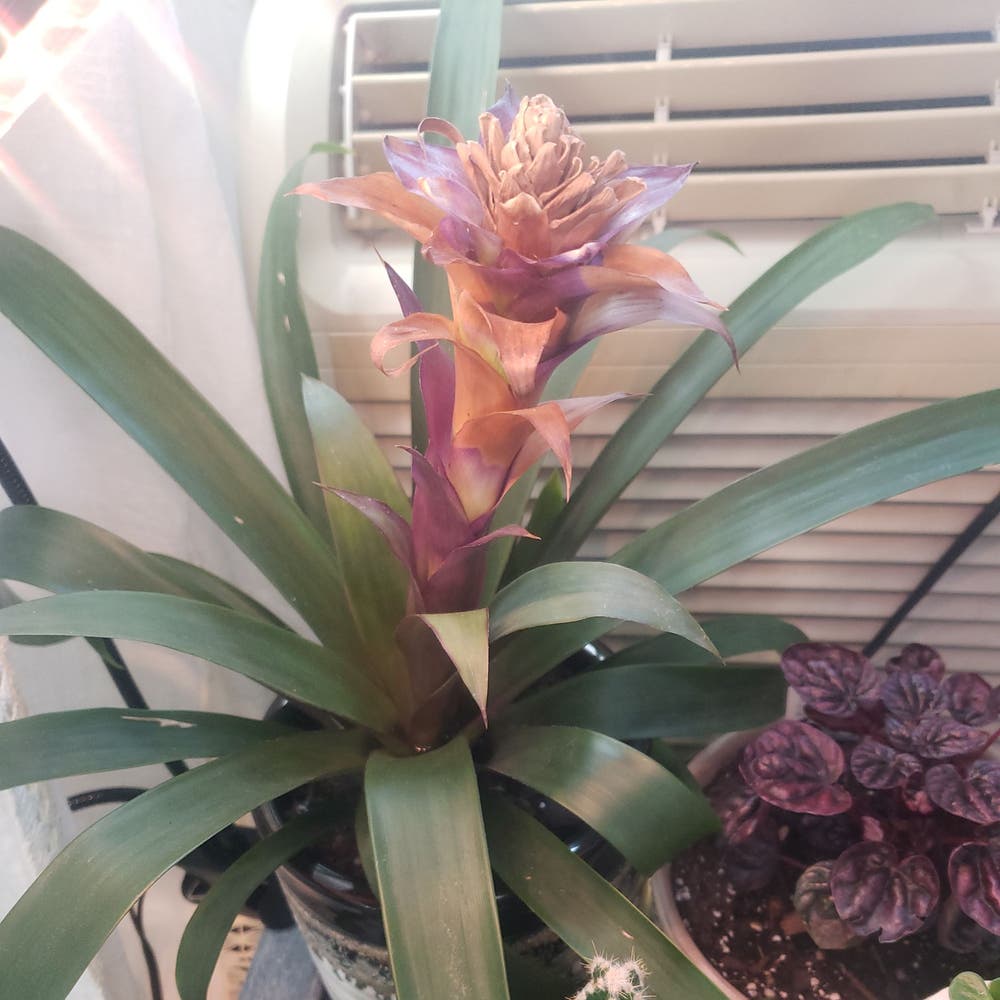
Bromeliad - Fertilizing 101
Neoregelia 'Shenba'
By the Greg Editorial Team
Jun 14, 2024•5 min read
This article was created with the help of AI so we can cover more plants for you. May contain errors. See one? Report it here.
- N-P-K ratios matter: Nitrogen, phosphorus, potassium are key for Bromeliad health.
- Adjust for growth cycles: Fertilize less during dormancy, more before blooming.
- Avoid over-fertilization: Dilute properly and watch for yellowing or burnt leaves.
Picking the Right Fertilizer for Your Bromeliad
💡 Balanced Diet: Understanding N-P-K Ratios
Bromeliads flourish with the right nutrients. Nitrogen (N), phosphorus (P), and potassium (K) are the big three, each playing a unique role in plant health. Nitrogen supports leaf growth, phosphorus aids in root and flower development, and potassium bolsters overall plant vigor.
Fertilizer labels flaunt N-P-K ratios like badges of honor. A 10-10-10 mix denotes equal parts of each nutrient. However, Bromeliads prefer a lighter nitrogen touch to avoid compromising their vibrant blooms. Look for a lower first number when choosing your fertilizer.
🍽️ The Micronutrient Mix
Beyond the N-P-K trinity, Bromeliads need a cocktail of micronutrients for peak performance. These include elements like calcium, magnesium, and iron. While they're needed in smaller quantities, their impact is anything but minor.
Selecting a fertilizer that includes a balanced micronutrient mix is crucial. It's like choosing a multivitamin tailored for your plant's specific dietary needs. Keep an eye out for products that cater to Bromeliads or air plants, as they often have the ideal nutrient blend.
Timing is Everything: When to Fertilize
🌱 Growth and Dormancy Cycles
Bromeliads have distinct growth stages, each with unique nutritional demands. During the active growing season—spring and summer—fertilization supports their development. But come the dormancy period, usually in the cooler months, your Bromeliad's appetite wanes. Avoid fertilizing during this time to prevent potential damage to the plant's leaves and roots.
💐 Blooming Time: Special Considerations
When your Bromeliad gears up to bloom, it's showtime, and fertilization can be your backstage crew. Tweak your feeding routine to encourage those vibrant flowers. Opt for a fertilizer with a higher phosphorus content as blooming approaches, but remember, moderation is key. Overdoing it can lead to a foliage party with no blooms invited. Keep it light, keep it right, and you'll be rewarded with a floral spectacle.
The Art of Fertilizing Bromeliads
🌱 Soil vs. Foliar Feeding
Bromeliads aren't your typical houseplants, and fertilizing them is more of a tailored suit than a one-size-fits-all approach. You've got two contenders in the ring: soil and foliar feeding.
Soil feeding is like a slow-release energy bar, providing nutrients at the roots over time. It's straightforward—mix the fertilizer with water and drench the soil, ensuring the mix doesn't play favorites and reaches all roots equally.
Foliar feeding, on the other hand, is a quick snack directly to the leaves. It's a bit like giving your plant a shot of espresso—fast and effective. Use a spray bottle to mist the leaves, but avoid turning it into a wet T-shirt contest; too much moisture can lead to fungal issues.
💧 Dilution Solutions: Getting the Mix Right
When it comes to diluting fertilizer, think of it as making a cocktail—too strong and you'll regret it. Half or quarter strength is usually the sweet spot for Bromeliads. Over-concentration is like binge-drinking for plants; it leads to fertilizer burn, and nobody wants a hungover Bromeliad.
🌿 Application Techniques
Applying fertilizer is less about having a green thumb and more about using your noggin. Here's a step-by-step guide to ensure you don't mess it up:
- Choose your weapon: Decide between soil or foliar feeding.
- Mix your potion: Dilute the fertilizer to the strength of a weak tea.
- Test the waters: If you're soil feeding, water your plant first to prevent root shock.
- Apply with care: For soil feeding, pour evenly around the base. For foliar, spray in the morning so leaves dry by nightfall.
- Clean up: Wipe any excess off the leaves to prevent burn and admire your handiwork.
Remember, with great fertilizing power comes great responsibility. Don't go rogue with the feeding schedule; stick to the plan, and your Bromeliad will be less Little Shop of Horrors and more botanical buddy.
Spotting Trouble: Over-Fertilization and Its Fixes
🚫 Recognizing the Signs
Bromeliads, like any plant, can suffer from too much love in the form of fertilizer. Yellowing leaves, especially at the tips and margins, can be a distress signal. If the foliage starts to look burnt or you spot a crust of fertilizer on the soil, your Bromeliad is likely over-fertilized. Roots that appear brown, black, or limp, and leaves that wilt despite moist soil, are also red flags. These symptoms often appear almost immediately after fertilizer application, so keep a vigilant eye post-feeding.
🛠 Quick Fixes and Long-Term Solutions
Caught in the act of over-fertilization? Remove visible fertilizer from the soil surface first. Then, it's time for a thorough flush—water your plant generously to leach out excess salts, ensuring proper drainage. Repeat this every few days until your Bromeliad perks up. Trimming damaged leaves can also help the plant recover. For potted plants, a soil change might be in order: replace the top layer or repot with fresh, nutrient-free soil.
Prevention is key. Test your soil before adding fertilizer and water thoroughly after application to avoid salt buildup. Consider using organic compost for a slower, more controlled nutrient release. And remember, when it comes to fertilizer, less can be more. Over-enthusiastic fertilizing can backfire, so dial it back and watch your Bromeliad thrive.
⚠️ Safety First
This content is for general information and may contain errors, omissions, or outdated details. It is not medical, veterinary advice, or an endorsement of therapeutic claims.
Always consult a qualified healthcare professional before using any plant as food, medicine, or supplement.
Never eat any plant (or feed one to pets) without confirming its identity with at least two trusted sources.
If you suspect poisoning, call Poison Control (800) 222-1222, the Pet Poison Helpline (800) 213-6680, or your local emergency service immediately.
Spotted an error? Please report it here.
Ensure your Bromeliads receive the ideal mix of nutrients 🌸 at the perfect time with Greg's tailored fertilization reminders, avoiding over-fertilization and promoting stunning blooms.