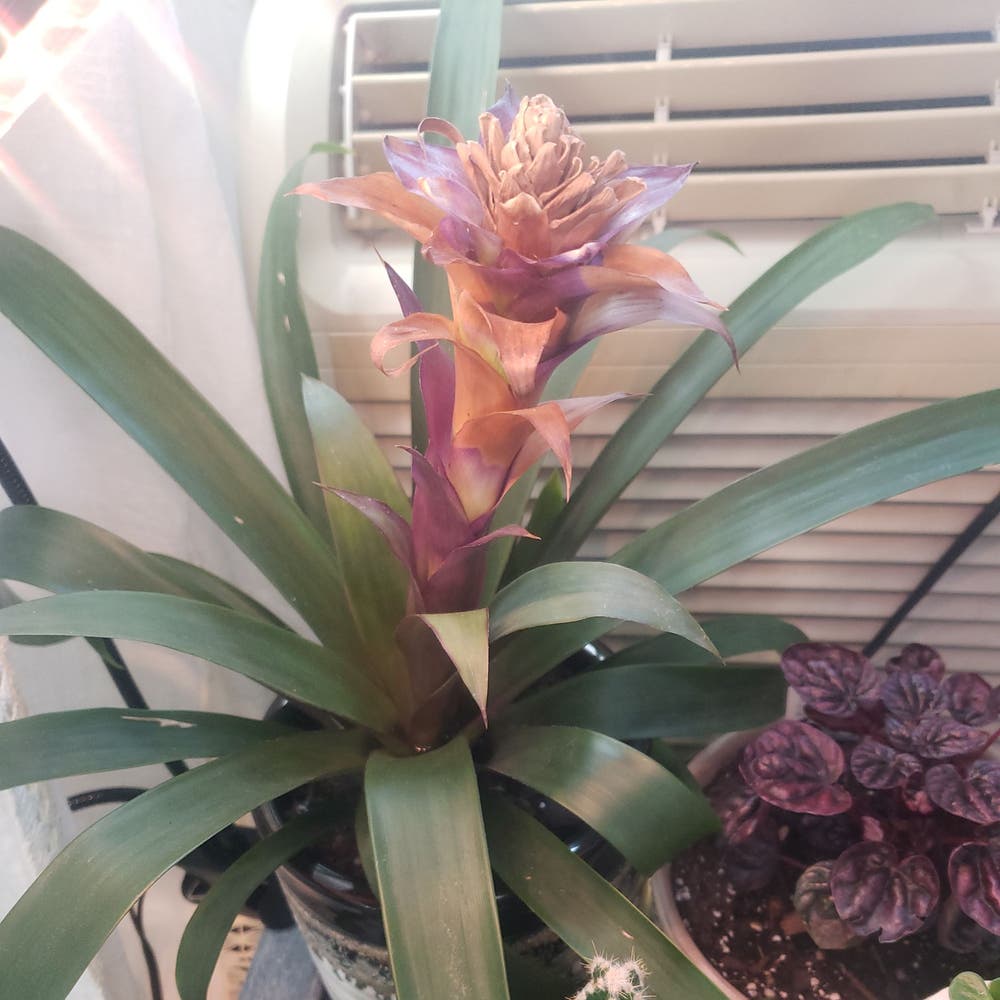
Black Spots on My Bromeliad Leaves
Neoregelia 'Shenba'
By the Greg Editorial Team
Jun 18, 2024•4 min read
This article was created with the help of AI so we can cover more plants for you. May contain errors. See one? Report it here.
- Black spots signal trouble; inspect leaves regularly for early detection.
- Fungal vs. bacterial spots: Powdery or slimy? Identify to treat correctly.
- Prevent with care: Adjust watering, light, and cleanliness to avoid black spots.
Spotting the Trouble: Recognizing Black Spots
👀 Visual Identification
Black spots on Bromeliad leaves are hard to miss. They're the unwelcome guests at the garden party, showing up as small, dark blemishes that can spread across the foliage. Look for irregular shapes or concentric rings, a telltale sign of trouble brewing beneath the surface.
🌍 Location Matters
Most often, these spots prefer the undersides of leaves, lurking out of sight. But don't be fooled; they can appear anywhere, turning your vibrant green into a mottled mess. It’s like finding a stain on your favorite shirt — the sooner you spot it, the better your chances of saving the fabric.
🐦 The Early Bird
Catching these spots early can't be overstated. It's the difference between a quick cleanup and a full-blown renovation project. Regular checks are your best defense, turning you into a plant health vigilante. Spot a suspicious mark? Jump into action like it's a race against the clock.
🕵️ The First Clue
Texture is a clue. Fungal spots might feel powdery, while bacterial ones can be slimy to the touch. It's like comparing chalk dust to spilled soda — both are messy, but they require different cleanup strategies.
⏰ When to Act
At the first hint of black spots, it's go-time. Remove affected leaves with sterilized scissors, and don't look back. It's like cutting off a bad habit; swift and decisive action is key to a healthy turnaround.

The Usual Suspects: Causes of Black Spots
🍄 Fungal Foes
Fungi are the prime suspects in the case of black spots on Bromeliad leaves. They love to party in moist conditions, turning your plant's foliage into a canvas of decay. Cylindrocladium spathiphylli and Seiridium canker are notorious for causing these blemishes, with brown lesions and yellow halos as their calling cards. Overwatering is practically an open invitation for these uninvited guests.
🦠 Bacterial Baddies
Bacteria are the ninjas of the plant world, slipping in through tiny wounds and wreaking havoc. Pseudomonas leaf spot and other bacterial infections leave a slimy, water-soaked appearance, often with a foul odor. High humidity and stagnant air are their allies, creating the perfect storm for a bacterial takeover.
🌿 Environmental Stressors
Your Bromeliad can also sport black spots due to environmental stress. Too much sun, too little light, or a drafty corner can all send your plant into a state of distress. It's like your Bromeliad is waving a flag saying, "I'm not okay!" Temperature swings and poor drainage can also contribute to the problem, making your plant's leaves look like they've been through a botanical battle.

Playing Detective: How to Pinpoint the Cause
In the quest to diagnose black spots on your Bromeliad, observation is your best tool. Here's how to discern whether you're dealing with fungi, bacteria, or just a stressed-out plant.
🍄 Fungal, Bacterial, or Stress: Spot the Difference
Fungal infections often show up as spots with concentric rings or dark borders. If you see raised or spreading lesions, think fungus. Bacterial issues, on the other hand, can look like water-soaked areas that might ooze or smell bad. As for environmental stress, it's usually the context that gives it away—spots from too much sun or heat will appear on the areas most exposed.
🕵️♂️ When to Call in the Pros
If you've played Sherlock with your Bromeliad and still can't crack the case, it's time to consult an expert. A plant pathologist or a knowledgeable nursery worker can offer a definitive diagnosis and save your leafy friend from further distress. Sometimes, sending a sample to a lab is the only way to get a clear answer—don't shy away from this step if your home detective work hits a wall.

The Battle Plan: Treating and Preventing Black Spots
🍄 Fungus Among Us: Dealing with Fungal Infections
Fungicides are your go-to allies in the fungal fray. Opt for options like neem oil for an organic approach. A homemade potion of baking soda, water, and a dash of soap can alter the leaf's pH, telling the fungus to scram. Apply this mix weekly until the spots surrender.
🦠 Bacteria Be Gone: Tackling Bacterial Infections
When bacteria invade, copper compounds and specific bactericides are your defense. For severe cases, refined horticultural oil or insecticidal soap might be necessary. Remember, cleanliness is your plant's best friend—sterilize those shears and keep the soil pristine to prevent bacterial encores.
🌿 Stress Relief: Mitigating Environmental Factors
Adjust care to avoid stress-related spots. Ensure airflow to keep humidity low and fungal parties non-existent. Sunlight and consistent temperatures are the cornerstones of a stress-free plant life. Keep your garden clean, especially during fall, to prevent fungi from overwintering. And water only when the sun's out to keep those feet dry.
⚠️ Safety First
This content is for general information and may contain errors, omissions, or outdated details. It is not medical, veterinary advice, or an endorsement of therapeutic claims.
Always consult a qualified healthcare professional before using any plant as food, medicine, or supplement.
Never eat any plant (or feed one to pets) without confirming its identity with at least two trusted sources.
If you suspect poisoning, call Poison Control (800) 222-1222, the Pet Poison Helpline (800) 213-6680, or your local emergency service immediately.
Spotted an error? Please report it here.
Prevent black spots 🕵️♂️ on your Bromeliad by letting Greg keep an eye on moisture levels and environmental stress, ensuring your plant stays as healthy and vibrant as the day you got it!