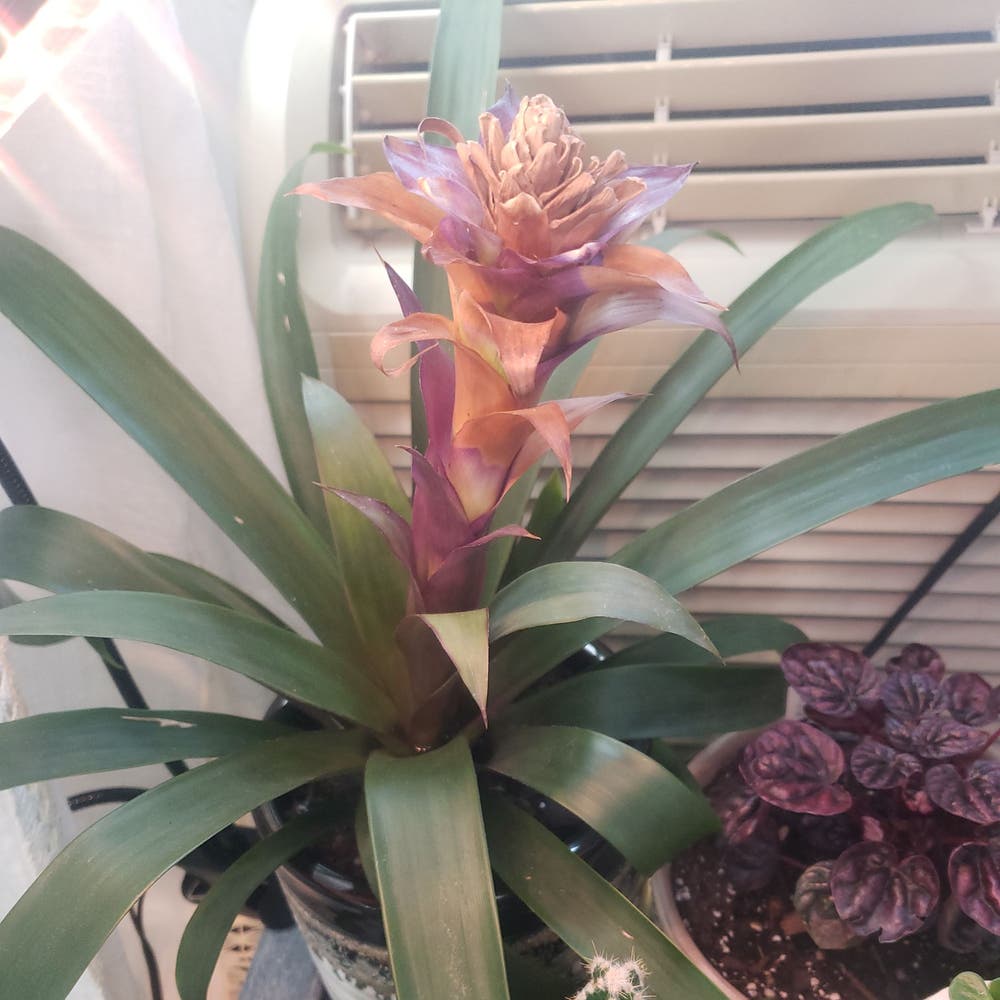
Bromeliad: Not an Annual
Neoregelia 'Shenba'
By the Greg Editorial Team
Jul 26, 2024•2 min read
This article was created with the help of AI so we can cover more plants for you. May contain errors. See one? Report it here.
- 🌱 Bromeliads are perennials, living multiple years and producing pups.
- 🌺 One-time flowering can mimic annuals, but pups ensure ongoing growth.
- ❄️ Misconceptions arise when Bromeliads don't survive winter in some climates.
Bromeliad Perennial Basics
🌱 Annual vs Perennial
- Annual plants complete their life cycle in one year, flowering and dying after setting seed.
- Perennials, like Bromeliads, persist for multiple years, often with a focus on robust root systems over extended bloom times.
🌿 Bromeliad's Perennial Traits
- Bromeliads showcase perennial traits through their long-term growth patterns and ability to survive across seasons.
- Their reproductive strategy involves producing pups, confirming their status as perennials despite the parent plant dying after flowering.
Perennial Misconceptions
🌺 Common Confusions
Bromeliads' vibrant colors and dramatic blooms often lead to them being mistaken for annuals. Here's why that happens:
- Bromeliads have a one-time flowering process, which can mimic the life cycle of annuals.
- In some climates, Bromeliads may not survive the winter, misleading gardeners to believe they are annuals.
🌿 Clarifying the Perennial Nature
To set the record straight, Bromeliads are indeed perennials. Look for these signs:
- After flowering, Bromeliads produce offsets, or 'pups', which continue to grow and mature.
- Their ability to thrive indoors and outdoors across multiple seasons is a hallmark of perennial plants.
Debunking the myths:
- Bromeliads are not 'one-and-done' plants; their cycle of producing pups ensures ongoing growth.
- While the mother plant may die after flowering, the pups signify the plant's perennial nature.
⚠️ Safety First
This content is for general information and may contain errors, omissions, or outdated details. It is not medical, veterinary advice, or an endorsement of therapeutic claims.
Always consult a qualified healthcare professional before using any plant as food, medicine, or supplement.
Never eat any plant (or feed one to pets) without confirming its identity with at least two trusted sources.
If you suspect poisoning, call Poison Control (800) 222-1222, the Pet Poison Helpline (800) 213-6680, or your local emergency service immediately.
Spotted an error? Please report it here.
Ensure your Bromeliads flourish perennially 🌱 with Greg's season-specific care reminders, helping you nurture every pup into a vibrant, mature plant.