Bromeliad Roots 101
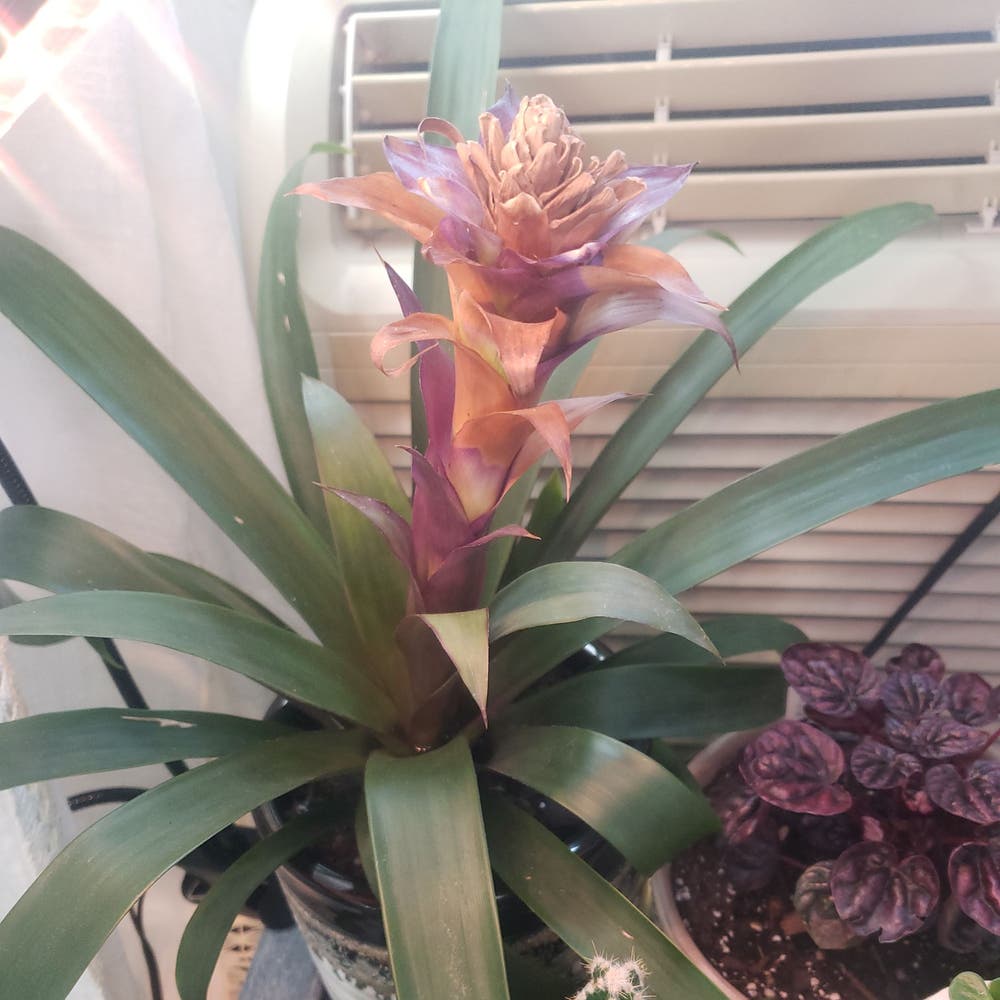
Neoregelia 'Shenba'
By the Greg Editorial Team
Jul 26, 2024•6 min read
This article was created with the help of AI so we can cover more plants for you. May contain errors. See one? Report it here.
- 🌱 Bromeliad roots anchor, less about nutrients—adaptability is key.
- 💧 Proper watering and feeding are crucial—overdoing can harm.
- 🌿 Healthy roots equal resilience, focus on gentle care and patience.
Bromeliad Root Characteristics
Bromeliad roots are fascinatingly adapted to their natural habitats. Unlike many plants that rely on their roots for nutrient uptake, Bromeliads often use theirs primarily for anchoring to hosts.
- Epiphytic Nature: Many Bromeliads are epiphytes, meaning they grow on other plants or structures without being parasitic. Their roots are designed to grip and stabilize rather than delve deep for nutrients.
- Fibrous and Hardy: These roots are fibrous and wiry, built to latch onto trees, rocks, or even the air in some species. They're tough, reflecting the resilience of Bromeliads as a whole.
Terrestrial Bromeliads do have roots that absorb nutrients from the soil, but even these are different from typical root systems.
- Structure and Function: The roots of soil-dwelling Bromeliads are still relatively shallow and fibrous, focusing on quick water uptake and stability rather than deep soil penetration.
- Adaptation to Environment: Whether clinging to a rainforest canopy or nestled in rocky crevices, Bromeliad roots are a testament to the plant's adaptability. They're a key reason why Bromeliads can thrive in a variety of challenging conditions.
In essence, the root characteristics of Bromeliads are a masterclass in evolutionary adaptation, enabling these plants to colonize niches that many others cannot.
Fertilizing and Feeding
Bromeliads are not greedy when it comes to their diet. They thrive on a lean menu, absorbing just enough to sustain their vibrant colors and robust growth. Here's how to fertilize these easy-going plants without causing harm:
- Research Your Bromeliad: Different species may have slightly varied nutritional needs. Get to know your plant's preferences.
- Less is More: Opt for a light feeding approach. A diluted, balanced fertilizer applied monthly during the growing season (spring and summer) is often sufficient.
- Application Techniques: For epiphytic Bromeliads, apply diluted fertilizer directly to their central cup or mist onto the leaves. Terrestrial varieties can have slow-release pellets sprinkled around the soil.
Beware of over-fertilization; it can lead to nutrient burn, manifesting as brown spots or curled leaves. If you notice lush, dark green foliage that seems too good to be true, it might be a sign of excess feeding. Remember, Bromeliads will often flourish even without fertilizer, so when in doubt, err on the side of caution.
Transplanting and Repotting
Transplanting your Bromeliad is like giving it a new lease on life, but it's a delicate process that needs a gentle touch. Here's how to do it right.
When to Transplant
- Check for overcrowding, declining health, or if it's time to propagate a pup.
- Bromeliads rarely need repotting, but these signs are clear indicators.
🌱 How to Transplant Safely
- Choose a new pot with proper drainage and a well-draining soil mix.
- Gently remove the Bromeliad from its current pot, avoiding root damage.
🌿 Minimizing Root Disturbance
- Inspect and trim any unhealthy roots with clean pruning shears.
- Secure the plant in its new pot to prevent movement, which can inhibit root setting.
💧 Aftercare
- Water the plant lightly to settle the soil, avoiding overwatering.
- Provide bright, indirect light and rotate the pot to promote even growth.
Remember, patience is key. Allow your Bromeliad time to adjust to its new home.
Addressing Root Problems
Bromeliads are hardy, but they're not immune to root issues. Let's dive into the common problems and how to fix them.
🌱 Common Root Issues and Remedies
- Root Rot: This is often the result of overwatering. If the roots are black and mushy, remove the affected parts and let the soil dry out before watering again.
- Pests: Mealybugs and scale can be problematic. Wipe mealybugs with alcohol and a cotton swab; remove scale with a dull knife. Insecticidal soap or neem oil can also be effective treatments.
- Browning Tips: This indicates dryness. Soak the container, let it drain, and add water to the central cup to rejuvenate your plant.
🛡️ Preventative Measures
To keep your Bromeliad's roots healthy, prevention is key. Here's what you can do:
- Water only when the top few inches of the potting medium are dry.
- Reduce watering frequency in winter.
- Use a well-draining potting mix and container.
- Ensure good air circulation around the plant.
- Err on the side of underwatering rather than overwatering.
- Never let the plant sit in soggy conditions.
By addressing these root problems promptly and taking preventative steps, you can maintain a healthy Bromeliad with a robust root system.
Root System and Plant Resilience
Bromeliads are champions of resilience, largely thanks to their robust root systems. These roots are not just anchors but lifelines during stress.
- Bromeliad roots excel in moisture management, drawing water to compensate for transpiration losses.
- A well-aerated potting mix is crucial for root health, allowing roots to breathe and efficiently absorb nutrients.
💪 Strengthening Roots for Plant Health
To bolster your Bromeliad's roots—and its overall vigor—consider these strategies:
- Soil Health: Use a potting mix that drains well yet retains enough moisture to support a healthy root ecosystem.
- Water Wisdom: Water your Bromeliad appropriately, encouraging deep root growth and resilience to dry conditions.
- Balanced Feeding: Fertilize with care, providing just enough nutrients to support growth without overwhelming the roots.
By nurturing the roots, you're setting the stage for a Bromeliad that can withstand the unpredictable, from droughts to pests.
Propagation and Root Care
Bromeliads gift us with pups, their own versions of offspring, ready to grow into new plants. Ensuring these pups thrive starts with a focus on root health during propagation.
- Wait until pups are one-third to one-half the size of the parent plant before separating them. This size indicates that they've developed sufficient roots to survive on their own.
- When separating, use a sharp, clean knife to avoid damaging the roots. A clean cut promotes better healing and reduces the risk of infection.
🌱 Tips for Dividing Bromeliads
Dividing Bromeliads is like performing delicate surgery where every incision counts. Here's how to do it right:
- Water the parent plant a day before dividing to ensure the roots are hydrated and more pliable.
- Gently tease apart the roots of the pups from the mother plant, minimizing damage and stress.
- Plant the pups in a well-draining potting mix, suitable for epiphytic plants, to prevent root rot.
- Maintain a lightly moist environment for the pups post-transplant to encourage root development without overwatering.
Remember, patience is key. Bromeliad pups may take some time to establish themselves, but with the right care, they'll flourish into robust, independent plants.
⚠️ Safety First
This content is for general information and may contain errors, omissions, or outdated details. It is not medical, veterinary advice, or an endorsement of therapeutic claims.
Always consult a qualified healthcare professional before using any plant as food, medicine, or supplement.
Never eat any plant (or feed one to pets) without confirming its identity with at least two trusted sources.
If you suspect poisoning, call Poison Control (800) 222-1222, the Pet Poison Helpline (800) 213-6680, or your local emergency service immediately.
Spotted an error? Please report it here.
Nurture your Bromeliads to flourishing health 🌿 with Greg's tailored care reminders, ensuring their roots stay strong and your green friends thrive.