Lifespan of Bromeliad
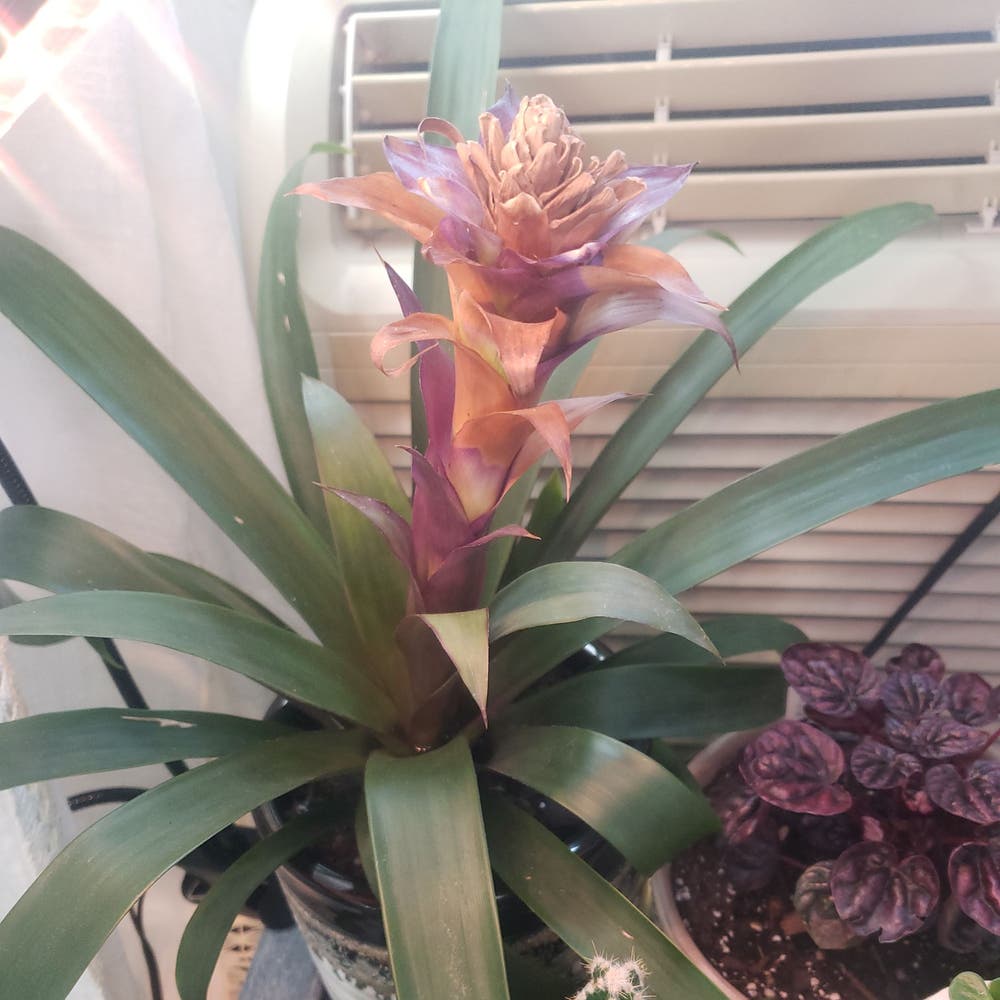
Neoregelia 'Shenba'
By the Greg Editorial Team
Jul 28, 2024•4 min read
This article was created with the help of AI so we can cover more plants for you. May contain errors. See one? Report it here.
- Bromeliad lifespan varies, with pups maturing in 1-3 years and mothers in months.
- Flowering is pivotal, leading to reproduction and marking the life cycle's climax.
- Environmental factors like light and moisture crucially influence growth stages.
Germination and Seedling
🌱 Starting from Scratch
Bromeliads begin their life cycle either from seeds or cuttings, each with its own timeline and requirements. Germination from seeds can take several weeks and demands precise conditions of moisture, temperature, and light. Cuttings, or offsets, bypass the seed stage, rooting directly in the soil to form a new plant.
- Germination process: 4-8 weeks for seeds, with a focus on moisture and warmth.
- Cuttings: Faster rooting, requiring soil contact and stable conditions.
🌿 Early Development
Once germination occurs or cuttings take root, Bromeliads enter the seedling stage, revealing their first leaves and establishing a foundation for growth. This stage is critical, as the young plant is vulnerable and its development is influenced by environmental factors.
- Physical changes: Emergence of first leaves, root establishment.
- Growth factors: Light exposure, protection from fungal threats, and gradual acclimation to less humid conditions.
Vegetative Growth
🌱 Gaining Ground
After the initial seedling stage, Bromeliads enter a dynamic phase of vegetative growth. This period is characterized by the plant's focus on expanding its leafy presence and developing a robust root system.
- The transition can last several months to a couple of years, depending on environmental conditions and species.
- Key factors that influence this phase include light exposure, temperature, and soil moisture, all of which contribute to the plant's overall vigor.
🌿 Visible Changes
As Bromeliads progress through the vegetative stage, they undergo noticeable transformations.
- Leaves become broader and more vibrant, indicating increased photosynthetic activity.
- The plant's size and structure develop significantly, setting the stage for the eventual flowering and reproductive cycle.
Flowering and Reproduction
🌺 Blooming Phase
Bromeliads captivate with their vibrant blooms, marking a critical transition in their life cycle. This phase typically unfolds in the plant's maturity, with the timing varying by species. The flowering stage is not just a visual spectacle but a gateway to reproduction, setting the stage for pollination and seed formation.
- Description of the flowering stage, including its vibrant colors and structural changes.
- Timeline of the blooming phase, which can range from a few days to several months, depending on environmental factors and species.
🌱 Seed Dynamics
Following the fanfare of flowers, Bromeliads embark on seed production and dispersal. While some species rely on pollinators, others may self-pollinate or even reproduce asexually through offsets, known as "pups."
- Exploration of seed production, which may occur if pollination is successful, and the conditions that favor it.
- Discussion of seed dispersal methods, such as wind or animal assistance, and the factors that contribute to a Bromeliad's reproductive success, including genetics and environmental conditions.
Lifespan and Maturation
🌱 Full Growth Timeline
Bromeliads offer a captivating display of resilience and transformation throughout their lifecycle. From the moment a seed germinates or a pup takes root, the clock begins ticking on a journey that spans several years. Here's a snapshot of their growth timeline:
- Germination to Seedling: A few weeks to several months, depending on conditions.
- Seedling to Vegetative Growth: Can range from a year to several years.
- Flowering: Once mature, the bloom can last from two to six months.
- Post-Flowering: The mother plant gradually declines over a year or more, while pups emerge to continue the lineage.
The entire lifespan of a Bromeliad, from a sprouting seed or pup to the end of the mother plant's life, can span many years, with the plant's legacy carried on by its pups.
📈 Growth Rate Insights
Curious about how long it takes for a Bromeliad to reach its full glory? The answer is as varied as the species themselves. Generally, it takes:
- 1-3 years for a pup to grow and flower.
- Several months to a year for the mother plant to complete its lifecycle after flowering.
The growth rate of Bromeliads is influenced by factors such as species, environment, and care. While the original plant may fade, its pups ensure a continuous presence, marking an endless reproductive cycle. This cycle of growth and rebirth is not just a measure of time but a spectacle of nature's ingenuity.
⚠️ Safety First
This content is for general information and may contain errors, omissions, or outdated details. It is not medical, veterinary advice, or an endorsement of therapeutic claims.
Always consult a qualified healthcare professional before using any plant as food, medicine, or supplement.
Never eat any plant (or feed one to pets) without confirming its identity with at least two trusted sources.
If you suspect poisoning, call Poison Control (800) 222-1222, the Pet Poison Helpline (800) 213-6680, or your local emergency service immediately.
Spotted an error? Please report it here.
Nurture your Bromeliad from sprout to spectacle with Greg's custom care plans 🌿, ensuring a vibrant life cycle for your leafy friend.