Why Are My Bromeliad Leaves Falling Over?
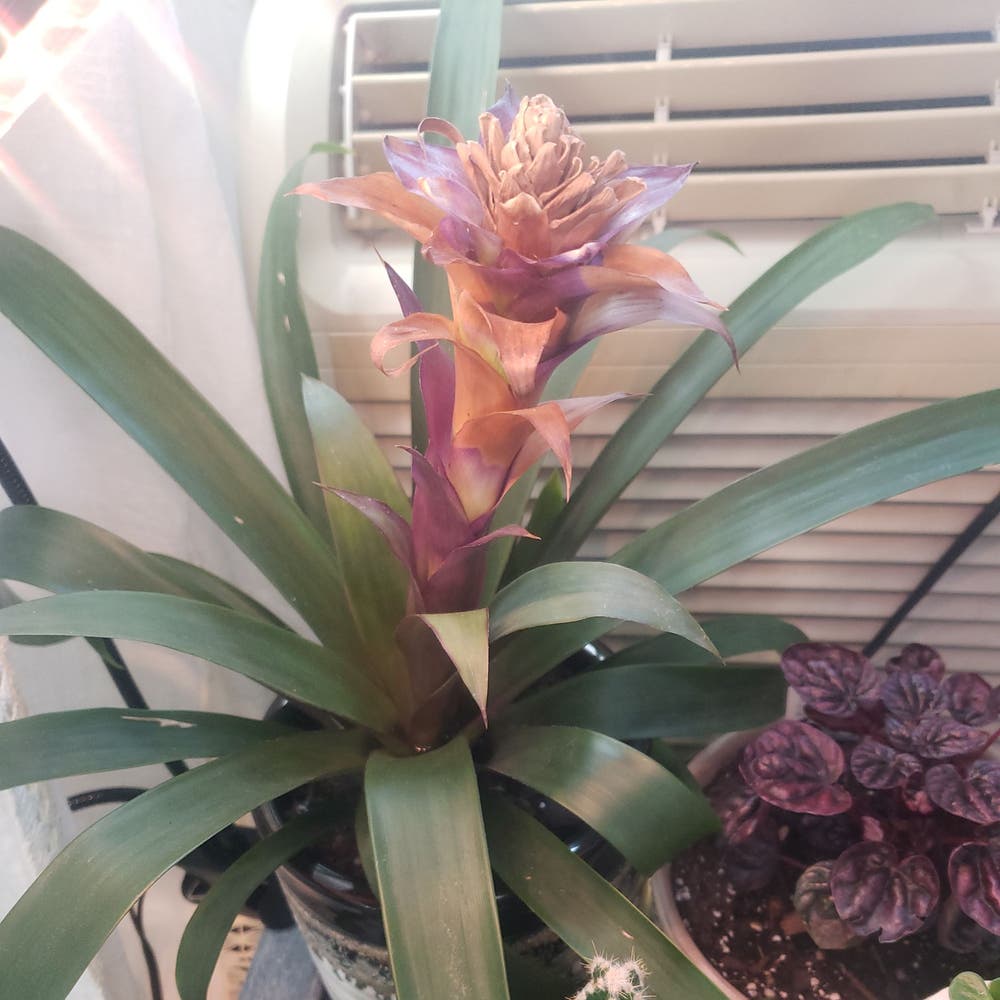
Neoregelia 'Shenba'
By the Greg Editorial Team
Jun 18, 2024•5 min read
This article was created with the help of AI so we can cover more plants for you. May contain errors. See one? Report it here.
- 🌱 Drooping may signal stress or natural life cycle changes.
- 💧 Overwatering harms; let top inch of soil dry before watering.
- ☀️🌡️ Balance light and nutrients to prevent leaf weakness and diseases.
Spotting the Signs: When Bromeliad Leaves Start to Droop
🌿 Identifying the Symptoms
Drooping leaves in Bromeliads can signal a cry for help or a natural progression in the plant's life cycle. When leaves that once stood erect begin to slump, it's time to play plant detective. Look for bending stems and a general appearance of lethargy in your Bromeliad's posture.
⏰ Timing Matters
Understanding the life cycle stage of your Bromeliad is crucial. Post-bloom, the mother plant will naturally start to decline, making way for the "pups" at its base. If your plant's leaves are falling over before flowering or long after, it's likely due to environmental stressors, not age.

Getting to the Root: Common Culprits Behind the Droop
💧 Too Much of a Good Thing: The Perils of Overwatering
Overwatering is like a backhanded compliment; it seems helpful but can actually do more harm than good. Bromeliads are tough, but their roots can't swim. If the soil feels more like a swamp than a garden, it's time to cut back on the H2O.
🌞 Let There Be Light (But Not Too Much): Finding the Sweet Spot for Sunlight Exposure
Bromeliads need their beauty sleep and a bit of shade to avoid a sunburn. Aim for a Goldilocks zone of light — not too dark, not too bright, but just right. If your plant's leaves are fading faster than your favorite jeans, consider relocating it to a spot with indirect sunlight.
🍽️ Feeding Frenzy: How Improper Fertilization Can Lead to Limp Leaves
A balanced diet is key, and the same goes for your Bromeliad. Over-fertilizing is like eating too much junk food — it can lead to a nutrient imbalance. Stick to a fertilizer that's like a well-rounded meal for your plant, and watch it perk up.
🐜 Unwanted Guests: Recognizing Pests and Diseases That Cause Weakness
Pests and diseases are the party crashers of the plant world. Keep an eye out for signs of these uninvited guests, like sticky residue or discolored spots. Fungal infections and root rot can turn your Bromeliad's leaves into a droopy mess, so stay vigilant and act fast at the first sign of trouble.

The Rescue Mission: Turning the Tide on Tumbling Leaves
💧 Drying Out: Watering Wisdom
Overwatering is the arch-nemesis of Bromeliad stability. If your plant's soil feels like a soggy sponge, it's time to back off on the H2O. Adjust your watering routine to when the top inch of soil is dry, and watch your plant thank you with firmer foliage.
☀️ Shining a Light: Sunlight Strategy
Your Bromeliad's leaves reaching out like they're begging for sunlight is a cry for help. Too much sun, and they'll sport sunburns like a tourist at the beach. Modify light conditions gradually; it's a tango between too much and too little. Aim for bright, indirect sunlight to strengthen those leaves.
🌱 A Balanced Diet: Fertilization Fix
Think of fertilization as a vitamin, not a meal replacement shake. Correct nutrient deficiencies with a balanced, water-soluble fertilizer, but don't overdo it. It's about giving your plant a leg up, not a rocket pack.
🐞 Keeping the Bugs at Bay: Pest Control
Pests are the party crashers of the plant world. Effective pest management means playing detective; inspect regularly and act fast. If you spot trouble, prune the affected areas and consider organic or chemical treatments as needed. Remember, a clean plant is a happy plant.
💨 The Air Up There: Humidity and Airflow
If your Bromeliad's leaves are floppier than a deflated balloon, it might be craving some humidity. Consider a pebble tray or a humidifier to up the ante. But don't turn your home into a rainforest; balance is key. And let's not forget about airflow – good circulation keeps the fungal bogeyman at bay.

Prevention is Key: Keeping Your Bromeliad Upright and Thriving
💧 Water Wisdom
Overwatering is the fast track to a droopy, drama-filled Bromeliad. To keep your plant's thirst quenched without drowning it in love, water the soil only when it feels dry to the touch. Remember, the central cup is a Bromeliad's favorite cocktail glass; fill it, but don't let it turn into a swamp. Flush it monthly to prevent a mineral mutiny.
🌞 The Right Rays
Bromeliads are like Goldilocks; they want their light just right. Bright, indirect sunlight will keep them perky without the risk of a leafy sunburn. If your plant's leaves start to resemble crispy bacon, it's time to dial down the solar love affair.
🍽️ Nutrient Know-How
A little fertilizer goes a long way. Use a balanced blend sparingly to avoid turning your Bromeliad into a lazy, bloomless blob. Too much nitrogen is a no-no—it's like feeding your plant junk food, making it grow fast but without the flowers you crave.
🛡️ Vigilance Against Villains
Pests and diseases are the party crashers of the plant world. Keep these uninvited guests at bay with regular check-ups and a keen eye for trouble. Quarantine new plants to prevent an insect invasion, and if pests do show up, show them the door with appropriate treatments. Remember, a healthy Bromeliad is a fortress against the tiny terrors.
⚠️ Safety First
This content is for general information and may contain errors, omissions, or outdated details. It is not medical, veterinary advice, or an endorsement of therapeutic claims.
Always consult a qualified healthcare professional before using any plant as food, medicine, or supplement.
Never eat any plant (or feed one to pets) without confirming its identity with at least two trusted sources.
If you suspect poisoning, call Poison Control (800) 222-1222, the Pet Poison Helpline (800) 213-6680, or your local emergency service immediately.
Spotted an error? Please report it here.
Ensure your Bromeliad stands tall and proud 🍃 by leveraging Greg's custom watering schedules and expert community insights to tackle each leafy challenge.