Why Are My Bromeliad Leaves Curling?
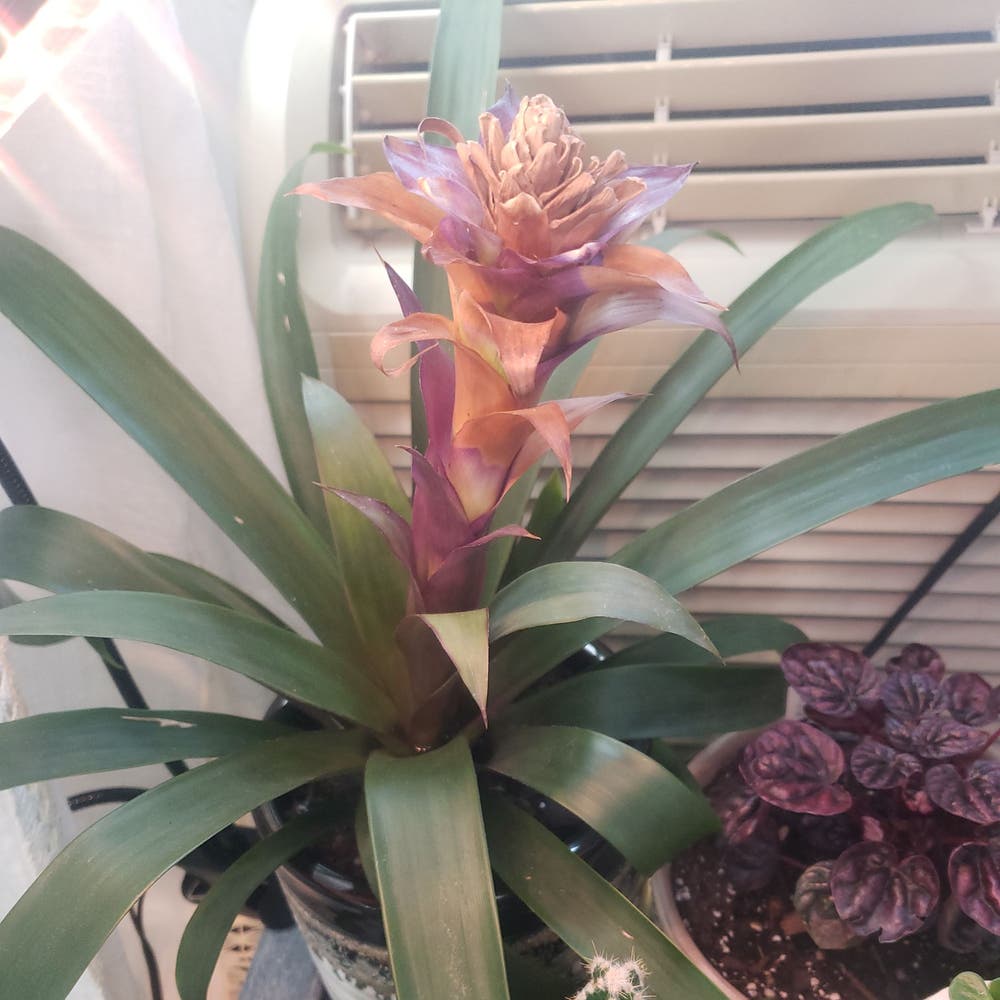
Neoregelia 'Shenba'
By the Greg Editorial Team
Jun 18, 2024•5 min read
This article was created with the help of AI so we can cover more plants for you. May contain errors. See one? Report it here.
- 🌞🌱 Balance light and water to prevent bromeliad leaf curl.
- 🌡️ Regulate temperature and airflow for optimal leaf health.
- 🔄 Consistent care and monitoring keep leaves flat and happy.
Spotting the Curl: Identifying Leaf Curling in Bromeliads
Visual cues: Bromeliad leaves should be firm and arch gracefully. If they're starting to look like a rolled-up scroll or a gymnast's ribbon, that's your first clue. Leaves curling inward signal distress, and crispy edges are a red flag that shouldn't be ignored.
Early detection: Catching these signs early is like defusing a ticking time bomb for your plant's health. Look for subtle changes in leaf posture and texture. A proactive approach can prevent a full-blown crisis, keeping your Bromeliad's leaves flat and fabulous.

Sunburned Spirals: When Light Causes Leaves to Curl
💡 Identifying and Fixing Overexposure
Too much sun can turn your Bromeliad's leaves into a crispy, curly mess. If you notice bleached patches or brown spots, it's time for a sun intervention. Move your plant to a location with bright, indirect light—think of it as a shady retreat from the sun's harsh rays.
💡 Ideal Lighting Conditions for Bromeliads
Finding the sweet spot for your Bromeliad's tan can be a game of inches. Aim for a place where the light is bright enough to keep the leaves vibrant but not so intense that they start to fry. Rotate your plant occasionally to ensure even growth and prevent the one-sided solar embrace. Remember, balance is key; a Bromeliad's ideal lighting condition mimics the dappled sunlight of a forest canopy, not the full glare of a desert noon.

Thirsty Twists: The Role of Water in Leaf Curling
🏜️ Underwatering Woes
Underwatering turns Bromeliad leaves into tight scrolls, a desperate attempt to conserve water. It's like the plant's throwing up a "low fuel" light. To remedy this, water deeply until it drains out the bottom, but only when the soil feels like a dry stand-up comedian—parched and in need of fresh material.
🌊 Overwatering Ordeals
Conversely, overwatering makes leaves sag like a hammock with too much weight. Roots drown in excess moisture, and the plant sends an SOS with downward-curling leaves. To fix this, let the soil dry out to the touch before watering again. Think of it as giving your plant a breather between laps in the pool.
The Goldilocks Zone
Finding the watering sweet spot is key. The soil should feel like a wrung-out sponge—moist, but not a swamp. Use a long-spout watering can for precision, targeting the roots while keeping the leaves high and dry. After all, we're not throwing a pool party for fungi.
Monitoring Moisture
Stay vigilant. Check the soil's moisture with a finger test—top inch dry? Time to water. Still damp? Hold your horses. And remember, the weight of the pot can be your cheat sheet—heavy means hold off, light means let it rain.

Climate Conundrums: Temperature and Airflow Impact
🌡️ Heat Stress: Protecting Your Bromeliad
Heat stress can make your Bromeliad's leaves curl up as if they're trying to escape the sun's wrath. To combat this, shade is your plant's best ally. Create a microclimate that feels like a cool retreat by positioning your Bromeliad away from direct sunlight, especially during the hottest parts of the day. Consider using sheer curtains to diffuse intense rays.
🥶 Chilly Curls: What to Do When Your Plant is Too Cold
Bromeliads aren't fans of the cold shoulder. If you notice chilly curls, it's time to move your plant to a warmer spot. Keep the temperature consistently above 50°F and away from drafty windows or doors. Your plant will thank you by keeping its leaves unwound and relaxed.
💨 Breathe Easy: Ensuring Proper Air Circulation for Leaf Health
Air circulation is the unsung hero of plant health. It's crucial for preventing fungal infections and providing your Bromeliad with fresh CO2. But beware of drafts—they're the silent assassins of stable temperatures. Ensure good airflow by placing your plant in an area where the air can move freely, but isn't subject to gusts from open windows or vents.
💃 The Invisible Dance Partner: Humidity and Temperature
Humidity and temperature go hand-in-hand like a choreographed dance. Too low, and your Bromeliad's leaves might curl tighter than a roll of quarters. Too high, and you're inviting pests and diseases to the party. Aim for a humidity level that complements the temperature, creating a comfortable environment for your plant to thrive in.
Nip the Curl in the Bud: Prevention and Long-Term Care
🔄 Establishing a Routine
Consistency is your bromeliad's best friend. Like clockwork, water and inspect your plant. Underwatering and overwatering are both culprits of leaf curling, so keep the soil moist but not soggy. Remember, your bromeliad isn't a camel or a fish; it likes balance.
🌱 Monitoring and Adapting
Stay on your toes and adapt to your bromeliad's feedback. If it's throwing shade via curled leaves, it might be getting too much sun. Dial back on the rays to keep your plant from going full vampire and shunning the light.
💧 Water Quality and Feeding
Use filtered or rainwater to avoid unwanted chemicals. And when it comes to feeding, think of it as a light snack rather than a feast. A diluted, bromeliad-friendly fertilizer every month during the growing season will do. No copper, unless you're aiming for a plant crime scene.
🌡️ Temperature and Airflow
Keep the thermostat steady; your bromeliad isn't a fan of surprise weather changes. Air circulation is key, so don’t suffocate your green buddy with stagnant air. Think of it as needing a gentle breeze, not a hurricane.
🛡️ Proactive Care
Regularly check for pests and diseases. Catching these party crashers early can save your bromeliad from turning into a botanical horror story. And if you see a pup, celebrate! It's the circle of life, and your chance to start the bromeliad saga anew.
⚠️ Safety First
This content is for general information and may contain errors, omissions, or outdated details. It is not medical, veterinary advice, or an endorsement of therapeutic claims.
Always consult a qualified healthcare professional before using any plant as food, medicine, or supplement.
Never eat any plant (or feed one to pets) without confirming its identity with at least two trusted sources.
If you suspect poisoning, call Poison Control (800) 222-1222, the Pet Poison Helpline (800) 213-6680, or your local emergency service immediately.
Spotted an error? Please report it here.
Ensure your bromeliad's leaves stay radiant and relaxed 🍃 by letting Greg tailor your plant's care to prevent curling with spot-on watering and light reminders.