Top 4 Tips to Prevent Your Bromeliad Wilting
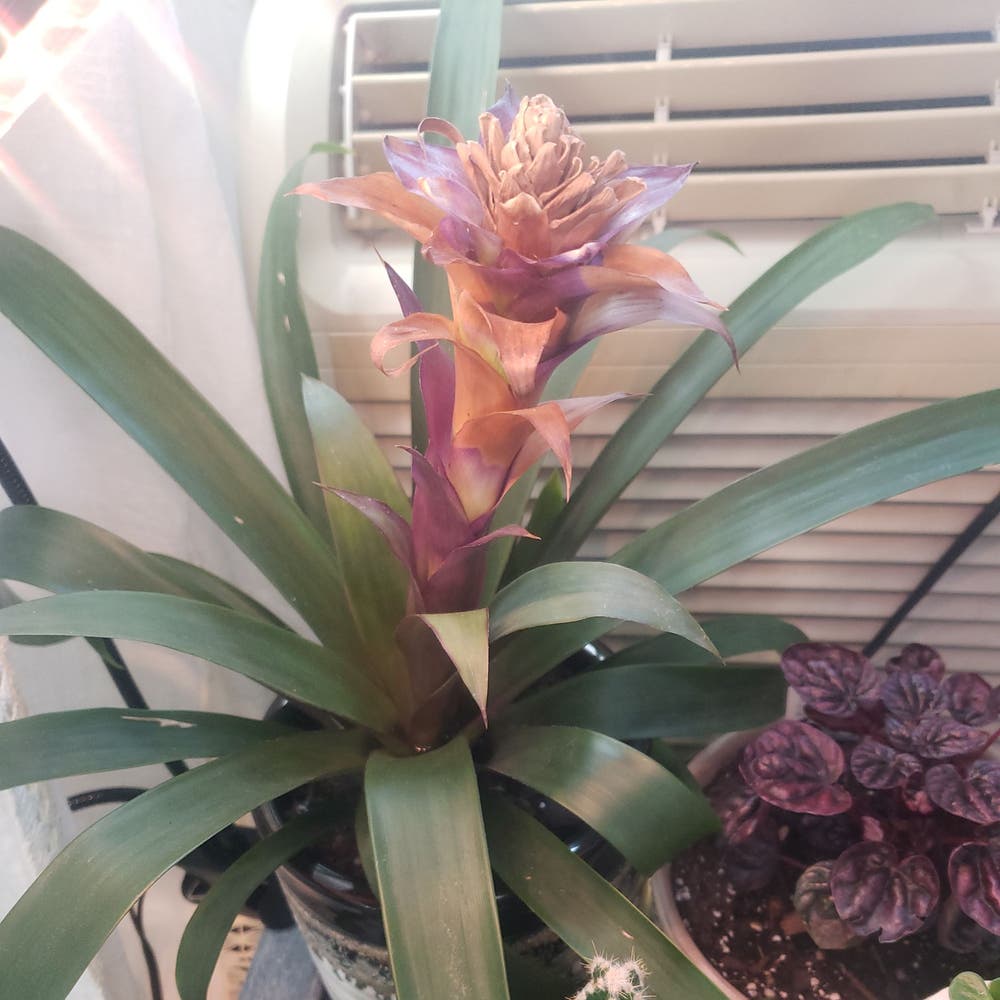
Neoregelia 'Shenba'
By the Greg Editorial Team
Jul 26, 2024•6 min read
This article was created with the help of AI so we can cover more plants for you. May contain errors. See one? Report it here.
- 💧🌡️ Balance water and temperature to prevent wilting; avoid soggy or dry extremes.
- 🌱 Diagnose with soil check, ensuring moisture levels are optimal for Bromeliad health.
- ✂️ Revive with pruning and bottom watering if wilting occurs, and seek expert advice if needed.
Identifying Wilting Causes
Wilting Bromeliads can leave plant owners scratching their heads. Let's dive into the common culprits.
💧 Water Stress Signs
Watering woes often manifest as wilting in Bromeliads. Here's what to look for:
- Overwatering: Yellowing leaves, a soggy base, or a rotten smell.
- Underwatering: Dry, crispy leaf edges, and leaves curling inward.
Remember, Bromeliads prefer their soil just moist, not drenched or bone-dry.
🔥 Heat Stress Impact
Bromeliads are not fans of the extreme sauna treatment. Heat stress can cause:
- Leaves to curl or become brittle.
- A faded or burnt appearance, especially if exposed to direct sunlight.
They thrive in warm, but not scorching, conditions—think tropical, not desert.
🦠 Disease Consideration
Disease-related wilting is less common but worth mentioning. Keep an eye out for:
- Unusual spots or growths on leaves.
- A rapid decline in plant health despite proper care.
Most Bromeliad diseases stem from poor watering practices, so getting that right is half the battle.
Diagnosing Wilting Issues
Wilting Bromeliads can leave you scratching your head. Let's dive into how to pinpoint the problem and get your plant back on track.
🌱 Soil Moisture Check
Checking your Bromeliad's soil moisture is like playing detective; it tells you a lot about what's going on beneath the surface. Here's how to get it just right:
- Feel the soil about an inch deep. If it's dry, it's time to water; if it's soggy, ease up on the H2O.
- Use a moisture meter for a more precise reading. It's like having a secret weapon against over or underwatering.
🌍 Environmental Assessment
Your Bromeliad's environment is its world. Make sure it's a comfy one:
- Bright, indirect light is your Bromeliad's best friend. Too much direct sun can cause a meltdown.
- Keep the temperature steady. Wild swings can stress your plant out.
- Aim for that humidity sweet spot. Not too muggy, not too dry. Just like Goldilocks, your Bromeliad likes it just right.
Remember, a happy Bromeliad is all about balance. With these tips, you're well on your way to mastering the art of Bromeliad care.
Treating Wilting Bromeliads
Wilting Bromeliads can often be revitalized with the right approach to water and temperature management.
🚰 Correcting Water Imbalance
Overwatering and underwatering can both lead to wilting, but they can be corrected with these steps:
- Check the soil moisture using your finger or a moisture meter. The top inch should be dry before watering again.
- For overwatered Bromeliads, allow the soil to dry out and empty the central cup to prevent root rot.
- If underwatered, slowly reintroduce water by filling the central cup and lightly moistening the soil.
- Ensure proper drainage by using a pot with drainage holes and a well-draining soil mix.
- Adjust your watering schedule according to the season, with less frequent watering in cooler months.
🌡️ Managing Temperature
Bromeliads prefer warm, consistent temperatures. Here's how to protect them from heat stress:
- Keep your Bromeliad in a spot with bright, indirect sunlight to avoid leaf scorch.
- Maintain an ideal temperature range of 60-80°F (15-27°C) and protect from cold drafts.
- Increase humidity around the plant using a tray of water with pebbles or regular misting, especially in dry climates.
- During extreme heat, relocate your Bromeliad to a cooler area temporarily or provide shade to prevent wilting.
By closely monitoring and adjusting your Bromeliad's water and temperature conditions, you can often prevent and treat wilting, helping your plant to thrive.
Preventing Future Wilting
💧 Watering Best Practices
Bromeliads thrive with just the right amount of water. Here's how to keep the balance:
- Water when the top inch of soil feels dry to the touch, avoiding a soggy environment.
- Use a watering can to control the amount of water and prevent wet foliage.
- Allow the water to drain thoroughly, ensuring roots aren't left in standing water.
- Adjust your watering schedule with the changing seasons—more in the heat, less in the cool.
🌿 Environmental Optimization
Creating the perfect home for your Bromeliad means paying attention to its surroundings:
- Maintain a temperature range of 60-80°F (15-27°C) to mimic its natural habitat.
- Ensure bright, indirect light; direct sunlight can scorch leaves, while too little light weakens the plant.
- Keep humidity levels above 50% using misters or a water hose with a soft spray setting.
- Promote good airflow around the plant to prevent disease; a gentle breeze is ideal.
- Rotate the pot occasionally for even growth and to deter pests.
Revival Techniques
💧 Rehydration Methods
Reviving a wilted Bromeliad can often start with proper hydration. Here's how to use bottom watering to your advantage:
- Place your Bromeliad's pot in a shallow tray of water, allowing it to soak up moisture from the bottom.
- Leave the plant to absorb water for about 30 minutes to an hour, or until the topsoil feels moist.
- Remove the plant from the tray and let any excess water drain to avoid root rot.
✂️ Pruning for Health
Pruning isn't just about aesthetics; it's vital for the health of your Bromeliad:
- Use sterilized scissors or pruning shears to trim off any brown or damaged leaves at their base.
- Cutting away dead material helps the plant focus its energy on new growth and recovery.
- Remember to prune sparingly, as over-pruning can stress the plant further.
Seeking Expert Advice
🌿 Recognizing Persistent Problems
When your Bromeliad's leaves continue to wilt despite your best efforts, it's time to tap into external expertise. Here's when and how to seek professional help:
- Persistent Symptoms: If wilting persists for several weeks or worsens, despite following care guidelines.
- Unusual Signs: When you notice symptoms that don't align with common wilting causes like water or heat stress.
- Expert Consultation: Reach out to local nurseries or plant clinics for a hands-on diagnosis.
- Photographic Evidence: Take clear photos of your plant to help experts diagnose the issue remotely, if necessary.
🌱 Leveraging Community Support
Don't overlook the wealth of knowledge available in online plant care communities. Here's how to make the most of these platforms:
- Online Forums: Platforms like Reddit's houseplant discussion groups or Greg offer a space to share your plant's condition and receive advice.
- Social Media: Utilize Instagram or Facebook groups to connect with fellow Bromeliad enthusiasts for tips and support.
- Local Gardening Clubs: Joining a local gardening club can provide you with insights specific to your region's climate and conditions.
Remember, seeking help is a proactive step towards reviving your Bromeliad. With the collective wisdom of plant lovers and experts, you're not alone in this green-thumbed journey.
⚠️ Safety First
This content is for general information and may contain errors, omissions, or outdated details. It is not medical, veterinary advice, or an endorsement of therapeutic claims.
Always consult a qualified healthcare professional before using any plant as food, medicine, or supplement.
Never eat any plant (or feed one to pets) without confirming its identity with at least two trusted sources.
If you suspect poisoning, call Poison Control (800) 222-1222, the Pet Poison Helpline (800) 213-6680, or your local emergency service immediately.
Spotted an error? Please report it here.
Revive your Bromeliad's spirits and leaves 🍃 with Greg's community insights and tailored reminders, ensuring it never wilts from neglect!