Why Are My Bromeliad Leaves Mushy?
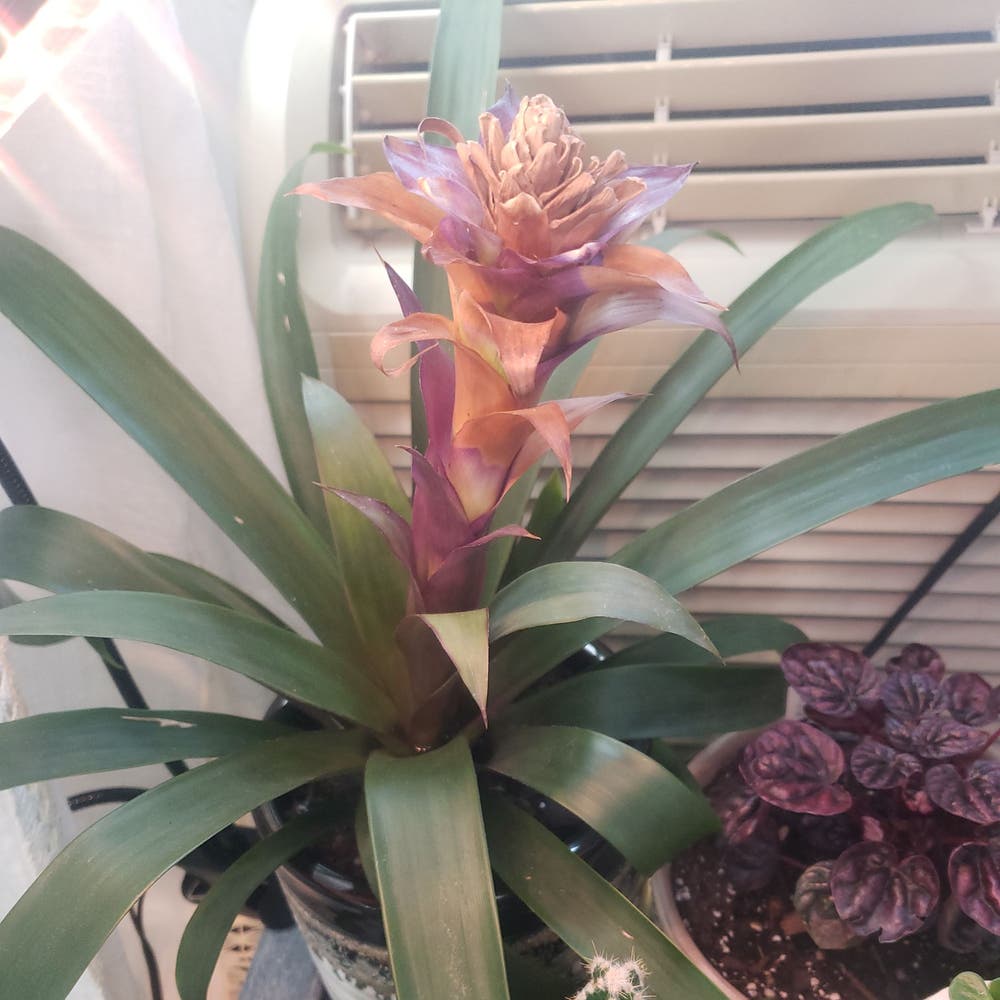
Neoregelia 'Shenba'
By the Greg Editorial Team
Jun 18, 2024•5 min read
This article was created with the help of AI so we can cover more plants for you. May contain errors. See one? Report it here.
- 🚫 Overwatering and poor drainage lead to mushy Bromeliad leaves.
- 🌱 Root rot thrives in wet conditions; look for yellow patches and odor.
- 💧🌿 Rescue with dry-out, root check, and repot in well-draining soil.
Spotting the Trouble
🚩 Signs of Mushiness
Yellow patches on your Bromeliad's leaves are like red flags on a beach – they signal danger. If the leaves have gone from stiff to soggy, and you can press into them as if they were an overripe peach, it's time to sound the alarm. Brown, limp leaves often accompany this texture change, hinting at root rot lurking below.
🕵️ Quick Self-Diagnosis
Get hands-on. If the leaves of your Bromeliad collapse under a gentle squeeze, they're not just being dramatic – they need help. A healthy Bromeliad should resist your poke like a fresh salad leaf, not a wilted spinach. If the center of your plant emits an unpleasant odor or looks more brown than green, it's a telltale sign of crown rot. Leaves that detach with a light tug are sending an SOS – they shouldn't fall off like leaves in autumn.
Remember, your Bromeliad's leaves should be a vibrant, firm extension of its core, not a mushy mess. If you're witnessing a sad droop or a color that's more gray than great, your plant is crying out for an intervention. Keep an eye out for rust-colored bumps or white spots – these are the graffiti tags left by fungal diseases, and they're not the kind of art you want on your plant.

Common Culprits Behind the Mush
🌊 Overwatering Woes
Too much water is like a bad relationship for your Bromeliad—it's suffocating. The leaves turn into a soggy mess, and the plant's health takes a nosedive. Signs of overwatering include leaves that are more yellow than a banana and softer than a ripe avocado. If your Bromeliad's stem feels like a squishy sponge, you're in deep water—literally.
🚱 Drainage Dilemmas
Poor drainage is the silent killer in the plant world. It's the equivalent of wearing wet socks all day—uncomfortable and just plain wrong. If your Bromeliad is sitting in water, it's a sign that your potting setup is more of a swimming pool than a home. Check for large drain holes in your pot; if they're missing or too small, it's time for a pot intervention.
🦠 The Root Rot Connection
Root rot is the grim reaper of the plant kingdom, and it loves wet conditions. It's a sneaky adversary, often going unnoticed until it's too late. Dark, mushy roots and a plant that looks like it's lost its will to live are the telltale signs of this fungal fiend. If your Bromeliad's color palette is more grayish-green than vibrant, you might be dealing with root rot. It's a cry for help—your plant is basically saying, "I can't breathe down here!"

Turning Things Around
💦 Rescuing Overwatered Bromeliads
Overwatering is like giving your Bromeliad a bath when it only asked for a shower. First step: halt all watering and let the soil dry out. Root check: gently remove your plant from its pot to inspect for soggy, brown roots—healthy ones are firm and white. If the roots are mushy, trim the damaged parts with sterilized scissors. Repot: use fresh, well-draining soil and a pot with proper drainage holes. Then, resist the urge to water immediately; give it a few days to settle in and recover from the trauma.
🌪 Fixing the Flow
Poor drainage is a silent killer. Elevate your game: literally. Raise the pot off the ground to encourage airflow and drainage. Mix it up: amend the soil with materials like perlite or coarse sand to improve water flow. Hole-y pots: ensure your pot has enough drainage holes. If not, it's time for a new home for your Bromeliad. Remember, a pot without holes is a pool of despair for your plant's roots.
☠️ Root Rot Rehab
Root rot is the zombie apocalypse for plants—it turns vibrant roots into the walking dead. Unearth the problem: remove your plant from its pot and shake off excess soil to reveal the extent of the rot. Surgical precision: cut away all the mushy, dark roots until you're left with nothing but healthy tissue. Dry spell: let the plant air out before repotting to help the cuts heal. Fresh start: repot in a clean container with drainage holes and a well-draining soil mix. Water sparingly and keep an eye out for new growth—it's a sign your Bromeliad is on the mend.

Keeping the Mush at Bay
💧 Watering Wisdom
Watering your Bromeliad is less about sticking to a rigid schedule and more about tuning into its needs. Let the soil dry out completely between waterings—think parched, not damp. Overwatering is a common misstep leading to mushy leaves, so wait until the soil feels like a dry martini to the touch before giving it a drink.
🌱 Soil and Pot Perfection
Choosing the right soil and pot is crucial to avoid future mushiness. Use a well-draining mix and always opt for pots with drainage holes. It's like setting up a good support system for your plant. For an extra layer of protection, add a layer of pebbles at the bottom of the pot—it's not just for show, it acts like a mini drainage system. Remember, your Bromeliad's roots crave breathability, so give them space to thrive in a pot that's roomy enough, but not too vast.
⚠️ Safety First
This content is for general information and may contain errors, omissions, or outdated details. It is not medical, veterinary advice, or an endorsement of therapeutic claims.
Always consult a qualified healthcare professional before using any plant as food, medicine, or supplement.
Never eat any plant (or feed one to pets) without confirming its identity with at least two trusted sources.
If you suspect poisoning, call Poison Control (800) 222-1222, the Pet Poison Helpline (800) 213-6680, or your local emergency service immediately.
Spotted an error? Please report it here.
Revive your Bromeliad from mushy despair by letting Greg remind you 🚦 when it's the perfect time to water, ensuring your plant's health and happiness.