🌞 Does My Bromeliad Need Direct Sunlight?
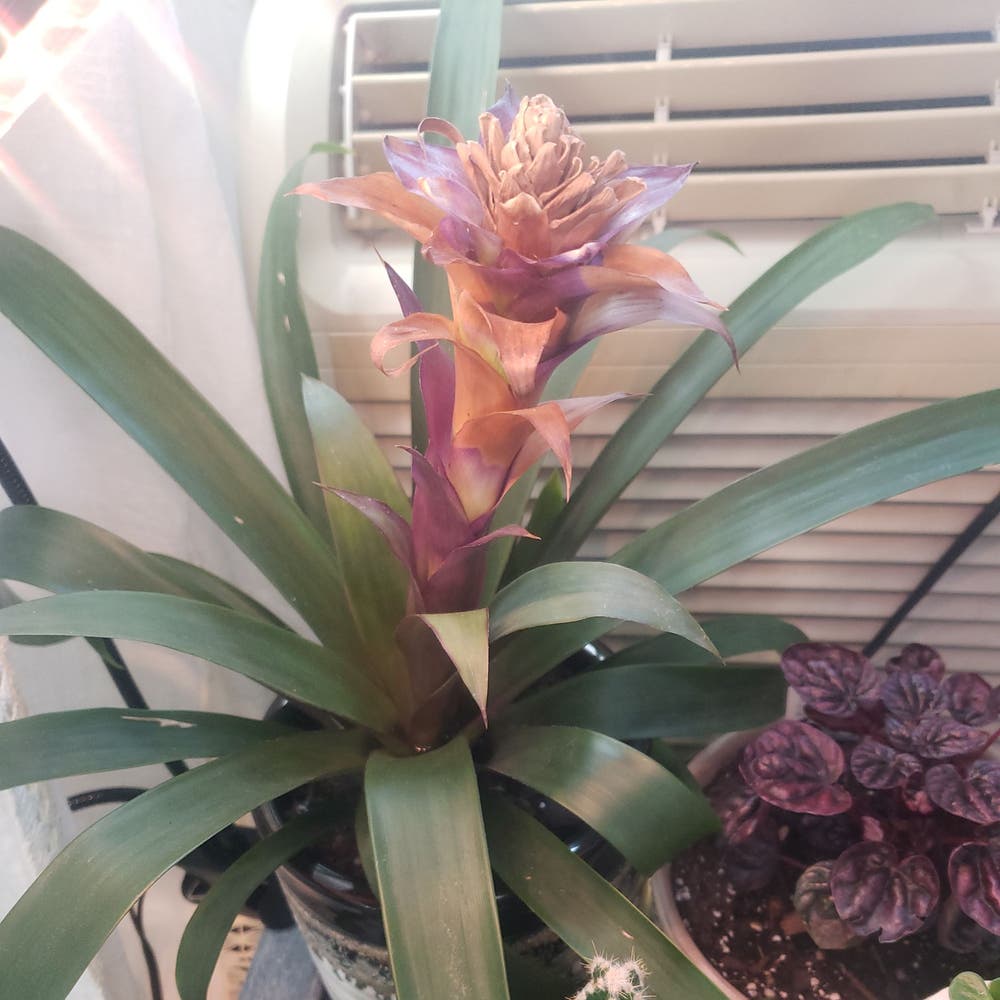
Neoregelia 'Shenba'
By the Greg Editorial Team
Jun 18, 2024•3 min read
This article was created with the help of AI so we can cover more plants for you. May contain errors. See one? Report it here.
- 🌤️ Bright indirect light is best for most bromeliads, direct sun for spiky types.
- 🍂 Brown patches indicate sunburn; move to shade, then slowly reintroduce light.
- 🔄 Rotate pot, adjust with seasons for consistent care and even growth.
Sunlight Decoded for Bromeliad Buddies
🌞 What is Direct Sunlight?
Imagine the sun is a spotlight in a theater—direct sunlight is when your bromeliad is center stage, basking in the full, unfiltered glow. Indirect sunlight, on the other hand, is like sitting in the audience; the light is there, but it's softer, more diffused, not shining directly on you.
🎯 Bromeliad's Sweet Spot
Bromeliads are like Goldilocks when it comes to their sun preference; they want it just right. Most bromeliads will thrive in bright indirect light. The spikier the leaves, think Neoregelia, the more they can handle a bit of direct sun. But those with softer, greener leaves often prefer less light and a bit more water. It's all about finding that sweet spot where your bromeliad can soak up the light without getting a sunburn.

When Bromeliads Get Too Much Sun
🌞 Signs of a Sunburnt Bromeliad
Bromeliads are not drama queens, but they do communicate distress. Brown patches on leaves scream 'too much sun!' and are the plant's version of a sunburn. If the foliage sports bleached white areas, it's the plant equivalent of a human's peeling sunburn. These are clear distress signals that your bromeliad is soaking up more rays than it can handle.
🚑 First Aid for Sun-Struck Bromeliads
Caught your bromeliad turning crispy? Relocate it to a shadier spot, stat. This is your plant's SOS for less light. If the leaves are curling, it's time to hydrate; think of it as applying aloe to a sunburn. Gradually reintroduce your bromeliad to brighter spots to avoid future sun shock. Remember, it's about finding that sweet spot where your bromeliad can bask without baking.

Setting Up the Perfect Sunbathing Spot
🌞 Window Wisdom
Finding the right window for your bromeliad isn't just about throwing open the nearest curtain. It's about matching the plant's love for light with the direction your window faces. East or west-facing windows? You've hit the jackpot for bromeliads craving that bright, but not too harsh, sunlight. South-facing windows can work too, but you might need to play it cool with some sheer curtains to avoid a crispy critter.
🌍 Hemisphere Hints
The sun plays favorites depending on which side of the equator you're on. In the Northern Hemisphere, south-facing windows are the go-to for the most light. Flip that if you're down under in the Southern Hemisphere—north-facing windows are your bromeliad's best friend. But remember, the sun has a wandering eye, changing angles with the seasons. Keep an eye out and shuffle your bromeliad around to keep that light just right.

Seasonal Sun Shifts and Bromeliad Care
🌞 Summer vs. Winter Sun Strategies
Bromeliads need season-smart positioning. Summer's intense rays necessitate a retreat to shadier realms or behind sheer curtains. In winter, cozy up your bromeliad closer to the light source to compensate for the weaker sun. Remember, these tropical treasures dislike the cold shoulder, so keep them away from frosty windows.
🌱 Long-Term Love for Your Sun-Loving Bromeliad
Consistency is key for a year-round bromance with your Bromeliad. Track the sun's trek across the sky; your plant's spot might need tweaking. Rotate the pot every now and then for even growth. And don't get lazy with the shades—too much sun leads to a crispy critter, not a lush leafy friend. Keep the love alive with a vigilant eye and a steady hand.
⚠️ Safety First
This content is for general information and may contain errors, omissions, or outdated details. It is not medical, veterinary advice, or an endorsement of therapeutic claims.
Always consult a qualified healthcare professional before using any plant as food, medicine, or supplement.
Never eat any plant (or feed one to pets) without confirming its identity with at least two trusted sources.
If you suspect poisoning, call Poison Control (800) 222-1222, the Pet Poison Helpline (800) 213-6680, or your local emergency service immediately.
Spotted an error? Please report it here.
Find the perfect spot for your bromeliad and avoid the crispy-leaf conundrum with Greg's custom reminders to rotate 🔄 or shift your green friend, ensuring it gets just the right amount of sun year-round.