My Bromeliad Leaves Are Turning Yellow. What Should I Do?
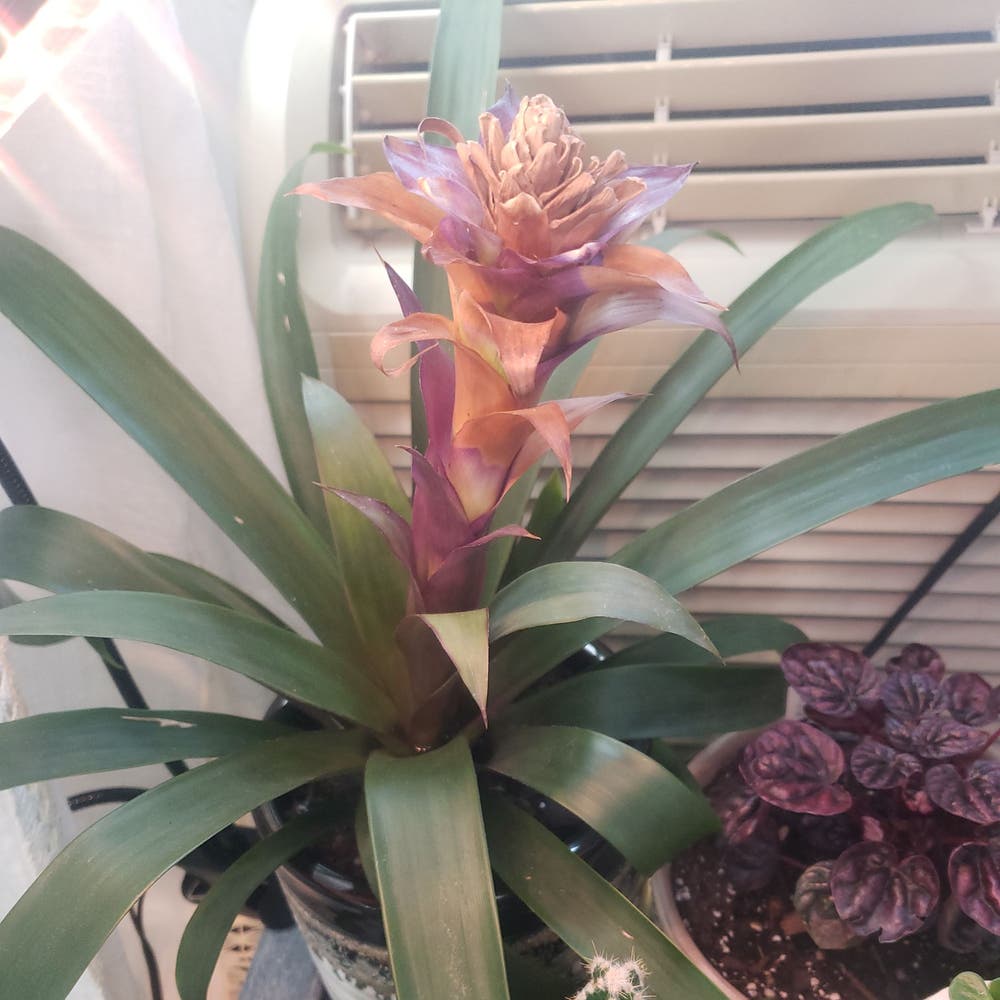
Neoregelia 'Shenba'
By the Greg Editorial Team
Jun 14, 2024•4 min read
This article was created with the help of AI so we can cover more plants for you. May contain errors. See one? Report it here.
- Water wisely: Adjust watering with seasons and check soil moisture.
- Light is key: Ensure medium to bright indirect sunlight for your bromeliad.
- Pest checks: Regularly inspect and treat pests to prevent yellow leaves.
Spot the Clues: Identifying Why Your Bromeliad's Leaves Are Yellow
💧 Check the Watering: Too Much or Too Little?
Yellow leaves on your bromeliad can be a watering mishap. Overwatering makes leaves yellow and soggy, while underwatering leaves them dry and lifeless. Check the soil before watering—only water when it's nearly dry.
💡 Let There Be Light: Is Your Plant Getting Enough?
Lighting issues can turn leaves yellow. Bromeliads thrive in medium to bright indirect sunlight. If your plant's in a dim corner, it's time for a move. But dodge direct sunlight; it's a one-way ticket to leaf burn.
🐜 Unwanted Guests: Are Pests to Blame?
Pests like spider mites could be yellowing your bromeliad. Inspect leaves for tiny freeloaders and show them the door with insecticides. Remember, a healthy plant can fight off pests better, so keep those watering and lighting conditions in check.
Turn the Tide: Fixing the Yellowing Leaves
🚰 Balancing the Watering Act
Watering your Bromeliad is less about sticking to a strict schedule and more about observing your plant's needs. Overwatering can lead to root rot, while underwatering can cause dehydration. Here's how to get it right:
- Check the soil moisture before watering. If it's dry an inch below the surface, it's time to water.
- Water thoroughly until it drains out of the bottom, but never let your Bromeliad sit in water.
- Adjust frequency with the seasons—less in winter, more in summer.
🌞 Adjusting the Spotlight
Bromeliads are Goldilocks when it comes to light—they want it just right. Too much light can scorch leaves, too little can cause them to yellow and weaken. To adjust light exposure:
- Move your plant closer to or further from the window to find the sweet spot.
- Rotate your Bromeliad periodically to ensure even light distribution.
🐜 Pest Eradication Mission
Pests like mealybugs and nematodes can turn leaves yellow. To create a pest-free zone:
- Inspect regularly for signs of pests, especially under leaves and near the soil.
- Wipe down leaves with a soft cloth and soapy water to remove pests.
- Use insecticidal soap or neem oil for more severe infestations, but always test a small area first.
Remember, the key to reviving your Bromeliad is to observe and respond to its unique needs. With some tweaks to watering, lighting, and pest control, you'll have those leaves back to vibrant green in no time.
Keeping the Green: Preventing Future Yellowing
💧 Water Wisdom: Establishing a Smart Watering Schedule
Consistency is your plant's best friend when it comes to watering. To keep those roots ecstatic and leaves a lush green, establish a watering routine that's just like your favorite weekly TV show—regular and eagerly anticipated. Adjust the amount of water with the seasons; your plant doesn't want to swim in the winter.
- Use a soil moisture meter to take the guesswork out of watering.
- Let tap water sit to evaporate chlorine or use filtered water to prevent tip burn.
- Water at the base, not from above, to keep fungal foes at bay.
- Mulch is your ally in maintaining moisture, but keep it away from the stem to avoid rot and pest parties.
☀️ Light It Right: Ensuring Adequate Sunlight
Your Bromeliad doesn't want to tan; it just needs the right amount of sunlight to thrive. Keep an eye on it like it's the last cookie in the jar—too much light and it'll crumble; too little and it'll go stale. If your home is more cave than greenhouse, consider a grow light to brighten things up.
- Monitor your plant regularly for signs of light distress.
- Adjust the plant's position to avoid direct sunlight that can scorch, or dark corners where it can wither.
🐜 Pest Patrol: Regular Inspections and Preventive Treatments
Be the Sherlock Holmes of plant care with regular inspections. Pests are sneaky, but catch them early, and it's game over for the critters. Think of it as a routine security check for your leafy friends. And remember, a clean plant is a strong plant—wipe those leaves down.
- Quarantine new plants to prevent an undercover pest invasion.
- Use clean, sharp tools for pruning to avoid spreading any plant diseases.
- Implement preventive treatments, but don't go overboard—too much love can be just as harmful as neglect.
⚠️ Safety First
This content is for general information and may contain errors, omissions, or outdated details. It is not medical, veterinary advice, or an endorsement of therapeutic claims.
Always consult a qualified healthcare professional before using any plant as food, medicine, or supplement.
Never eat any plant (or feed one to pets) without confirming its identity with at least two trusted sources.
If you suspect poisoning, call Poison Control (800) 222-1222, the Pet Poison Helpline (800) 213-6680, or your local emergency service immediately.
Spotted an error? Please report it here.
Keep your bromeliad's leaves radiantly green 🌿 with Greg's custom watering schedule and light positioning tips, ensuring your plant thrives in its environment.