Ultimate Guide to Indoor Bromeliad Care
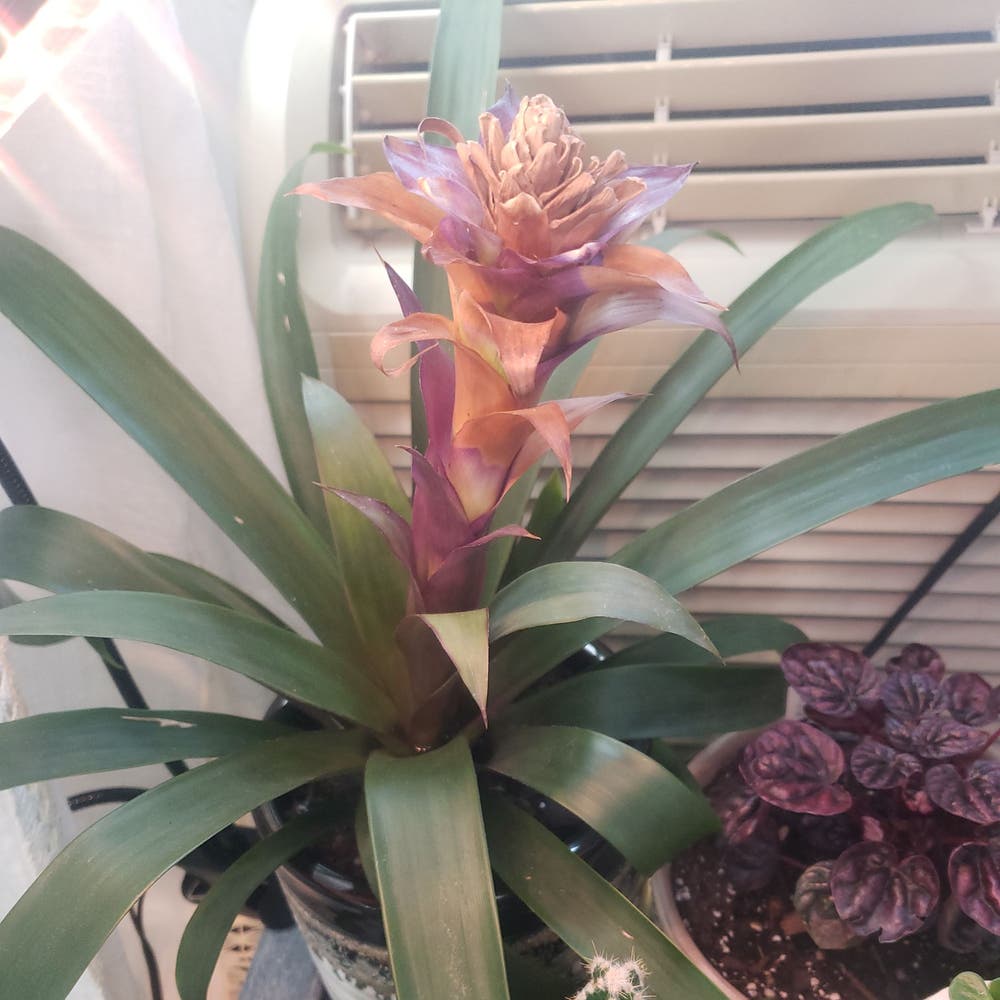
Neoregelia 'Shenba'
By the Greg Editorial Team
Jul 26, 2024•7 min read
This article was created with the help of AI so we can cover more plants for you. May contain errors. See one? Report it here.
- 🌞 Bright, indirect light is ideal; use sheer curtains or grow lights.
- 💦 Water deeply, then dry; ensure pots have drainage holes.
- 🌡️🌱 Maintain 65-80°F and high humidity; use a well-draining soil mix.
Optimal Lighting
Bromeliads flourish in light that mimics their native habitats. Here's how to get it just right.
💡 Understanding Indoor Light Levels for Bromeliads
Bright, indirect light hits the sweet spot for bromeliads, fostering vibrant colors without the harshness of direct rays. To gauge your indoor light levels:
- Use a light meter or your observations—plants stretching towards the window are signaling for more light.
- Rotate your bromeliad occasionally to ensure even exposure and prevent lopsided growth.
🛡️ Mitigating Direct Sunlight Exposure
Direct sunlight can be too intense, leading to leaf burn. Protect your bromeliads by:
- Placing them near east or west-facing windows where the light is gentler.
- Employing sheer curtains to diffuse strong sunlight, especially during peak hours.
🌟 Selecting and Using Grow Lights
Grow lights can be a game-changer, especially in spaces lacking natural light. When choosing grow lights:
- Opt for full-spectrum LED lights to cover all the wavelengths your bromeliad needs.
- Consider adjustable panels or hanging pendants for tailored light intensity, from a soft glow to a bright beam.
- Set up automated schedules with smart systems to mimic natural day and night cycles.
Remember, light needs can vary among bromeliad species, so observe your plant's response and adjust accordingly.
Watering Techniques
Bromeliads have unique watering needs that differ from many other indoor plants. Here's how to get it right.
Mastering Watering Frequency and Methods
- Observe your Bromeliad's soil moisture before watering; the top inch should be dry to the touch.
- Water deeply until it drains from the bottom, then wait for the soil to dry out before the next session.
- Use a moisture meter or the pot's weight as guides to avoid over-watering.
- In windy seasons or during drought, increase watering frequency but maintain good drainage to prevent waterlogging.
🚰 Ensuring Proper Drainage
- Choose pots with drainage holes to let excess water escape, avoiding soggy soil conditions.
- After watering, empty any collected water from the pot's saucer to prevent root rot.
- Consider repotting with a well-draining potting mix if you notice water isn't seeping through as it should.
- For a more consistent moisture level, try bottom watering, allowing the plant to absorb water from the bottom up.
Humidity Control
Bromeliads aren't just plants; they're tropical treasures that crave a humid embrace. Let's dive into how to keep them blissfully moist.
🌴 Assessing Bromeliad Humidity Preferences
Humidity is like an invisible nutrient for Bromeliads, and getting it right is crucial. Here's how to tell if your plant is parched or drowning in moisture:
- Too Dry: Brown, crispy leaf tips are a distress signal for more humidity.
- Too Wet: Brown, soggy spots on leaves could mean there's too much moisture in the air.
🌧 Implementing Humidity Solutions
Now, let's talk about how to hit that humidity sweet spot:
- Monitor: Use a hygrometer to keep tabs on humidity levels. Remember, consistency is key, so check regularly.
- Mist: A fine spray from a misting bottle can boost humidity, especially on hot days.
- Group: Place your Bromeliads together to create a microclimate of shared moisture.
- Pebble Tray: Set your pot above a water-filled tray with pebbles to provide a stable source of humidity.
- Humidifier: For a more hands-off approach, a room humidifier can maintain ideal conditions.
Remember, balance is everything. Adjust your methods to ensure your Bromeliads are living in their own slice of tropical heaven, right inside your home.
Ideal Temperature and Soil
🌡️ Maintaining Temperature Consistency
Bromeliads are tropical plants, so they enjoy a warm and stable environment. Aim to keep your indoor space between 65-80°F during the day and not below 60°F at night. Sudden temperature drops can stress your plant, so avoid placing it near drafty windows or doors. Consider using heating mats or small space heaters to maintain consistency, especially in winter.
🌱 Choosing and Mixing the Right Soil
The right soil mix is critical for Bromeliad health. It should be well-draining to prevent root rot, yet capable of retaining enough moisture for the plant's needs. Here's a simple recipe to create the ideal home for your Bromeliad's roots:
- Combine 2 parts potting soil or coconut coir as a base.
- Mix in 1 part perlite or fine sand to improve drainage.
- Add 1 part pine bark fines to mimic their natural growing conditions. Remember, a well-prepared soil mix is like a comfortable home for your plant's roots, providing the perfect balance of air and moisture.
Fertilization Schedule
Deciphering Fertilizer Types and Ratios
🌿 Bromeliads thrive with the right nutrition, and understanding fertilizer types is key. Look for a balanced mix of nitrogen, phosphorus, and potassium—often labeled as NPK on fertilizer packages. A ratio such as 10-10-10 is a good starting point. However, Bromeliads are sensitive to over-fertilization, so it's wise to use a half-strength solution.
- Choose a balanced fertilizer with micronutrients.
- Dilute to half-strength to avoid overfeeding.
Timing Fertilization for Bromeliad Health
🕰 The timing of fertilization is just as crucial as the type. Bromeliads have varying needs depending on their growth phase. During active growth, typically in the warmer months, fertilize regularly but sparingly. As growth slows down in the cooler months, so should your fertilization frequency.
- Fertilize during active growth, reduce in dormancy.
- Keep a log to track fertilization and plant health.
- Use calendar reminders to maintain a consistent schedule.
Pest Prevention and Management
🐜 Identifying Common Indoor Pests
Bromeliads can play host to a few unwelcome guests. Spider mites, mealybugs, and thrips are the usual suspects. They're not just a nuisance; they can compromise your plant's health. Regular inspections are crucial. Spotting these pests early on makes all the difference.
- Spider mites: Look for fine webs and yellowing leaves.
- Mealybugs: Watch out for white, cottony masses on your plant.
- Thrips: Tiny, slender insects that can cause stippling on leaves.
🦟 Implementing Effective Pest Control Strategies
Keeping your bromeliad's environment clean is a solid first line of defense. Fallen leaves and debris are party invitations for pests. Remove them promptly. If pests do crash the party, here's how to show them the door:
- Introduce natural predators like ladybugs to keep pest populations in check.
- Use sticky traps for flying nuisances like fungus gnats and whiteflies.
- For persistent problems, consider eco-friendly pesticides, but as a last resort. Rotate products to prevent resistance.
Physical removal can be surprisingly effective. If you see a pest, sometimes a quick squish is the simplest solution. Remember, the goal is to keep your bromeliad thriving, not just surviving.
Aesthetic Placement and Care
Bromeliads, with their vibrant colors and unique forms, can transform a living space into a tropical sanctuary. The key to maximizing their beauty lies in strategic placement and diligent care.
🌿 Strategizing Plant Placement for Growth and Beauty
- Choose locations that provide bright, indirect light to showcase the bromeliad's rich hues without risking leaf burn.
- Consider the plant's size and color when integrating it into your home decor, ensuring it complements the surrounding space.
- High shelves or areas out of direct midday sun are ideal, as they allow for a dramatic display while protecting the plant's delicate leaves.
✂️ Maintaining Bromeliad Appearance
- Regularly remove dead or damaged leaves with clean, sharp tools to maintain a tidy appearance and improve air circulation.
- Rotate your bromeliad periodically to promote even growth and a symmetrical shape, observing from different angles for balance.
- Embrace the plant's natural growth pattern, allowing withered leaves to fall naturally, which can enrich the soil and foster new growth.
⚠️ Safety First
This content is for general information and may contain errors, omissions, or outdated details. It is not medical, veterinary advice, or an endorsement of therapeutic claims.
Always consult a qualified healthcare professional before using any plant as food, medicine, or supplement.
Never eat any plant (or feed one to pets) without confirming its identity with at least two trusted sources.
If you suspect poisoning, call Poison Control (800) 222-1222, the Pet Poison Helpline (800) 213-6680, or your local emergency service immediately.
Spotted an error? Please report it here.
Nurture your bromeliads to flourish 🌿 with Greg's custom care plans and PlantVision, ensuring they get just the right light, water, and soil mix from our ultimate guide.