Determining What Might Be Eating Your Bromeliad
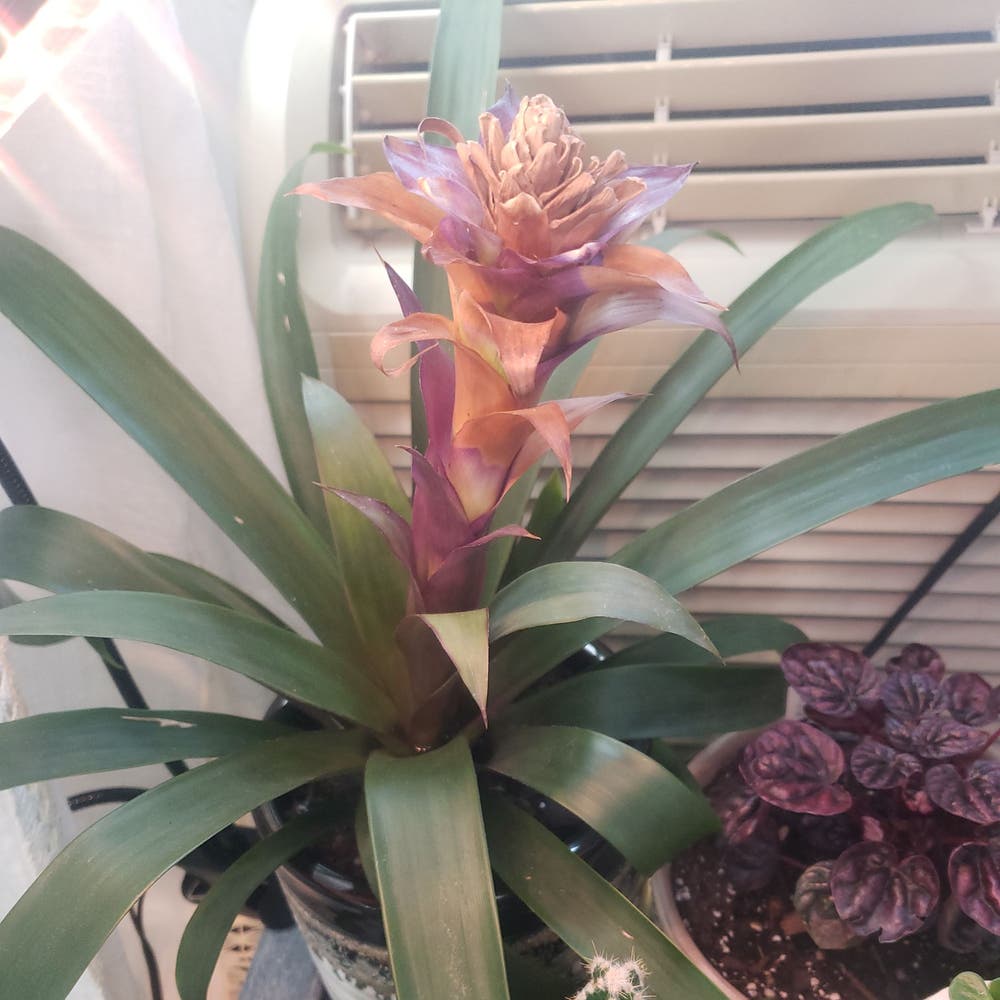
Neoregelia 'Shenba'
By the Greg Editorial Team
Jul 28, 2024•5 min read
This article was created with the help of AI so we can cover more plants for you. May contain errors. See one? Report it here.
- 🐭🌱 Rodents and squirrels nibble on Bromeliads, causing damage.
- 🦌 Larger herbivores like deer can significantly harm Bromeliads.
- 🐝🦎 Bees, lizards, and frogs benefit Bromeliads and garden health.
Attractive Bromeliad Features
Bromeliads captivate with their rosette of leaves and central cup, a mini oasis that lures a diverse crowd. Here's why animals find them irresistible:
- Central Tank: This reservoir is a watering hole for insects and a playground for tree frogs, turning the Bromeliad into a micro-ecosystem.
- Trichomes: These tiny leaf scales do more than sip moisture from the air; they're a buffet for creatures craving mineral-rich dewdrops.
- Vibrant Blooms: The flowers are not just a visual treat; they're a beacon for bees, hummingbirds, and other pollinators.
Seasonal shifts bring about changes in the Bromeliad's appeal:
- Spring and Summer: Increased rainfall fills the central cup, and warmer temperatures intensify the plant's scent, drawing in more wildlife.
- Fall and Winter: As the Bromeliad's growth slows, so does the traffic, but the persistent water reservoir remains a steady attraction.
Smaller Herbivores
🐭 Rodents
Rodents can be stealthy Bromeliad nibblers. Look for chewed leaves or gnaw marks, often close to the ground.
- Signs of rodent presence include droppings and burrow openings near your plants.
- Rodent activity can harm the plant's growth and appearance.
Control methods range from natural deterrents to traps. Consider:
- Encouraging predators like owls.
- Using rodent-proof plant cages.
🐿 Squirrels
Squirrels leave a signature of havoc on Bromeliads, from dug-up soil to nibbled shoots.
- Watch for scattered plant debris and digging signs.
- Squirrels can disrupt the plant's development and stress it out.
To deter these agile critters:
- Install physical barriers like netting.
- Apply taste repellents to make Bromeliads less appealing.
🐦 Birds
Birds can be both friends and foes to your Bromeliad. Pecked flowers or scattered seeds are tell-tale signs.
- Their interactions can be beneficial, aiding in pollination.
- However, excessive pecking can damage the plant.
Protective measures include:
- Setting up bird feeders to distract them from your plants.
- Using reflective objects to scare them away temporarily.
Larger Herbivores
🐇 Rabbits
Rabbit encounters with Bromeliads are betrayed by sharply nipped foliage and the absence of ragged edges. These critters leave behind telltale pea-sized droppings and prefer to feast during the quieter hours of dusk, night, and early morning.
- Look for:
- Clean cuts on leaves or stems.
- Droppings near the plant.
- Grazed seedlings or uniformly nibbled new growth.
To manage these furry nibblers, consider physical barriers or repellents, and remember that consistent monitoring is key to preventing a full-scale bunny banquet.
🦌 Deer
Deer, those stealthy garden visitors, can wreak havoc on your Bromeliads, often leaving large parts of the plant chewed off. Unlike rabbits, deer tracks may accompany the damage, providing a clear sign of their visitations.
- Signs of deer damage:
- Large portions of plants missing.
- Visible deer tracks around the plant area.
Deterring deer can be challenging, but strategies like installing fencing, using deer-resistant plants as a buffer, or applying deer repellents can help protect your Bromeliads.
🦡 Groundhogs/Woodchucks
Groundhogs, also known as woodchucks, can be identified by their excavations and the damage they inflict on plants, including Bromeliads. Their burrows can be extensive, with entrance holes signaling their presence.
- Indications of groundhog activity:
- Burrow entrances near the Bromeliads.
- Chewed plant material or digging around the plant base.
Effective control strategies range from humane live trapping and relocation to the use of repellents or barriers to prevent access to your garden treasures.
Beneficial Garden Inhabitants
🐝 Bees and Pollinators
Bromeliads aren't just eye candy for us; they're a lifeline for bees and other pollinators. Here's how they benefit your garden and how to draw them in.
- Bromeliads offer nectar-rich flowers, making them a hotspot for bees, butterflies, and hummingbirds.
- Their unique structure can collect water, providing hydration for pollinators.
- To attract these beneficial insects:
- Plant a variety of Bromeliads to ensure prolonged blooming seasons.
- Avoid pesticides; they can harm the very creatures you're trying to attract.
- Provide a water source with landing spots, like a shallow dish with pebbles.
🦎 Lizards and Frogs
Your garden's pest control might just come on tiny feet or with a ribbit. Lizards and frogs thrive around Bromeliads and here's why they're good news.
- These critters munch on common pests, helping to keep your Bromeliad healthy.
- Bromeliads can serve as a habitat, offering shelter and moisture for these creatures.
- To encourage their presence:
- Create microhabitats with leaf litter and logs.
- Install a water feature, such as a small pond, to attract and sustain amphibians.
- Integrate companion plants that attract insects, providing a food source for your reptilian allies.
Plant Protection Strategies
🌿 Preventive Measures
Preventing herbivore damage to your Bromeliads starts with foresight and an understanding of the local fauna. Here's how to safeguard your plants:
- Strategic Plant Placement: Elevate Bromeliads or use barriers to deter ground-dwelling nibblers.
- Seasonal Awareness: Adjust protections as animal behavior changes with the seasons.
- Healthy Plant Practices: Robust Bromeliads can better resist pests, so maintain optimal watering, lighting, and nutrition.
- Natural Deterrents: Introduce plants or substances that repel animals without harming your Bromeliads.
🦸 Reactive Solutions
When damage occurs, swift and thoughtful action is key. Here's what to do:
- Damage Assessment: Quickly identify the culprit by the tell-tale signs they leave behind.
- Targeted Interventions: Employ appropriate organic or chemical controls, considering the specific herbivore.
- Ecosystem Balance: Reinforce natural predator populations to manage pests sustainably.
🚫 Bromeliad Toxicity Considerations
While Bromeliads are generally safe, it's crucial to be aware of any potential toxic effects:
- Non-Toxic Varieties: Opt for these to ensure the safety of curious pets and wildlife.
- Observation: Monitor animal behavior around your plants for signs of distress.
- Education: Learn which Bromeliads may pose risks and manage them accordingly.
⚠️ Safety First
This content is for general information and may contain errors, omissions, or outdated details. It is not medical, veterinary advice, or an endorsement of therapeutic claims.
Always consult a qualified healthcare professional before using any plant as food, medicine, or supplement.
Never eat any plant (or feed one to pets) without confirming its identity with at least two trusted sources.
If you suspect poisoning, call Poison Control (800) 222-1222, the Pet Poison Helpline (800) 213-6680, or your local emergency service immediately.
Spotted an error? Please report it here.
Shield your bromeliads 🛡️ from nibbling nuisances by tapping into Greg's community wisdom and tailored reminders for plant protection success.