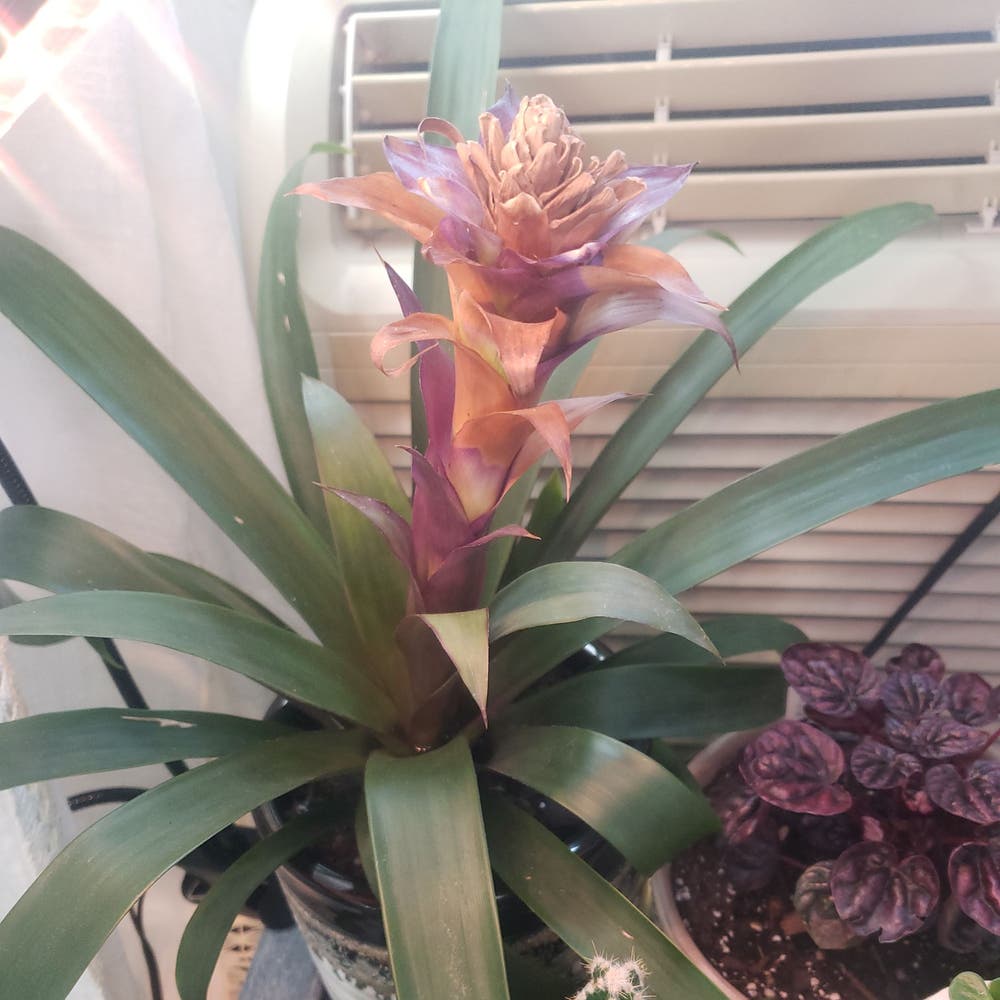
Bromeliad is Not an Invasive Plant
Neoregelia 'Shenba'
By the Greg Editorial Team
Jul 26, 2024•4 min read
This article was created with the help of AI so we can cover more plants for you. May contain errors. See one? Report it here.
- 🌱 Bromeliads support biodiversity, offering habitats for pollinators and aiding pest control.
- 🚫 Not invasive: Controlled growth and human-led propagation prevent aggressive colonization.
- 🌿 Sustainable gardening ally: Enhance environmental health with responsible Bromeliad cultivation.
Non-Invasive Classification
Bromeliads, with their striking forms and colors, are often misunderstood in terms of their ecological behavior. Here's why they're not considered invasive:
Plant Taxonomy Status:
- Bromeliads belong to the monocot class of the angiosperm division.
- They are not listed as invasive in any major botanical or ecological records.
Invasive vs. Non-Invasive Criteria:
- An invasive plant is non-native to the area and has the potential to spread rapidly and widely.
- It must be capable of out-competing native species and thriving in various habitats without intensive management.
- Invasive species often have high seed production and can establish quickly in new communities.
Why Bromeliads Are Non-Invasive:
- They do not naturally spread aggressively or out-compete native flora.
- Bromeliads are mostly propagated through human intervention rather than uncontrolled natural dispersion.
- Their growth is generally slow, and they do not exhibit the rapid, widespread colonization typical of invasive species.
Controlled Growth Patterns
Bromeliads showcase a remarkable growth strategy that aligns perfectly with responsible gardening. Unlike invasive species that often spread aggressively, Bromeliads grow vertically, with new growth emerging from the plant's top, allowing for a contained and predictable development.
- Characteristics in different environments:
- In pots and controlled garden spaces, Bromeliads maintain a compact form.
- In their natural habitat, they adapt efficiently, with features like dense rosettes and water-collecting tanks.
- Mechanisms limiting invasiveness:
- Bromeliads have specific water and light requirements, which naturally restrict their spread.
- Their reproductive methods are not aggressive, often relying on offsets rather than widespread seeding.
These growth habits, combined with their non-competitive nature, ensure that Bromeliads contribute to the garden's beauty without the risk of them taking over.
Ecosystem Benefits
Bromeliads are a boon to biodiversity, fostering a vibrant tapestry of life in their lush foliage. Their unique structure creates microhabitats that are crucial for a variety of species.
- The water-filled central cups of Bromeliads serve as nurseries for amphibians and breeding grounds for insects.
- These microhabitats also support complex microbial communities that play a key role in nutrient cycling, breaking down organic matter into vital nutrients.
Bromeliads engage in mutualistic relationships that enrich the ecosystem.
- They provide shelter and food for ant colonies, which in turn defend the plants from pests.
- Their dense foliage acts as a natural mulch, stabilizing soil and conserving moisture, which is particularly beneficial in preventing erosion.
Pollinators find a sanctuary among Bromeliads, which is critical for maintaining ecological balance.
- They attract bees, butterflies, and other pollinating insects, which are essential for the pollination of many plants, including crops.
- This attraction to pollinators not only supports local wildlife but also contributes to global food security.
By integrating Bromeliads into gardens and landscapes, gardeners can play a part in supporting environmental health and sustainability.
Cultivating Bromeliads
Bromeliads offer a splash of tropical flair and are surprisingly adaptable to various garden styles. Here's how to make them a standout feature without overwhelming your space.
🌿 Integrating into Garden Designs
- Use Bromeliads as accent plants to create focal points in your garden.
- Group them by color or form for a cohesive look, or mix them for a more eclectic vibe.
- Consider their mature size to ensure they fit well within your design without crowding other plants.
🌱 Managing Bromeliad Growth
- Plant in well-draining soil to prevent root rot and maintain plant health.
- Position Bromeliads where they'll receive appropriate light, mimicking their natural habitat.
- Water the central cup rather than the soil, and empty it regularly to keep the plant healthy and prevent overgrowth.
- Remove offsets, or "pups," to control spread and encourage new growth.
Sustainable Gardening with Bromeliad
Bromeliads, with their striking appearance and eco-friendly attributes, are a boon for sustainable gardeners. Here’s how to plant and nurture them responsibly:
Planting Guidelines:
- Choose a well-drained soil mix, as Bromeliads thrive in airy substrates that mimic their natural epiphytic conditions.
- Position them in bright, indirect light to encourage vibrant growth without the scorching effects of direct midday sun.
- Maintain a room temperature of around 20°C, ensuring a humid environment that can be achieved through misting or placing water nearby.
Eco-Conscious Practices:
- Embrace their water-regulating abilities by using Bromeliads in areas prone to heavy rainfall or drought, aiding in soil moisture retention and erosion prevention.
- Foster biodiversity by integrating Bromeliads into your garden; their unique structure supports various pollinators and wildlife.
- Implement thoughtful resource use by minimizing fertilization and leveraging their adaptability to nutrient-poor environments.
⚠️ Safety First
This content is for general information and may contain errors, omissions, or outdated details. It is not medical, veterinary advice, or an endorsement of therapeutic claims.
Always consult a qualified healthcare professional before using any plant as food, medicine, or supplement.
Never eat any plant (or feed one to pets) without confirming its identity with at least two trusted sources.
If you suspect poisoning, call Poison Control (800) 222-1222, the Pet Poison Helpline (800) 213-6680, or your local emergency service immediately.
Spotted an error? Please report it here.
Nurture a biodiverse garden 🐝 with Bromeliads and count on Greg for personalized care tips that ensure your green haven thrives sustainably.