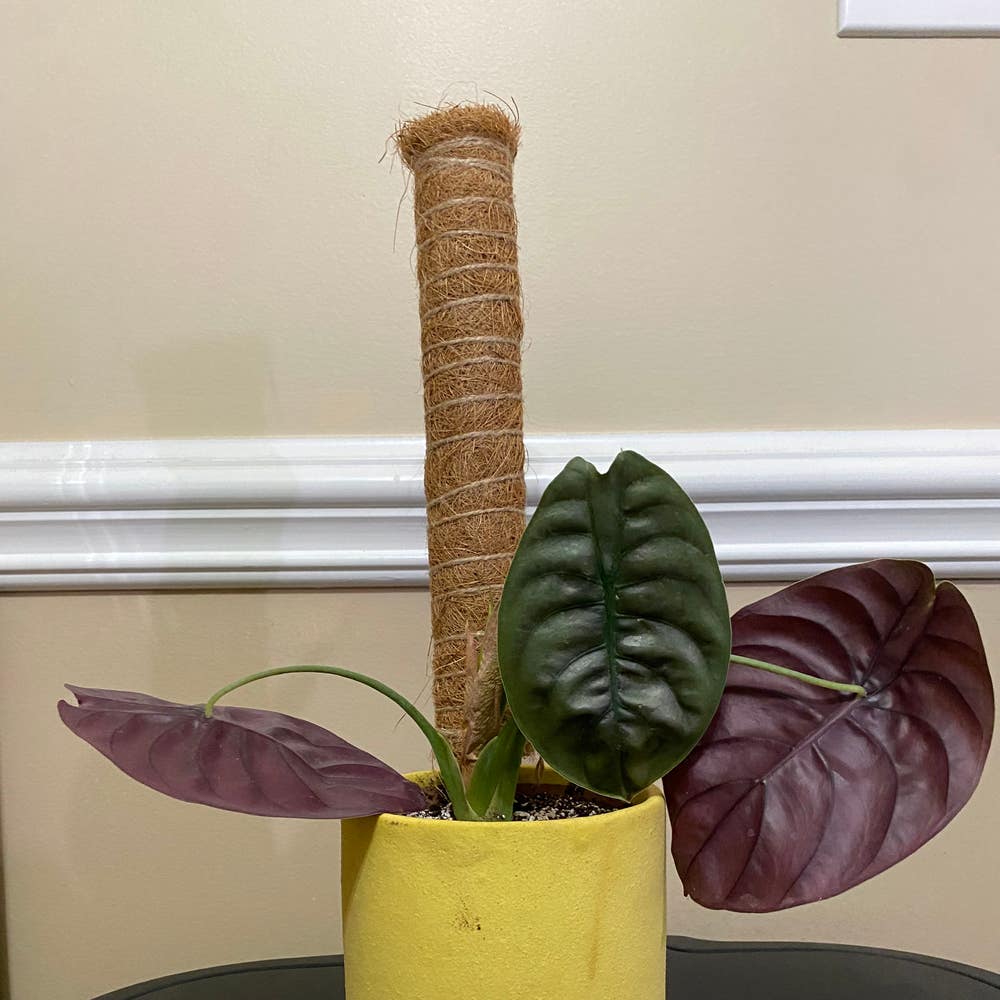
Propagating Jewel Alocasia: The Ultimate Guide
Alocasia cuprea
By the Greg Editorial Team
Jun 15, 2024•10 min read
This article was created with the help of AI so we can cover more plants for you. May contain errors. See one? Report it here.
Propagate Jewel Alocasia 🌿 effectively by choosing a method that matches your plant's size and your care style!
- Division suits mature plants, rhizome cuttings for collection growth, water propagation for root watching.
- Select method based on plant size, health, and your care comfort level.
- Post-propagation care is key, adjust light, humidity, and fertilize carefully.
Choosing the Right Propagation Method for Jewel Alocasia
Selecting the optimal propagation method for your Jewel Alocasia is like choosing the right tool for a job—it's crucial for success. Let's dive into the pros and cons of division, rhizome cuttings, and water propagation.
🌱 Division
Division is your go-to for mature plants that have outgrown their space. It's straightforward: look for offsets with their own roots and gently separate them from the mother plant. This method is less about finesse and more about giving the plant room to breathe.
🔪 Rhizome Cuttings
Rhizome cuttings are the bread and butter for expanding your Jewel Alocasia collection. You'll need a steady hand to slice through the rhizome, ensuring each piece has at least one growth point. It's a bit like surgery, but for plants. The key here is to plant them in well-draining soil and wait for the magic to happen.
💧 Water Propagation
Water propagation is the cool kid of the bunch, offering a visual treat as you watch roots develop. It's ideal for those who enjoy monitoring progress and don't mind a bit of extra fuss transitioning the plant to soil later on.
Selecting the Best Method
When choosing, consider your plant's size and health. If it's a behemoth, division might be your best bet. For smaller or more delicate specimens, rhizome cuttings offer a less invasive option. And if you're just in it for the aesthetics or the learning experience, water propagation can be incredibly rewarding.
Remember, each method has its quirks, so pick the one that aligns with your patience level and the care you can provide. It's not just about the plant's needs but also about what works for you as a gardener.

Step-by-Step Guide to Division Propagation
🌱 Identifying Healthy Offshoots
Healthy offshoots are the cornerstone of successful division propagation. Look for offsets, or "pups," that are robust and have a well-developed root system. These should be large enough to stand on their own once separated from the parent plant. Remember, the larger the offshoot, the quicker it will recover post-division.
🌿 Separating Offshoots
When you're ready to divide, gently remove the Jewel Alocasia from its pot and lay the root ball on its side. Loosen the soil and roots with your hands, or use a clean knife for tough divisions. Ensure each new plant has a good chunk of roots and a few leaves. Be bold, but gentle—think of it as surgery for plants.
🌱 Planting the Propagules
After separation, plant each propagule in fresh potting soil. Choose a container that snugly fits the roots, which encourages growth without drowning the plant in excess soil. Water the soil to settle the roots and help eliminate air pockets.
🌿 Post-Division Care
Immediately after planting, place your new Jewel Alocasia propagules in bright, indirect light. This encourages recovery without overwhelming the plant. Hold off on fertilizing for a few weeks to allow the roots to establish themselves. Most potting soils contain some nutrients, so your plants won't go hungry.
🌱 Monitoring and Adjusting
Keep a close eye on your new plants. If you notice any signs of distress, adjust their environment. Too much light or water can be just as harmful as too little. Trust your instincts—if something looks off, it probably is. Don't be afraid to make changes for the sake of your plant's health.

Rhizome Cutting Propagation Techniques
Rhizome cutting is a reliable method for propagating Jewel Alocasia, ensuring clones identical to the parent plant. Here's how to nail it:
🌱 Preparing Rhizome Cuttings
First, select a healthy rhizome with no signs of damage or disease. Using a clean, sharp knife, cut a section of the rhizome, ensuring it includes at least one growth node. Let the cutting callous over for a few days to prevent rot—this is non-negotiable.
💧 Planting Medium and Conditions
The right medium is your cutting's crib, so make it comfy. Opt for a well-draining mix, like a seed starter or a potting soil blend. Moisture is key, but don't drown it—think damp, not soggy. For the love of foliage, avoid waterlogged conditions to prevent the dreaded root rot.
🌡️ Temperature and Humidity
Warmth is the secret sauce for root development. Aim for a cozy 70-75°F (21-24°C). Humidity is your cutting's best friend, so consider a clear plastic bag to create a mini greenhouse effect. Just make sure there's some airflow to keep things fresh.
🌱 Rooting Hormones? Maybe.
To dip or not to dip in rooting hormone? That's a question. It's not a must, but it can accelerate root growth. If you're feeling experimental, give it a go.
🕰️ Patience is a Virtue
Finally, remember that propagation is not a sprint; it's a marathon. Give your cuttings time to establish roots, and resist the urge to tug-test them daily. When they're ready, they'll let you know.

Water Propagation Process
💧 Setting Up Your Water Propagation System
Water propagation can feel like a science experiment with a dash of magic. To start, grab a clear container like a mason jar or a fancy vase if you're feeling extra. Fill it with tap water and let it sit for about 24 hours to dechlorinate—your future plant babies will thank you. Now, gently clean your Jewel Alocasia cutting, ensuring all soil is removed to prevent contamination. Submerge the base in water, making sure any nodes (those little bumps where roots love to sprout) are underwater. Keep the leaves high and dry, though; they're not fond of a swim.
☀️ The Bright Spot
Place your water-filled container in a spot that gets bright, indirect light. Direct sunlight is a no-go—it turns your propagation station into an algae rave. If you notice the water getting funky, change it out, but not too often; once a week should do the trick. Keep an eye on your cuttings for signs of root growth, which is your cue for a celebratory dance.
🌱 Transitioning to Soil
Once your roots are a couple of inches long and looking robust, it's time to move to soil. Choose a pot with good drainage and a soil mix that's well-draining yet moisture-retentive. Think potting soil with a bit of coco coir and perlite. Gently plant your rooted cutting, water it well, and place it back in that bright, indirect light spot. It might sulk for a bit (who doesn't after a big move?), but with patience and care, you'll see new growth in no time.
Post-Propagation Care for Jewel Alocasia
💡 Light and Humidity Adjustments
After your Jewel Alocasia has been propagated, light and humidity are your new best friends. These plants crave bright indirect light—think of it as their morning coffee. Too little light, and they'll stretch out like they're reaching for the last cookie on a high shelf. If you're growing indoors, a north-facing window might just be their happy place. Outdoors, a spot with dappled sunlight works wonders.
Humidity is the secret sauce for lush growth. Aim for a tropical vibe with high humidity; a humidifier or a pebble tray can be your go-to gadgets here. Keep the air moist, but don't let your plant sit in a sauna all day—balance is key.
🍽️ Fertilizing Young Plants
When it comes to feeding your baby Jewel Alocasia, less is more. Fertilize with a gentle touch, using a diluted solution at 1/4 to 1/2 strength. Only bring out the food once the roots have settled in and started to feel at home. Think of it as not offering a steak dinner right after a workout; let them catch their breath first.
Remember, these are young plants, not teenagers. They don't need a feast; just a light snack every few weeks during their growing season will do. And when winter rolls around, give them a break—no fertilizers, please. They're not growing much and won't need the extra nutrients.
Addressing Propagation Challenges
🦠 Identifying Common Issues
Root rot is a notorious killer in the propagation game. It's the plant equivalent of a horror movie monster, creeping up when conditions are too wet. Prevention is key: ensure your potting mix is well-draining and you're not overwatering. If you spot roots turning to mush, act fast—trim the rot, repot into fresh soil, and cross your fingers.
🐌 Slow Root Development
If your Jewel Alocasia's roots are growing at a snail's pace, it might be time to check the environment. They enjoy a good spa day with consistent moisture and warmth. If they're still lagging, consider a rooting hormone to give them a gentle nudge.
🔄 Stimulating Growth
For propagations that seem stuck in limbo, changing tactics might be necessary. If division isn't working, try water propagation to visually monitor root progress. Sometimes, a simple switch-up is all it takes to jumpstart your plant's growth.
🌱 Preventing Disease
Propagation isn't just about coaxing roots to form; it's also about playing defense against diseases like Phytophthora. Keep an eye out for symptoms like discolored leaves and act swiftly with treatments like Segovis or Fosphite. Remember, cleanliness is next to godliness in the propagation world—keep your tools and environment sterile.
🦠 Bacterial Woes
Slimy stems? Dark leaf spots? Might be a bacterial infection. These guys spread like wildfire, so remove any infected plants immediately. And don't let your cuttings wallow in too much humidity—bacteria love a steamy environment.
🔍 Troubleshooting Tips
- Drainage: Double-check your potting mix and container drainage holes.
- Cutting Health: Ensure your cuttings have white, strong roots before potting.
- Environmental Control: Keep temperature and humidity consistent.
- Observation: Regularly inspect for signs of disease or stress.
- Patience: Some plants take longer to root; don't rush them.
Growth Milestones in Jewel Alocasia Propagation
Tracking the progress of your Jewel Alocasia's propagation journey is crucial to ensure its success. Here's what to expect and look out for during the initial weeks.
🌱 The First Signs of Life
In the early stages, patience is key. The first signs of growth may take anywhere from a few weeks to a couple of months. Initially, you might notice the tip of the corm elongating, with roots starting to emerge along the sides. This is the first victory in your propagation saga.
🌿 Transitioning to Soil
Once you've celebrated the appearance of roots, it's time to think about transitioning to soil. Ensure the corm isn't planted upside down and maintain a moist environment with high humidity to encourage sprouting. Remember, this isn't a sprint; it's a marathon.
🌱 Spotting Successful Propagation
When your Jewel Alocasia has established a solid root system and you see new foliage forming, it's a clear sign of successful propagation. At this point, the plant is ready to move into its permanent home.
🌿 Potting Up
Choose a pot that's just the right size; Jewel Alocasias aren't fans of too much space. Repotting should be done with care, ideally in the spring or early summer. If you've just acquired the plant, give it at least 6 months before considering a pot change.
🌱 Label and Log
It's smart to label your plant with its full Latin name and the date of repotting. Keeping a log can help you track its development and understand its growth patterns better. Plus, it's satisfying to look back at how far you've come.
Remember, every plant has its own pace. So, while you eagerly await those new leaves, enjoy the ride and know that with each passing day, you're one step closer to adding a thriving Jewel Alocasia to your botanical collection.
⚠️ Safety First
This content is for general information and may contain errors, omissions, or outdated details. It is not medical, veterinary advice, or an endorsement of therapeutic claims.
Always consult a qualified healthcare professional before using any plant as food, medicine, or supplement.
Never eat any plant (or feed one to pets) without confirming its identity with at least two trusted sources.
If you suspect poisoning, call Poison Control (800) 222-1222, the Pet Poison Helpline (800) 213-6680, or your local emergency service immediately.
Spotted an error? Please report it here.
Watch your Jewel Alocasia flourish as you propagate with precision, and count on Greg's reminders 🌱 to keep track of milestones and perfect post-propagation care!