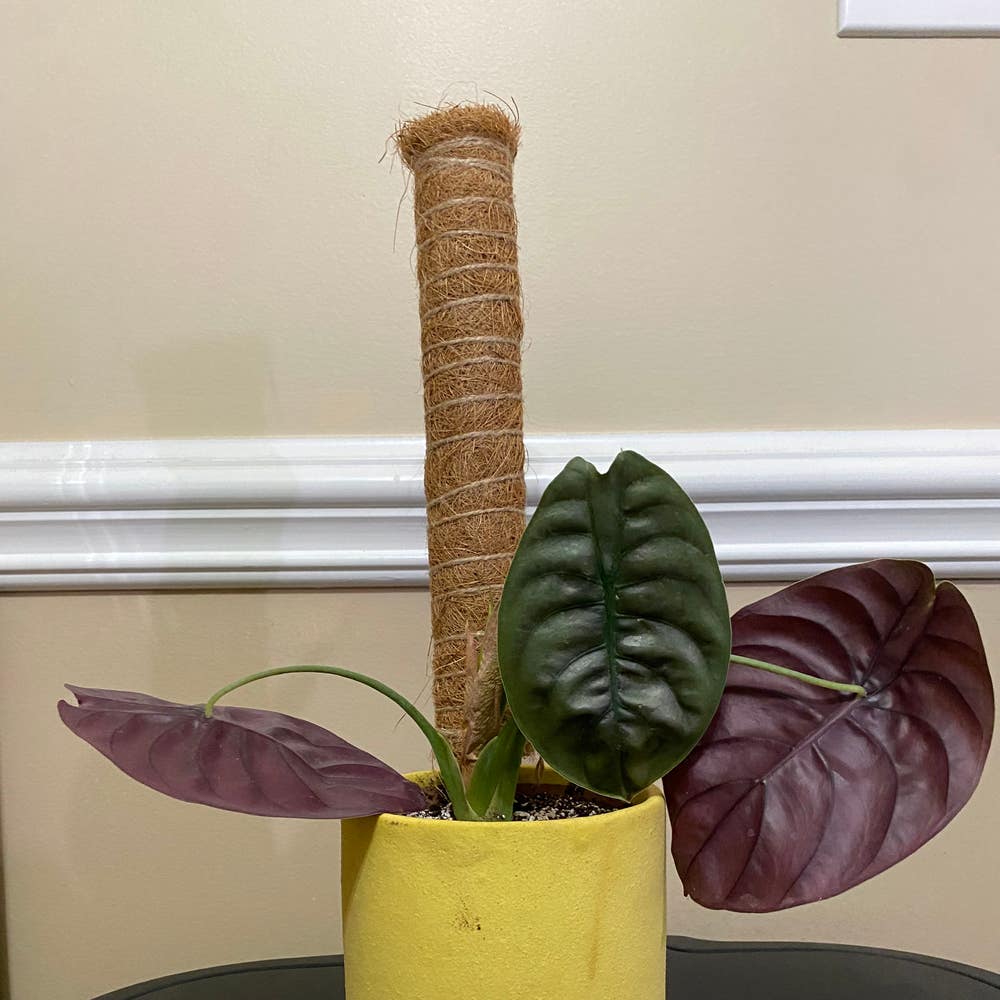
🔍 Understanding Brown Spots on Your Mirror Plant Leaves
Alocasia cuprea
By the Greg Editorial Team
Oct 09, 2024•5 min read
This article was created with the help of AI so we can cover more plants for you. May contain errors. See one? Report it here.
Revive your mirror plant's vitality 🌱 by quickly diagnosing and treating those pesky brown spots!
- 🌱 Brown spots arise from overwatering, underwatering, sunburn, or pests.
- 💧 Check soil moisture regularly to prevent root rot and crispy edges.
- ☀️ Optimal light and humidity are crucial for healthy mirror plant growth.
Causes of Brown Spots
💧 Overwatering and Root Rot
Overwatering is a common culprit behind brown spots on your mirror plant leaves. Symptoms include yellowing leaves that eventually develop brown spots and wilting, even when the soil feels wet.
Root rot occurs when waterlogged soil fosters fungal infections. To prevent this, ensure you use a well-draining soil mix that allows excess water to escape.
🚰 Underwatering and Leaf Dehydration
Underwatering can also lead to brown spots, manifesting as crispy, dry leaf edges. You might notice leaf curling and browning, signaling that your plant is thirsty.
☀️ Sunburn and Light Exposure
Sunburn is another reason for brown spots on leaves. Look for brown, crispy patches that indicate excessive direct sunlight exposure.
Discoloration of leaves can also occur due to improper light conditions. It's essential to find the right balance to keep your plant thriving.
🐛 Pest Infestations
Common Pests
Pests can wreak havoc on your mirror plant, leading to brown spots. Spider mites are notorious for leaving fine webbing and stippled leaves as signs of their presence.
Aphids are another common pest, often leaving a sticky residue and causing distorted growth. Keeping an eye out for these pests is crucial for maintaining plant health.
Symptoms of Infestation
Infestations can lead to significant issues, including leaf drop and wilting. Always check the undersides of leaves for visible pests or webbing to catch problems early.
Understanding these causes will help you take proactive measures to keep your mirror plant healthy. Next, we’ll explore how to diagnose these issues effectively.
Diagnosing the Problem
🌍 Assessing Environmental Conditions
Light Levels and Placement
Proper light exposure is crucial for your mirror plant's health. Aim for bright, indirect light to keep those leaves vibrant and happy.
Signs of inadequate light include stretching stems and pale leaves. If your plant looks like it's reaching for the sun, it might be time to adjust its placement.
Humidity and Temperature
Maintaining optimal humidity levels is essential for healthy growth. Aim for a humidity range of 40-60% to keep your plant thriving.
Temperature also plays a key role. Your mirror plant prefers warm conditions, ideally between 65°F to 80°F (18°C to 27°C). Keeping it cozy will help prevent stress.
🕵️ Inspecting for Pests
Regularly inspect your plant for pests to catch any issues early. Look closely for spider mites and aphids, as they can wreak havoc if left unchecked.
Signs of infestation include sticky residue on leaves and visible pests or webbing. If you notice these symptoms, it’s time to take action before the problem escalates.
By assessing environmental conditions and inspecting for pests, you can effectively diagnose issues affecting your mirror plant. This proactive approach sets the stage for successful treatment and care.
Treatment Options
🚀 Immediate Actions to Take
Adjusting Watering Practices
Check Soil Moisture Levels: Start by assessing the moisture in your soil. Use a moisture meter or simply stick your finger into the soil to gauge its dampness.
Watering Frequency: It's crucial to allow the top inch of soil to dry out before watering again. This helps prevent overwatering and encourages healthy root growth.
🐞 Treating Pests with Insecticidal Soap
Application Guidelines: If you notice pests, act quickly. Spray insecticidal soap directly on the affected areas of your plant.
Reapplication: Repeat this treatment every 7-10 days until the infestation is resolved. Consistency is key to effective pest management.
🌱 Fertilizing for Nutrient Deficiencies
Choosing the Right Fertilizer: Opt for a balanced NPK fertilizer that includes micronutrients. This will help replenish any deficiencies your plant may have.
Application Timing: Fertilize during the growing season, ideally every 4-6 weeks, to support robust growth and vitality.
🛠️ Long-Term Care Strategies
Proper Watering Techniques
- Watering Schedule: Establish a consistent watering routine. Aim for moisture that keeps your plant happy without leading to waterlogging.
Choosing the Right Soil Mix
- Recommended Soil Types: Use a well-draining potting mix that includes perlite or sand. This ensures excess water can escape, preventing root rot.
🔍 Regular Monitoring and Maintenance
- Importance of Routine Checks: Make it a habit to inspect your plant weekly. Look for signs of stress or pests to catch any issues early.
By implementing these treatment options and care strategies, you'll set your mirror plant up for success. Next, let’s explore how to prevent future issues and keep your plant thriving.
Preventing Future Issues
🌱 Best Practices for Care
Ideal Light Conditions
To keep your mirror plant thriving, place it near east or west-facing windows. This positioning ensures it receives bright, indirect light, which is crucial for healthy growth.
Humidity Requirements
Maintaining the right humidity is essential. Consider using a humidifier or pebble trays filled with water to boost moisture levels around your plant.
🔍 Routine Checks for Pests and Diseases
How to Inspect Leaves Regularly
Regular inspections can save your plant from pest infestations. Make it a habit to check both sides of the leaves for any signs of pests or diseases.
Preventative Treatments and Products
For ongoing protection, consider using neem oil or insecticidal soap. Apply these products monthly during the growing season to keep pests at bay.
By following these best practices, you can significantly reduce the risk of brown spots and other issues on your mirror plant. A little preventive care goes a long way in ensuring your plant remains healthy and vibrant.
⚠️ Safety First
This content is for general information and may contain errors, omissions, or outdated details. It is not medical, veterinary advice, or an endorsement of therapeutic claims.
Always consult a qualified healthcare professional before using any plant as food, medicine, or supplement.
Never eat any plant (or feed one to pets) without confirming its identity with at least two trusted sources.
If you suspect poisoning, call Poison Control (800) 222-1222, the Pet Poison Helpline (800) 213-6680, or your local emergency service immediately.
Spotted an error? Please report it here.
Combat those pesky brown spots on your mirror plant leaves with Greg's tailored care reminders 🌱 that ensure your plant thrives in optimal conditions!