🌟 Why Mirror Plant Leaves Turn Yellow
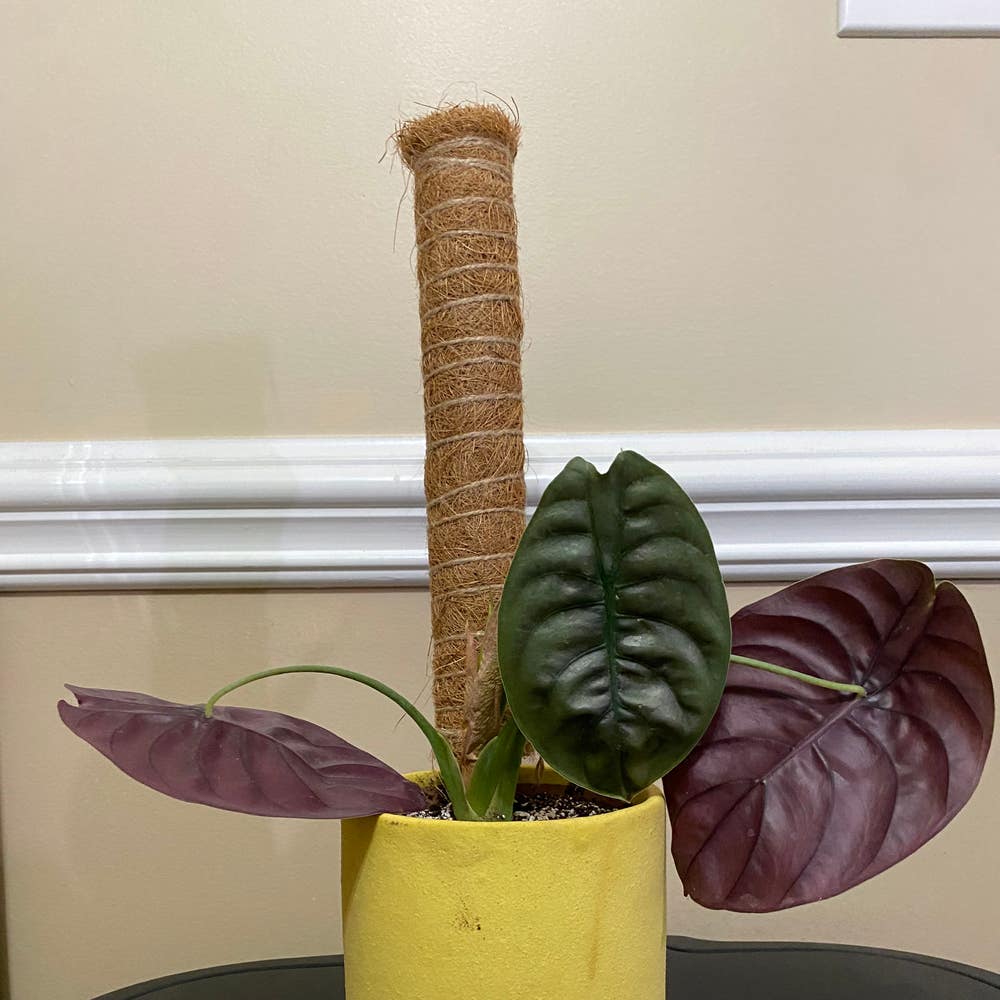
Alocasia cuprea
By the Greg Editorial Team
Oct 09, 2024•5 min read
This article was created with the help of AI so we can cover more plants for you. May contain errors. See one? Report it here.
Transform your mirror plant's health 🌱 by quickly diagnosing and treating those pesky yellow leaves!
- 🌱 Yellow leaves indicate overwatering, underwatering, nutrient deficiencies, or pests.
- 💧 Adjust watering and improve drainage to prevent root rot and yellowing.
- 🔍 Regular inspections and soil testing help catch issues early for healthier plants.
Diagnosing Yellow Leaves
🌊 Signs of Overwatering
Overwatering is a common culprit behind yellowing leaves. Look for symptoms like yellowing, wilting, and a mushy texture.
Check the roots for health indicators. Dark, soggy roots often signal root rot, while consistently wet soil suggests poor drainage.
💧 Signs of Underwatering
On the flip side, underwatering can also lead to yellow leaves. Symptoms include yellowing with crispy edges and drooping foliage.
Inspect the soil condition; dry, compacted soil is a telltale sign. Infrequent watering can stress your plant, leading to these issues.
🥦 Nutrient Deficiency Symptoms
Nutrient deficiencies can manifest as yellow leaves too. A nitrogen deficiency typically shows yellowing in older leaves and stunted growth.
Other nutrient deficiencies may cause general yellowing across the plant. Regular soil testing is crucial for checking nutrient levels and ensuring your plant thrives.
🐜 Pest Infestation Indicators
Pests can wreak havoc on your mirror plant, causing yellow leaves. Common offenders include spider mites and aphids, which leave behind yellow spots, webbing, or sticky residue.
To catch these pests early, inspect the undersides of leaves and stems regularly. Early detection is key to maintaining plant health.
Understanding these signs can help you take action before the problem escalates. Next, let’s explore effective solutions for treating yellow leaves.
Solutions for Yellow Leaves
🌊 Adjusting Watering Practices
Start by determining the right watering schedule based on soil moisture. Check the soil a couple of inches down; if it's dry, it's time to water.
Look for signs like soil dryness and leaf condition. Yellowing leaves can indicate both overwatering and underwatering, so pay close attention.
When you water, do it thoroughly until it drains from the bottom. This ensures that the roots get enough moisture without sitting in water.
🌱 Fertilization Tips
Balanced nutrients are crucial, especially nitrogen, which helps promote lush green growth. A nutrient deficiency can lead to yellow leaves and stunted growth.
Consider using liquid fertilizers or slow-release options. These can provide a steady supply of nutrients over time.
Stick to a fertilization schedule of every 4-6 weeks during the growing season. This keeps your plant nourished and thriving.
🐞 Pest Control Methods
Regular inspections are key to identifying pests early. Look for common culprits like spider mites and aphids that can wreak havoc on your plants.
Control methods include neem oil, insecticidal soap, and introducing beneficial insects. These options can help manage pest populations effectively.
Timing is everything; early intervention is crucial for effective control. The sooner you act, the better your chances of saving your plant.
🌧️ Improving Soil Drainage
Well-draining soil is essential for plant health. Poor drainage can lead to root rot and yellow leaves, so it's vital to get this right.
Incorporate perlite or sand into your soil mix. This improves aeration and drainage, allowing roots to breathe.
If necessary, repot your plant for better drainage. Choose a pot with drainage holes and fresh soil to give your plant a new lease on life.
By implementing these solutions, you can help your mirror plant recover and thrive. Next, let’s explore how to prevent yellow leaves from becoming a recurring issue.
Preventing Yellow Leaves
🌱 Best Practices for Care
To keep your mirror plant thriving, consistency is key. Water it regularly, but avoid overwatering, which can lead to yellow leaves.
Optimal lighting is crucial. Aim for bright, indirect light to promote healthy growth without the risk of scorching the leaves.
Soil maintenance is another essential aspect. Regularly check for proper drainage and aeration to ensure your plant's roots can breathe.
🍂 Seasonal Care Adjustments
As the seasons change, so should your care routine. Adjust your watering frequency based on the temperature and humidity levels.
Keep an eye on environmental stressors. Monitoring these factors can help you prepare your plant for any potential challenges.
🌞 Environmental Conditions to Monitor
Light exposure is vital for plant health. Ensure your mirror plant receives adequate sunlight without being exposed to harsh, direct rays.
Maintain a comfortable temperature range. Ideally, keep it between 65°F to 80°F (18°C to 27°C) for optimal growth.
Lastly, humidity levels matter. Aim to keep humidity moderate to high, as this will help prevent yellowing leaves and promote lush foliage.
By following these preventive measures, you can maintain the vibrant health of your mirror plant and enjoy its beauty for years to come. Next, let’s explore how to monitor your plant's health effectively.
Monitoring Plant Health
Regular Inspection Techniques 🌿
Regular inspections are key to maintaining healthy mirror plants. Aim for weekly checks to catch early signs of stress.
During these inspections, pay attention to leaf color, texture, and overall plant vigor. Any changes can indicate underlying issues that need addressing.
Importance of Proper Lighting 💡
Proper lighting is crucial for your plant's health. Inadequate light can lead to yellowing leaves and stunted growth.
Adjusting your plant's placement can make a significant difference. Find a spot that offers bright, indirect light for optimal growth.
Soil Testing for Nutrient Levels 🧪
Soil testing is essential for understanding nutrient deficiencies. It helps you identify what your plant might be lacking.
Aim to test your soil at least once a year. You can use home kits for convenience or send samples to a lab for more detailed analysis.
By keeping a close eye on your plant's health, you can prevent many issues before they escalate. Next, let’s explore how to implement effective solutions for yellow leaves.
⚠️ Safety First
This content is for general information and may contain errors, omissions, or outdated details. It is not medical, veterinary advice, or an endorsement of therapeutic claims.
Always consult a qualified healthcare professional before using any plant as food, medicine, or supplement.
Never eat any plant (or feed one to pets) without confirming its identity with at least two trusted sources.
If you suspect poisoning, call Poison Control (800) 222-1222, the Pet Poison Helpline (800) 213-6680, or your local emergency service immediately.
Spotted an error? Please report it here.
Keep your mirror plants vibrant and healthy 🌱 by using Greg's tailored care reminders and soil testing features to tackle yellowing leaves before they become a problem!