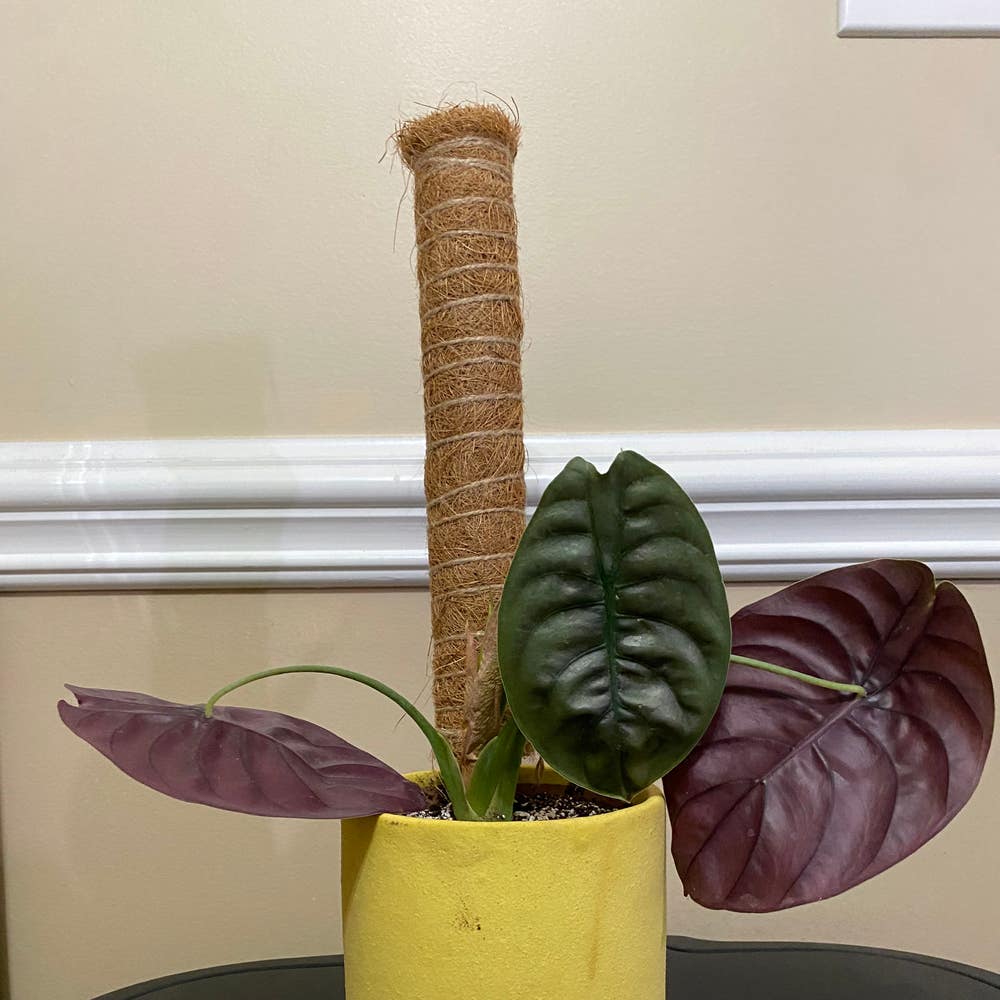
🪞 How to Cure Root Rot in Your Mirror Plant
Alocasia cuprea
By the Greg Editorial Team
Oct 09, 2024•4 min read
This article was created with the help of AI so we can cover more plants for you. May contain errors. See one? Report it here.
Rescue your mirror plant from root rot 🌱 with this quick, effective guide to restore its health and vitality!
- 🌱 Inspect roots regularly to identify rot early and ensure plant health.
- ✂️ Trim affected roots with sterilized scissors to prevent rot spread.
- 💧 Water sparingly and use well-draining soil to avoid root rot recurrence.
Curing Root Rot
Step-by-Step Treatment Process 🌱
Remove the plant from its pot: Gently take out the plant to minimize damage. This step is crucial for assessing the root system.
Inspect the roots: Look closely at the roots to distinguish between healthy ones and those that are rotten. Healthy roots are usually firm and white, while rotten roots appear mushy or blackened.
Trim affected roots: Grab your sterilized scissors and cut away any mushy or blackened roots. This helps prevent the spread of rot.
Clean the pot: Use a bleach solution to wash the pot thoroughly. This step eliminates pathogens that could harm your plant.
Prepare fresh soil: Opt for a well-draining soil mix that suits your mirror plant. This will provide the right environment for recovery.
Repot the plant: Place the plant back into the pot with the fresh soil, ensuring it’s at the correct depth. This helps the roots establish themselves in their new environment.
Water sparingly: Allow the soil to dry out before watering again. Overwatering can lead to further issues, so be cautious.
Tools and Materials Needed for Treatment 🛠️
- Sterilized scissors or pruning shears: Essential for trimming affected roots.
- Moisture meter or finger for soil testing: Helps gauge when to water.
- Fresh, well-draining potting mix: Provides a healthy environment for recovery.
- Bleach solution for cleaning pots: Ensures a pathogen-free pot.
- New pot (if necessary) with drainage holes: Aids in preventing future root rot.
By following these steps, you can effectively treat root rot and give your mirror plant a fighting chance. Next, let’s explore how to prevent root rot from occurring in the first place.
Preventing Root Rot
🌱 Best Soil Types
Choosing the right soil is crucial for preventing root rot. A well-draining potting mix, ideally a blend of peat, perlite, and orchid bark, promotes healthy roots.
Avoid heavy soils, like garden soil or clay-based mixes, as they retain too much moisture. This can lead to the dreaded root rot that every plant parent fears.
💧 Watering Techniques
Establishing a proper watering schedule is essential. Allow the top inch of soil to dry out before watering again to prevent over-saturation.
Using a moisture meter can help you accurately gauge soil moisture levels. When you do water, ensure you do so thoroughly, but always allow excess water to drain out.
🕳️ Importance of Drainage
Drainage holes in your pots are non-negotiable. They are essential for preventing water accumulation that can suffocate roots.
Consider the pot material as well. Terracotta or other porous materials enhance evaporation, keeping your plant's roots happy. Elevating pots with pot feet or trays can also improve airflow beneath the pot, further reducing the risk of root rot.
By following these guidelines, you can create a thriving environment for your mirror plant. Next, let’s explore how to monitor your plant’s health effectively.
Monitoring Plant Health
🌱 Regular Checks for Root Health
To keep your mirror plant thriving, conduct monthly inspections. Gently remove the plant from its pot to assess the root condition.
Look for any signs of distress, such as mushy or discolored roots. This proactive approach can help catch root rot early.
🍃 Observe Leaf Health
Keep an eye on your plant's leaves as well. Yellowing or wilting can indicate underlying issues, including potential root rot.
Healthy leaves are a good sign that your plant is on the right track. Regular observation can make all the difference.
🌿 Signs of Recovery
After treatment, watch for signs of recovery. New growth, such as fresh leaves and stems, is a positive indicator.
You should also notice improved leaf color, transitioning from yellowing back to vibrant green. Firm roots are another sign that your plant is regaining its strength.
🩺 When to Seek Professional Help
Sometimes, despite your best efforts, root rot symptoms may persist. If this happens, it might be time to consult a professional.
Extensive root damage can be tricky to manage on your own. If a significant portion of the roots is affected, getting expert advice can save your plant.
Additionally, if you're uncertain about the diagnosis, a plant care professional can provide clarity. Don't hesitate to seek help when needed; your mirror plant deserves the best care possible.
As you monitor your plant's health, you'll be better equipped to ensure its longevity. This vigilance will set the stage for a smooth transition into the next section on preventing root rot.
⚠️ Safety First
This content is for general information and may contain errors, omissions, or outdated details. It is not medical, veterinary advice, or an endorsement of therapeutic claims.
Always consult a qualified healthcare professional before using any plant as food, medicine, or supplement.
Never eat any plant (or feed one to pets) without confirming its identity with at least two trusted sources.
If you suspect poisoning, call Poison Control (800) 222-1222, the Pet Poison Helpline (800) 213-6680, or your local emergency service immediately.
Spotted an error? Please report it here.
Revive your mirror plant from root rot with proactive care 🌱—let Greg guide you with tailored watering reminders and soil moisture checks for a thriving, healthy plant!