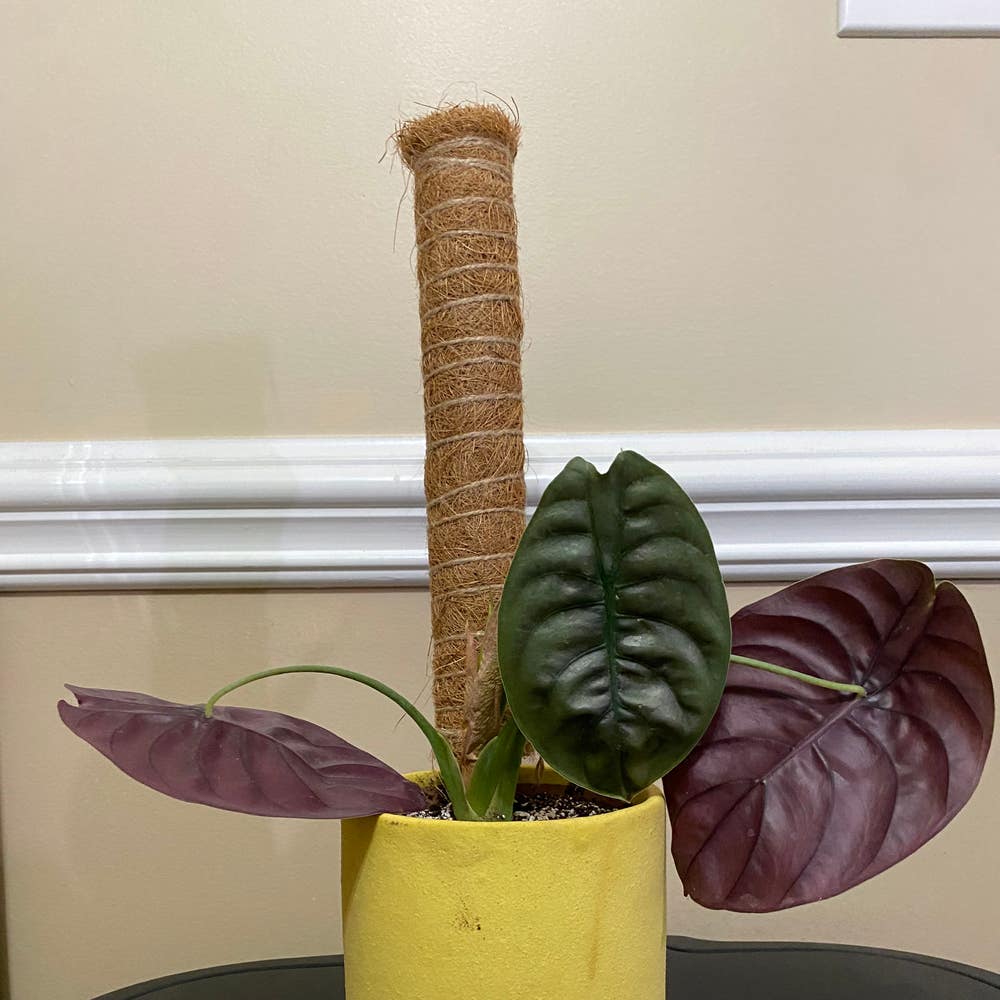
🪞 What to Do About Dropping Leaves on Your Mirror Plant
Alocasia cuprea
By the Greg Editorial Team
Oct 09, 2024•6 min read
This article was created with the help of AI so we can cover more plants for you. May contain errors. See one? Report it here.
Revive your mirror plant's vitality 🌱 with essential tips to prevent leaf drop and ensure thriving growth!
- 💧 Balance watering to prevent root rot and dry leaves for a healthy mirror plant.
- ☀️ Bright, indirect light is essential; adjust placement to avoid leaf drop.
- 🌡️ Maintain stable temperatures between 60°F and 75°F to reduce plant stress.
Causes of Leaf Drop
💧 Overwatering and Underwatering
Overwatering can lead to yellowing leaves, mushy stems, and even root rot. Conversely, underwatering results in dry, crispy leaves and wilting.
To maintain a healthy watering routine, allow the top inch of soil to dry out before watering again. This simple practice can prevent many issues related to moisture imbalance.
☀️ Insufficient Light Conditions
Mirror plants thrive in bright, indirect sunlight but can tolerate some direct sunlight. If your plant is experiencing low light, you may notice stretched growth, pale leaves, and leaf drop.
To remedy this, consider moving your plant to a brighter location or supplementing with grow lights. A little extra light can make a world of difference.
🌡️ Temperature Fluctuations
The ideal temperature range for mirror plants is between 60°F to 75°F (15°C to 24°C). If temperatures fluctuate too much, you might see symptoms like leaf curling, browning edges, and dropping leaves.
To manage temperature effectively, avoid placing your plant near drafts or heating vents. Consistency is key for healthy growth.
🌱 Soil Quality and Drainage Issues
Well-draining soil is crucial for preventing root rot and promoting healthy growth. Signs of poor drainage include water pooling on the surface and soggy soil.
For optimal results, use a mix of potting soil and perlite or sand to enhance drainage. This simple adjustment can significantly improve your plant's health.
🐜 Pest Infestations
🕷️ Common Pests
Spider mites are notorious for leaving webbing and stippled leaves in their wake. Aphids, on the other hand, create sticky residue and distort leaves.
🧼 Control Methods
Regularly inspect your plants, especially the undersides of leaves and stems, for signs of these pests. Treatment options include neem oil, insecticidal soap, or even introducing beneficial insects to keep the pests at bay.
Understanding these causes of leaf drop can empower you to take action and restore your mirror plant's health. Next, we’ll dive into diagnosing leaf drop symptoms to pinpoint the exact issues affecting your plant.
Diagnosing Leaf Drop
🌱 Identifying Symptoms of Stress
Leaf drop can be a cry for help from your mirror plant. Look for color changes—yellowing, browning, or leaves simply falling off.
Stunted growth or a leggy appearance can also signal stress. These signs indicate that your plant isn’t thriving in its current environment.
🌞 Assessing Environmental Conditions
Next, check the light exposure. Your mirror plant needs adequate brightness to flourish, so ensure it’s not in a dim corner.
Temperature matters too. Keep it within the ideal range of 60°F to 75°F (15°C to 24°C) to avoid stress.
🐛 Checking for Pests and Diseases
Regular pest checks are essential. Look closely for signs of infestation, such as webbing or sticky residue.
Don’t overlook diseases either. Fungal infections or root rot can also lead to leaf drop, so keep an eye out for these symptoms.
💧 Evaluating Watering Practices
Soil moisture checks are crucial for diagnosing issues. Use a moisture meter or simply test with your finger to gauge the soil's dampness.
Adjust your watering frequency based on your plant's needs and the environmental conditions. This simple step can make a world of difference in your plant's health.
By diagnosing these factors, you can take proactive steps to alleviate leaf drop and nurture your mirror plant back to health. Next, let’s explore how to alleviate leaf drop effectively.
Alleviating Leaf Drop
🌊 Adjusting Watering Schedule
To start, determine how often you're currently watering your mirror plant. Adjust your frequency based on soil moisture levels, ensuring the top inch of soil dries out before the next watering.
Consider implementing a consistent schedule using the Greg plant care app for reminders. This simple step can help you avoid both overwatering and underwatering.
💡 Improving Light Exposure
Next, assess the light conditions your plant is receiving. If it's not getting enough brightness, move it to a brighter location to encourage healthy growth.
During low-light seasons, think about using grow lights to supplement natural light. This can make a significant difference in your plant's vitality.
🌱 Enhancing Soil Drainage
Now, take a look at your plant's soil composition. If it feels dense or soggy, consider repotting it with a well-draining mix to promote healthy root development.
Also, ensure that your pot has adequate drainage holes. This prevents water from pooling and causing root rot.
🐛 Treating Pest Infestations
If you suspect pests, start by identifying the type of pest present. Common culprits include spider mites and aphids, which can wreak havoc on your plant.
Apply appropriate treatment methods, such as neem oil or insecticidal soap. Regularly monitor your plant for re-infestation to keep it healthy.
🌿 Fertilizing Appropriately
Choosing the right fertilizer is crucial. Opt for a balanced fertilizer and follow the recommended application rates to avoid over-fertilizing.
Remember to fertilize only during the growing season. This ensures your plant gets the nutrients it needs without the risk of stress.
By addressing these key areas, you can effectively alleviate leaf drop and promote a thriving mirror plant. Next, let’s explore how to prevent future leaf drop for long-lasting plant health.
Preventing Future Leaf Drop
💧 Best Practices for Watering
To keep your mirror plant thriving, water only when the top inch of soil feels dry. This simple practice helps avoid overwatering, which can lead to root rot.
Using pots with drainage holes is crucial. It prevents water from pooling at the bottom, ensuring your plant's roots stay healthy and happy.
☀️ Ideal Light Conditions
Your mirror plant loves bright, indirect sunlight. Position it near a window where it can soak up the light without getting scorched.
Don't forget to rotate the plant periodically. This ensures all sides receive equal light, promoting balanced growth.
🌱 Soil Recommendations
Opt for a well-draining potting mix to support your plant's health. A mix designed for houseplants usually does the trick.
Consider enhancing aeration by adding perlite or sand. This improves drainage and keeps the roots from sitting in soggy soil.
🐛 Regular Pest Monitoring
Make it a habit to inspect your plants weekly for any signs of pests. Early detection can save your plant from serious damage.
Implement preventive treatments as needed. A little vigilance goes a long way in keeping your mirror plant pest-free.
🍂 Seasonal Care Adjustments
Adjust your watering and fertilization routines with the changing seasons. Plants often need less water in winter, so be mindful of their needs.
Finally, protect your mirror plant from extreme temperatures during winter. A cozy environment helps it thrive year-round.
By following these practices, you can create a nurturing environment for your mirror plant, ensuring it remains vibrant and healthy. Next, let’s dive into diagnosing leaf drop to better understand any issues that may arise.
⚠️ Safety First
This content is for general information and may contain errors, omissions, or outdated details. It is not medical, veterinary advice, or an endorsement of therapeutic claims.
Always consult a qualified healthcare professional before using any plant as food, medicine, or supplement.
Never eat any plant (or feed one to pets) without confirming its identity with at least two trusted sources.
If you suspect poisoning, call Poison Control (800) 222-1222, the Pet Poison Helpline (800) 213-6680, or your local emergency service immediately.
Spotted an error? Please report it here.
Keep your mirror plant thriving 🌿 by balancing watering and light, and let Greg provide tailored reminders to help you nurture it to perfection!