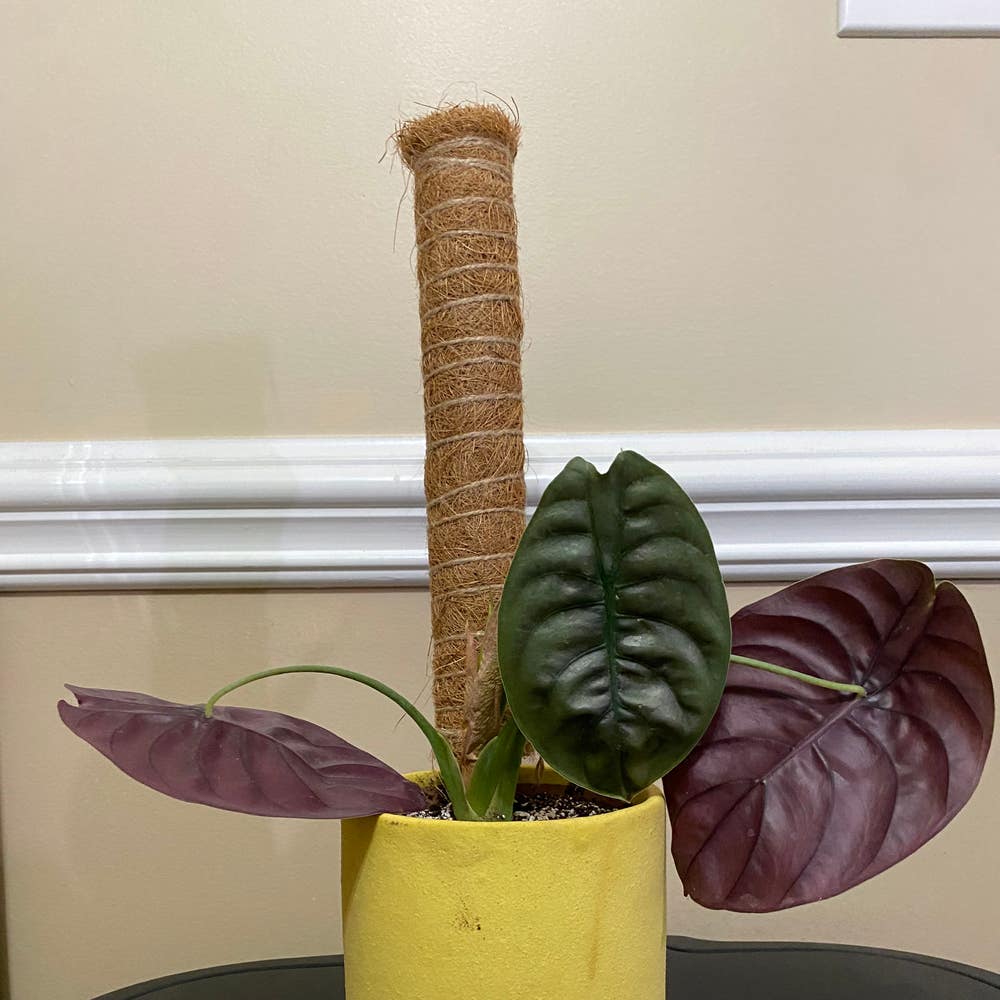
🪞 Managing Black Spots on Your Mirror Plant Leaves
Alocasia cuprea
By the Greg Editorial Team
Oct 09, 2024•4 min read
This article was created with the help of AI so we can cover more plants for you. May contain errors. See one? Report it here.
Revive your mirror plant's health 🌱 by quickly diagnosing and treating those pesky black spots for vibrant growth!
- 🌡️ Optimal temperature for mirror plants is 65°F to 80°F for healthy growth.
- 💧 Humidity levels of 50-70% prevent stress and black spots on leaves.
- 🐛 Inspect for pests like spider mites to catch black spots early.
Diagnosing the Problem
Assessing Environmental Conditions 🌡️
To keep your mirror plant thriving, start by checking its environment. The ideal temperature range is between 65°F to 80°F (18°C to 27°C), which promotes healthy growth.
Humidity is equally important. Aim for levels around 50-70% to prevent stress on the plant.
Identifying Pests that Cause Black Spots 🐛
Pests can be a major culprit behind those pesky black spots. Common offenders include spider mites and aphids, which often leave behind webbing or a sticky residue.
Inspect your plant closely, especially the undersides of leaves and along the stems. Early detection is key to effective treatment.
Soil and Watering Issues 💧
Next, consider the soil and watering practices. Well-draining soil is crucial to prevent water accumulation, which can lead to root rot.
Watch for signs of overwatering, such as soggy soil. Adjust your watering frequency based on the season to keep your plant healthy.
By diagnosing these issues early, you can take the necessary steps to restore your mirror plant's vitality. Now, let’s explore treatment options to tackle those black spots effectively.
Treatment Options
Chemical Treatments for Fungal Infections 🧪
When dealing with black spots on your mirror plant leaves, chemical treatments can be effective. Recommended fungicides typically contain copper or sulfur, which target fungal infections directly.
Always follow the manufacturer’s instructions for dosage and frequency. This ensures you apply the right amount without harming your plant.
Organic Solutions for Black Spots 🌱
If you prefer a more natural approach, consider using neem oil. This versatile solution works against both pests and fungal infections, making it a great all-in-one option.
Another effective remedy is a baking soda solution. Simply mix 1 tablespoon of baking soda with water and spray it on the affected leaves to help combat the black spots.
Step-by-Step Guide to Treating Affected Leaves 📝
Treating your mirror plant is straightforward. Follow these steps to ensure effective treatment:
Remove affected leaves: Use clean, sharp scissors to cut away any leaves showing black spots. This prevents the spread of infection.
Apply treatment: Choose either a chemical or organic solution based on your preference. Make sure to cover the affected areas thoroughly.
Monitor progress: Check your plant weekly for signs of improvement or further spread. This will help you adjust your treatment as needed.
By following these treatment options, you can effectively manage black spots and keep your mirror plant healthy. Next, let’s explore preventive measures to avoid future issues.
Preventive Measures
Best Practices for Watering 💧
Watering your mirror plant correctly is crucial. Allow the top inch of soil to dry out before watering again to prevent overwatering.
Using a moisture meter can help you gauge when it's time to water. This tool ensures you’re not guessing and helps maintain the right moisture level.
Ideal Sunlight Exposure ☀️
Your mirror plant thrives in bright, indirect light. Direct sunlight can scorch the leaves, leading to unsightly damage.
If you notice any discoloration, consider moving the plant to a spot with better light conditions. Adjusting its location can make a significant difference in its health.
Maintaining Humidity Levels 🌫️
Humidity plays a vital role in your plant's well-being. To boost humidity, consider using a humidifier or a pebble tray filled with water.
Regularly check humidity levels, especially during dry seasons. Keeping an eye on this can help prevent stress on your plant and keep those black spots at bay.
By following these preventive measures, you can create a thriving environment for your mirror plant. This proactive approach sets the stage for ongoing care and monitoring, ensuring your plant remains healthy and vibrant.
Ongoing Care and Monitoring
Regular Inspection of Leaves 🌿
Inspecting your mirror plant leaves bi-weekly is crucial for catching black spots or pests early. Look for any changes in color, texture, or overall health to ensure your plant stays vibrant.
Adjusting Care Based on Seasonal Changes 🌦️
As seasons shift, so should your care routine. Increase watering during the summer months and reduce it in winter to match your plant's needs.
Importance of Proper Drainage 🚰
Proper drainage is essential for a healthy mirror plant. Always use pots with drainage holes and well-draining soil mixes to prevent water accumulation.
Signs of Poor Drainage ⚠️
Be on the lookout for signs of poor drainage, such as water pooling on the surface or slow absorption. Addressing these issues promptly can save your plant from serious damage.
By staying vigilant and adjusting your care routine, you can keep your mirror plant thriving through every season. Next, let’s explore preventive measures to further protect your plant from black spots.
⚠️ Safety First
This content is for general information and may contain errors, omissions, or outdated details. It is not medical, veterinary advice, or an endorsement of therapeutic claims.
Always consult a qualified healthcare professional before using any plant as food, medicine, or supplement.
Never eat any plant (or feed one to pets) without confirming its identity with at least two trusted sources.
If you suspect poisoning, call Poison Control (800) 222-1222, the Pet Poison Helpline (800) 213-6680, or your local emergency service immediately.
Spotted an error? Please report it here.
Keep your mirror plant spotless 🌿 with Greg's tailored care reminders and tips, ensuring it thrives in the perfect environment while keeping pests at bay!