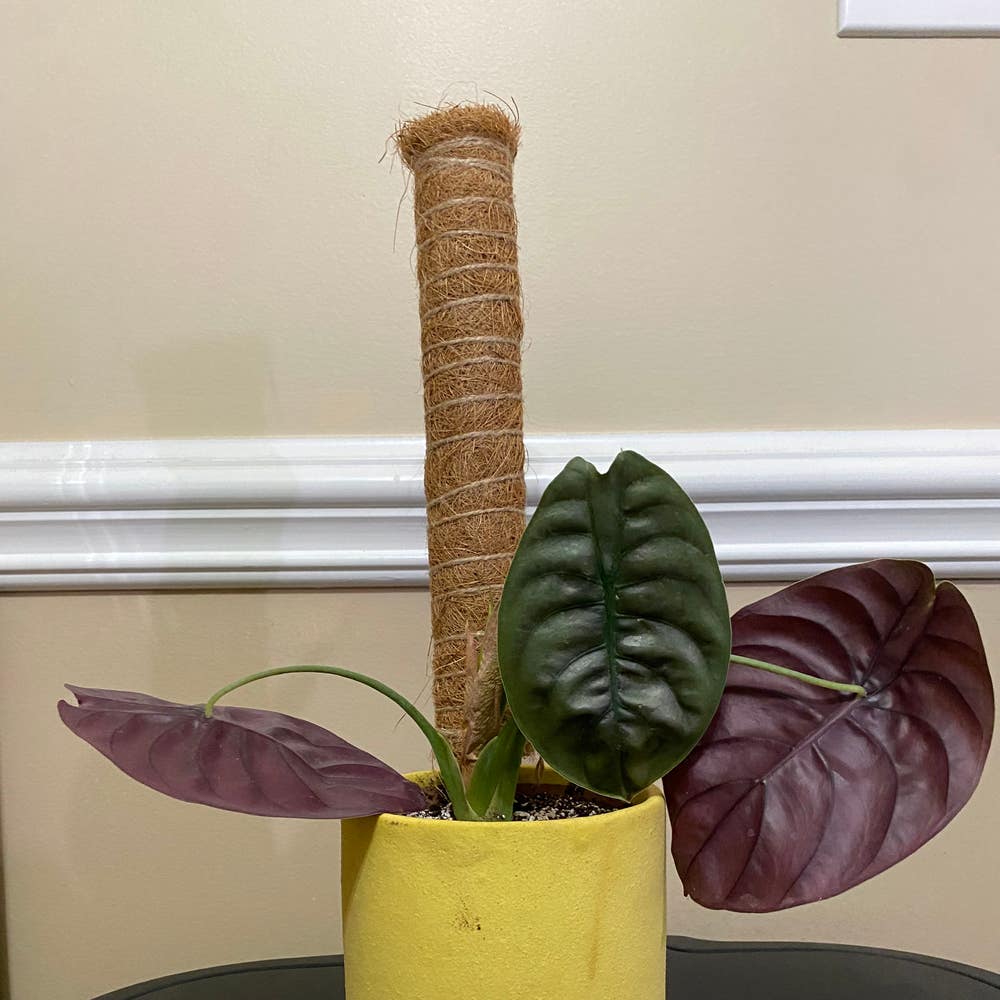
🐝 How and When to Pollinate Mirror Plant
Alocasia cuprea
By the Greg Editorial Team
Oct 09, 2024•7 min read
This article was created with the help of AI so we can cover more plants for you. May contain errors. See one? Report it here.
Unlock the secrets of the Mirror Plant's flowers 🌸 to attract pollinators and create a thriving garden ecosystem! 🌱
- 🌼 Mirror Plant flowers attract bees, butterflies, and hummingbirds for effective pollination.
- 🌱 Self-pollination ensures reproduction, while cross-pollination boosts genetic diversity.
- 🐝 Creating a pollinator-friendly garden enhances pollination success and supports biodiversity.
Flower Structure
Description of Flower Shape, Color, and Arrangement 🌸
The Mirror Plant features striking flowers that are typically tubular in shape, making them particularly appealing to pollinators. These flowers can come in a variety of colors, including vibrant shades of white, pink, and yellow, adding a splash of beauty to any garden.
Flowers are usually arranged in clusters, creating a stunning display that attracts attention. This clustering not only enhances visual appeal but also increases the chances of pollination by making it easier for pollinators to find multiple flowers at once.
Role of Flower Anatomy in Pollination 🐝
Understanding the anatomy of the Mirror Plant's flowers is crucial for grasping how pollination occurs. The petals play a vital role by attracting pollinators with their bright colors and enticing fragrances.
Sepals serve as protective coverings before the flowers bloom, ensuring that the delicate petals are safeguarded. The stamens, which are the male reproductive parts, produce pollen, while the pistils, the female reproductive parts, are responsible for ovule development.
The Mirror Plant can be both self-pollinating and cross-pollinating. Self-pollination offers the advantage of ensuring reproduction even in the absence of pollinators, while cross-pollination enhances genetic diversity, which is essential for the plant's resilience and adaptability.
This dual capability allows the Mirror Plant to thrive in various environments, making it a fascinating subject for gardeners and botanists alike.
Pollination Process
🌼 Self-Pollination Mechanism
The Mirror Plant has a fascinating self-pollination mechanism. Pollen is transferred within the same flower, allowing it to reproduce without relying on external pollinators.
This self-sufficiency is crucial for plant survival, especially in environments where pollinator activity may be inconsistent. By self-pollinating, the Mirror Plant ensures that it can produce seeds even when conditions aren't ideal.
🐝 Identification of Primary Pollinators
Several key pollinators play a vital role in the Mirror Plant's reproductive success:
- Bees: These busy insects are essential for pollen transfer and nectar collection.
- Butterflies: Their attraction to bright colors and unique shapes makes them effective pollinators.
- Moths: Active at night, they contribute to pollination when other pollinators are absent.
- Hummingbirds: Drawn to tubular flowers, they help with pollination while seeking nectar.
Understanding these pollinators can enhance your gardening strategies, ensuring a thriving ecosystem.
🎯 Attraction Mechanisms for Pollinators
The Mirror Plant employs several strategies to attract its pollinators:
- Scent: Floral fragrances create an inviting atmosphere for pollinators.
- Color: Bright, vibrant colors stand out, catching the eye of potential pollinators.
- Nectar Production: A generous supply of high-quality nectar keeps pollinators returning.
These attraction mechanisms not only support the plant's reproduction but also contribute to a lively garden environment.
With a solid understanding of the pollination process, you're well-equipped to appreciate the intricate relationships between plants and their pollinators. Next, we’ll explore natural pollination and its significance for the Mirror Plant's reproduction and genetic diversity.
Natural Pollination
🌬️ Pollen Transfer Mechanisms
Pollen transfer in the Mirror Plant is a fascinating process. It primarily occurs through two mechanisms: wind and insect activity.
Wind plays a crucial role in pollen dispersal. As the breeze blows, it carries lightweight pollen grains from the anthers to nearby stigmas, facilitating fertilization.
Insect activity is equally vital. Pollinators like bees and butterflies visit the flowers, collecting nectar while inadvertently transferring pollen from one bloom to another. This interaction not only aids in reproduction but also enhances the plant's genetic diversity.
🌱 Importance of Pollination for Reproduction and Genetic Diversity
Successful pollination is essential for fruit and seed production. When pollen reaches the stigma, it triggers the fertilization process, leading to the development of seeds that can grow into new plants.
Cross-pollination, in particular, offers significant genetic diversity benefits. It introduces new traits and resilience into the plant population, making them better equipped to adapt to changing environments. This diversity is crucial for the long-term survival of the Mirror Plant and its ecosystem.
Understanding these mechanisms highlights the importance of protecting pollinators and their habitats. As we move forward, let’s explore how we can support these vital creatures in our gardens.
Hand Pollination
Hand pollination can be a rewarding way to ensure the success of your Mirror Plant. Here’s a straightforward guide to help you navigate the process.
Step 1: Identifying Male and Female Flower Parts 🌸
Start by locating the male and female parts of the flower. The stamens, which produce pollen, are the male reproductive organs, while the pistils are the female parts that receive pollen.
Step 2: Collecting Pollen 🧹
Next, gather pollen from the anthers using a small brush or cotton swab. This step is crucial for ensuring you have enough pollen for effective transfer.
Step 3: Transferring Pollen 🔄
Now, gently apply the collected pollen to the stigma of the same flower or another flower. This transfer is essential for fertilization and fruit development.
Step 4: Timing ⏰
Timing is everything in hand pollination. The best times to pollinate are early in the morning when flowers are fully open and most receptive to pollen.
Hand pollination not only boosts your plant's chances of producing fruit but also deepens your connection with nature. By following these steps, you can actively participate in the life cycle of your Mirror Plant and contribute to its growth.
Next, let’s explore how to create a pollinator-friendly environment to support these vital creatures.
Supporting Pollinators
🌼 Creating a Pollinator-Friendly Environment
Enhancing your garden to attract pollinators is both rewarding and essential. Start by planting native flowers that bloom at different times throughout the season. This ensures a continuous food source for pollinators.
Additionally, providing water sources and shelter can make your garden a haven for these vital creatures. Consider adding shallow dishes filled with water or creating small brush piles for shelter.
🌱 Companion Plants
Companion planting can significantly boost your garden's pollinator activity. Here are some excellent choices:
- Marigolds: These vibrant flowers attract bees and butterflies, making them a must-have in any pollinator-friendly garden.
- Lavender: Known for its delightful fragrance, lavender provides nectar for various pollinators, especially bees.
- Coneflowers: These sturdy blooms are famous for attracting butterflies and bees, adding both beauty and biodiversity to your space.
By incorporating these strategies and plants, you’ll create a thriving ecosystem that supports pollinators. This not only enhances your garden's beauty but also contributes to the health of the environment.
As you cultivate this pollinator-friendly space, you'll be setting the stage for successful pollination and a flourishing garden. Next, let’s explore the challenges that can arise in the pollination process and how to overcome them.
Pollination Challenges
Common Obstacles 🌪️
Pollination can be hindered by various environmental factors. Temperature plays a crucial role; optimal ranges are essential for pollinator activity, as extreme heat or cold can deter these vital creatures.
Humidity also impacts pollen viability and pollinator behavior. High humidity can make pollen sticky, while low humidity may dry it out, affecting its ability to fertilize.
Another significant challenge is the lack of pollinators. Signs of low pollinator activity include fewer flowers being pollinated and reduced fruit or seed production.
Solutions for Overcoming Challenges 💪
To mitigate these challenges, consider adjusting your watering schedules. Maintaining optimal humidity levels can create a more favorable environment for both plants and pollinators.
Planting a diverse range of flowers is another effective strategy. This attracts various pollinator species, ensuring that your garden remains vibrant and productive.
Lastly, implementing protective measures against harsh weather conditions can help. Simple actions like providing shade or windbreaks can make a significant difference in supporting pollination efforts.
By addressing these challenges, you can foster a thriving ecosystem that benefits both your Mirror Plant and the pollinators it relies on.
⚠️ Safety First
This content is for general information and may contain errors, omissions, or outdated details. It is not medical, veterinary advice, or an endorsement of therapeutic claims.
Always consult a qualified healthcare professional before using any plant as food, medicine, or supplement.
Never eat any plant (or feed one to pets) without confirming its identity with at least two trusted sources.
If you suspect poisoning, call Poison Control (800) 222-1222, the Pet Poison Helpline (800) 213-6680, or your local emergency service immediately.
Spotted an error? Please report it here.
Boost your Mirror Plant's beauty and pollinator appeal 🌼 with Greg's tailored care tips that ensure your garden thrives and flourishes!