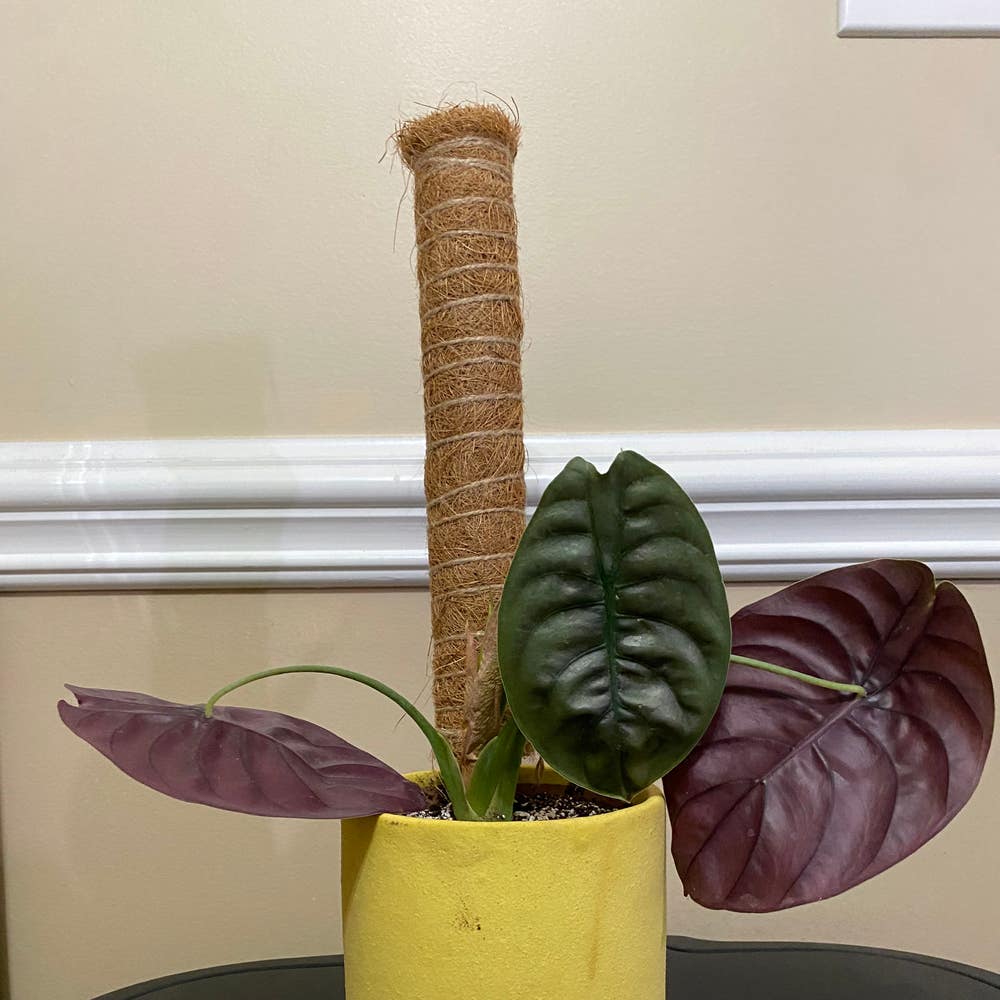
💡 3 Tips for Light Requirements for Your Mirror Plant
Alocasia cuprea
By the Greg Editorial Team
Oct 09, 2024•4 min read
This article was created with the help of AI so we can cover more plants for you. May contain errors. See one? Report it here.
Master your mirror plant's light needs 🌱 for vibrant growth and stunning blooms with this essential guide!
- 🌞 Bright indirect light is crucial for healthy mirror plant growth and vibrant leaves.
- 🌿 Avoid dark corners; insufficient light leads to pale leaves and slow growth.
- 💡 Use LED grow lights indoors to ensure your mirror plant thrives year-round.
Optimal Light Conditions (Indoor vs. Outdoor)
Indoor Light Requirements 🌱
For your mirror plant, bright indirect light is the golden standard. This type of light keeps the leaves vibrant and promotes healthy growth.
In low light conditions, your plant can survive, but don’t expect it to thrive. Slower growth and less colorful leaves are common in these situations.
Outdoor Light Requirements ☀️
When it comes to outdoor settings, your mirror plant thrives in filtered sunlight or partial shade. This balance allows it to soak up the light without getting scorched.
Direct sunlight is a no-go. It can lead to leaf scorching, which is not a pretty sight. Keep your plant in a spot where it can enjoy the sun without the burn.
Understanding these light requirements is crucial for keeping your mirror plant happy and healthy. Next, let’s dive into the differences between bright indirect light and direct sunlight.
Bright Indirect Light vs. Direct Sunlight
🌈 Bright Indirect Light
Bright indirect light is the sweet spot for your mirror plant. This type of light is bright but doesn’t hit the leaves directly, creating a perfect environment for healthy growth.
The benefits are significant: it supports vibrant foliage and helps maintain the plant's beautiful variegation. Your mirror plant will thrive in this light, showcasing its stunning colors.
☀️ Direct Sunlight
On the flip side, direct sunlight can be detrimental. It can scorch the leaves and lead to unsightly browning edges, which is not what you want for your plant.
To protect your mirror plant, limit its exposure to direct sunlight, especially during peak hours. A little caution goes a long way in keeping your plant healthy and happy.
Indoor Light Guidance
🌱 Using Grow Lights for Indoor Growth
Grow lights can be a game-changer for your mirror plant. They provide the essential light spectrum needed for photosynthesis, ensuring your plant thrives indoors.
When choosing grow lights, consider the options available: LED, fluorescent, and incandescent. Each type has its benefits, but LEDs are often favored for their energy efficiency and long lifespan.
🪴 Placement of Mirror Plant in Indoor Settings
For optimal light exposure, place your mirror plant near east or west-facing windows. These locations offer the bright indirect light that your plant craves.
Avoid dark corners where your plant may struggle to get enough light. Keeping it close to natural light sources will help maintain its vibrant leaves and overall health.
With the right light conditions, your mirror plant can flourish, setting the stage for a beautiful indoor garden. Next, let’s explore how light influences the flowering process of your plant.
Light and Flowering
🌼 Role of Light in Flowering Process
When it comes to flowering, your mirror plant has its quirks. It rarely blooms indoors, but you might catch it flowering more frequently in optimal outdoor conditions.
Adequate light exposure plays a crucial role in encouraging blooming. If you want to see those beautiful flowers, ensure your plant gets enough bright indirect light.
Common Light-Related Issues
🌱 Signs of Insufficient Light
When your mirror plant isn't getting enough light, it can show some clear signs. Look out for stretched growth, pale leaves, and a noticeable loss of variegation.
To remedy this, gradually increase its light exposure. This helps prevent shock and allows the plant to adapt smoothly.
☀️ Solutions for Overexposure to Sunlight
On the flip side, too much sunlight can be just as damaging. If you notice scorched leaves, browning edges, or wilting, your plant is likely suffering from overexposure.
The best course of action is to move it to a shadier spot. Keep an eye on its recovery to ensure it bounces back effectively.
Understanding these light-related issues will help you maintain a healthy mirror plant. Next, let’s explore how light influences the flowering process.
⚠️ Safety First
This content is for general information and may contain errors, omissions, or outdated details. It is not medical, veterinary advice, or an endorsement of therapeutic claims.
Always consult a qualified healthcare professional before using any plant as food, medicine, or supplement.
Never eat any plant (or feed one to pets) without confirming its identity with at least two trusted sources.
If you suspect poisoning, call Poison Control (800) 222-1222, the Pet Poison Helpline (800) 213-6680, or your local emergency service immediately.
Spotted an error? Please report it here.
Keep your mirror plant thriving with bright indirect light 🌿, and let Greg guide you with tailored light tips to ensure your plant flourishes in its ideal environment!