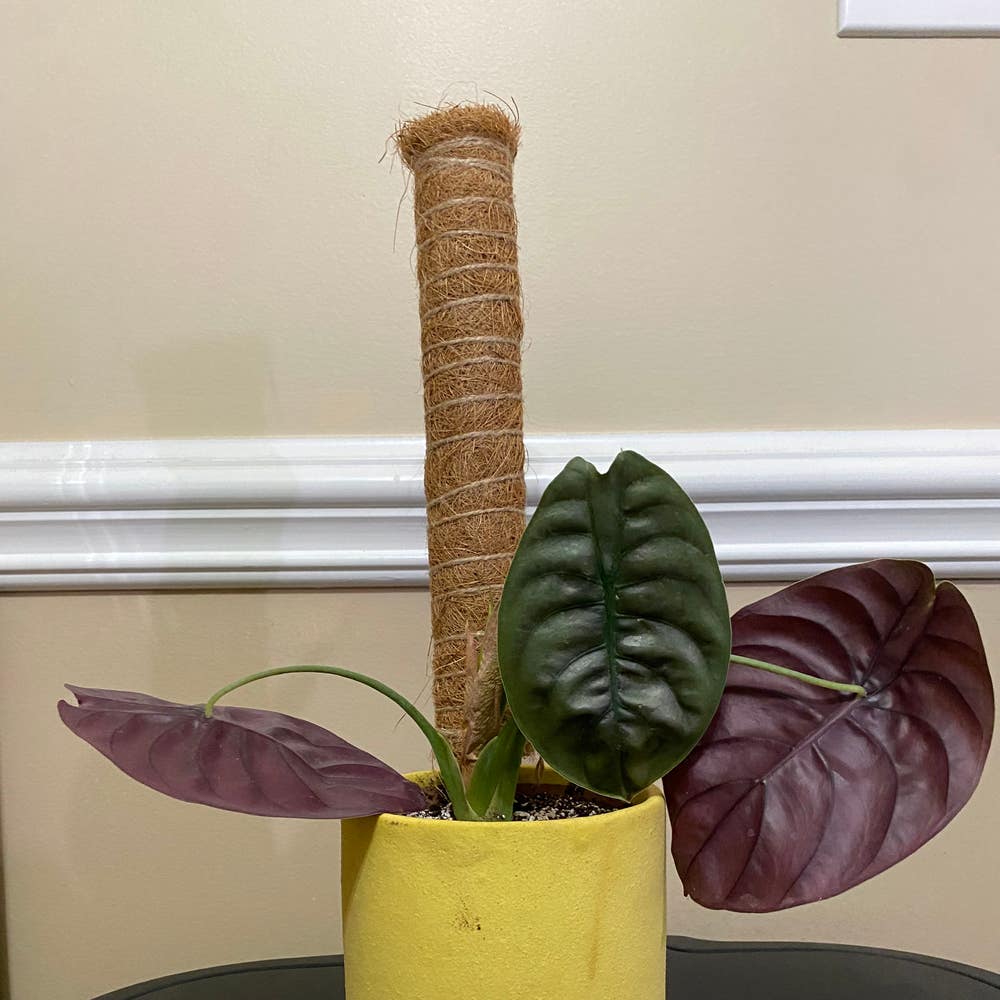
☀️ Optimal Hardiness Zones for Mirror Plant: 10a-12b
Alocasia cuprea
By the Greg Editorial Team
Oct 09, 2024•4 min read
This article was created with the help of AI so we can cover more plants for you. May contain errors. See one? Report it here.
Master the temperature needs of Mirror Plants 🌞 to ensure they thrive and beautify your garden effortlessly!
- 🌱 Mirror Plant thrives in USDA zones 10a to 12b, ideal for warm climates.
- ❄️ Protect from frost; it tolerates temperatures down to 30°F (-1°C).
- 🌞 Optimal growth occurs between 60°F and 85°F (15°C to 29°C) for vibrant health.
Temperature Tolerance for Mirror Plant
❄️ Cold Tolerance
Mirror Plant can handle temperatures as low as 30°F (-1°C), but it’s not a fan of frost. If you live in a colder area, be sure to protect it during those chilly months.
☀️ Heat Tolerance
On the flip side, this plant thrives in heat, with a maximum tolerance of up to 100°F (38°C). It loves full sun but can also adapt to partial shade, making it perfect for warmer climates.
🌡️ Optimal Temperature Ranges
For the best growth, aim for temperatures between 60°F and 85°F (15°C to 29°C). Extreme temperatures, whether too hot or too cold, can negatively impact its health and growth.
Understanding these temperature tolerances is crucial for ensuring your Mirror Plant flourishes in your garden. Next, let’s explore the ideal growing regions where this plant can truly thrive.
Ideal Growing Regions
US States in Suitable Zones 🌞
When it comes to growing Mirror Plant, certain states shine brighter than others. California, Florida, Texas, Arizona, and Louisiana are prime examples, all nestled comfortably within USDA hardiness zones 10a to 12b.
These regions boast warm climates that provide the ideal conditions for Mirror Plant to thrive. The combination of mild winters and hot summers creates a perfect environment for this vibrant plant.
Factors for Ideal Conditions 🌡️
Warm temperatures year-round are crucial for the growth of Mirror Plant. This plant flourishes in environments where temperatures rarely dip below 30°F (-1°C).
Additionally, well-draining soil is essential to prevent root rot. Without it, even the most resilient plants can struggle, making soil quality a key factor in successful cultivation.
Understanding these ideal growing regions and conditions can significantly enhance your gardening experience. With the right environment, your Mirror Plant can truly flourish, adding beauty and vibrancy to your space.
Next, we’ll explore how microclimates can further impact the growth of Mirror Plant, offering unique opportunities for cultivation.
Microclimates and Their Impact
Definition and Benefits 🌱
Microclimates are localized climate conditions that can differ significantly from the surrounding areas. These unique environments can create warmer conditions, enabling the growth of plants like the Mirror Plant outside their typical hardiness zones.
Examples of Beneficial Microclimates 🌍
Urban areas often experience heat retention due to buildings and pavement. This absorption of heat can create warmer microclimates, ideal for growing plants that thrive in warmer temperatures.
Areas near bodies of water also contribute to beneficial microclimates. They can moderate temperatures and reduce frost risk, providing a more stable environment for sensitive plants.
Understanding these microclimates can be a game-changer for gardeners. By leveraging local conditions, you can cultivate a thriving garden even in less-than-ideal climates.
Next, we'll explore which states are most suitable for growing the Mirror Plant, considering both climate and hardiness zones.
State-Level Suitability Analysis
🌿 Suitable States
The Mirror Plant thrives in several US states, including California, Florida, Texas, Arizona, and Louisiana. These regions fall within hardiness zones 10a-12b, characterized by warm temperatures and minimal frost, making them ideal for this tropical beauty.
❌ Unsuitable States
Conversely, states like North Dakota, Minnesota, and Maine are not suitable for growing Mirror Plant. These areas experience harsh winters, frequent frost, and lower temperature ranges, all of which hinder the plant's growth and survival.
🌡️ Climate Factors for Suitability
When considering the suitability of a location for Mirror Plant, several climate factors come into play. Average temperatures, frost dates, and growing seasons are crucial for successful cultivation.
Understanding local conditions is vital. For instance, knowing when the last frost occurs can help you time your planting perfectly. This awareness can make all the difference in nurturing a thriving Mirror Plant.
By focusing on these climate factors, you can ensure that your Mirror Plant not only survives but flourishes in its environment. This knowledge empowers you to create an optimal growing space, setting the stage for a vibrant garden.
With a solid grasp of state-level suitability, you can now explore how microclimates can further enhance your gardening experience.
⚠️ Safety First
This content is for general information and may contain errors, omissions, or outdated details. It is not medical, veterinary advice, or an endorsement of therapeutic claims.
Always consult a qualified healthcare professional before using any plant as food, medicine, or supplement.
Never eat any plant (or feed one to pets) without confirming its identity with at least two trusted sources.
If you suspect poisoning, call Poison Control (800) 222-1222, the Pet Poison Helpline (800) 213-6680, or your local emergency service immediately.
Spotted an error? Please report it here.
Grow a vibrant Mirror Plant 🌿 by using Greg's tailored care tips and reminders to navigate your local climate and maximize its thriving potential!