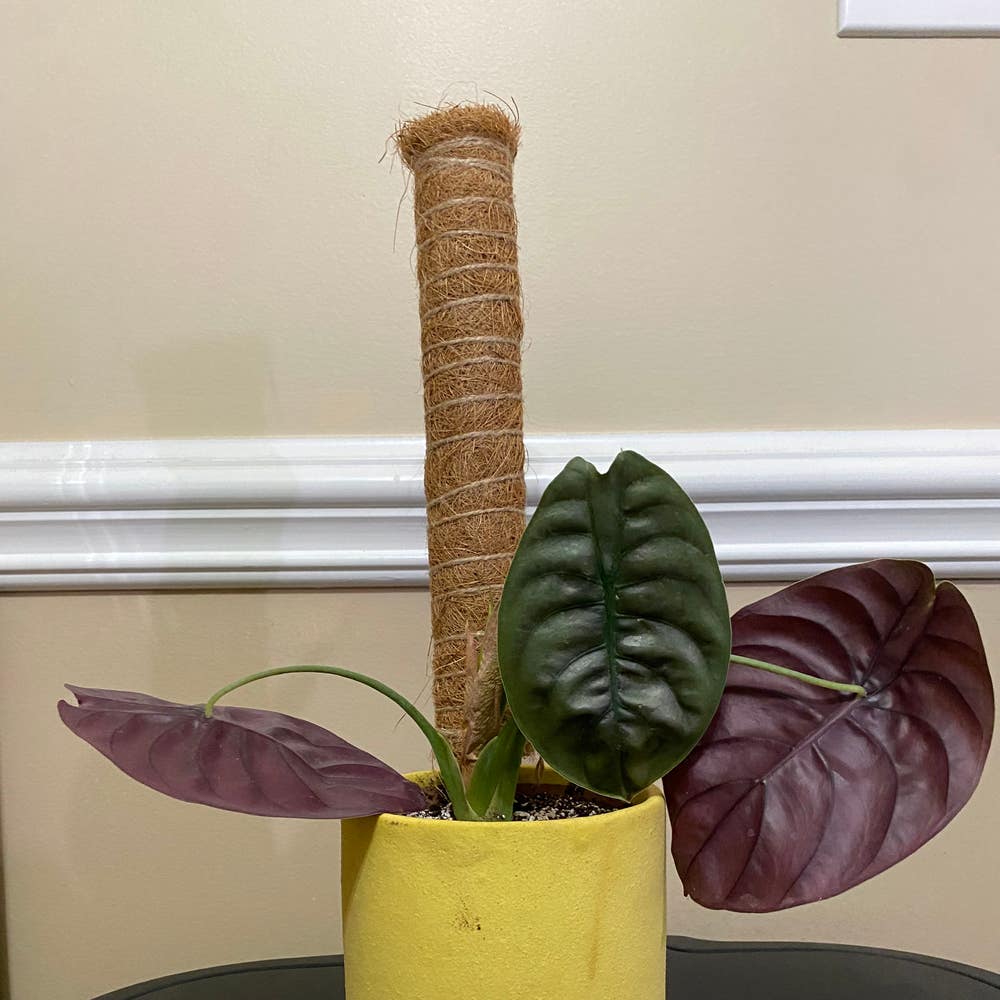
☀️ Managing Direct Sunlight for Your Mirror Plant
Alocasia cuprea
By the Greg Editorial Team
Oct 09, 2024•4 min read
This article was created with the help of AI so we can cover more plants for you. May contain errors. See one? Report it here.
Unlock your Mirror Plant's full potential 🌱 by mastering its sunlight needs for vibrant growth and health!
- 🌞 Mirror plants thrive in bright, indirect light; direct sunlight can cause damage.
- 🌍 Window direction matters: North-facing is ideal, while south-facing may be too intense.
- 📏 Monitor seasonal changes and adjust light exposure for optimal plant health.
Mirror Plant Sunlight Needs
Does Mirror Plant Need Direct Sunlight? 🌞
Mirror plants thrive best in bright, indirect light. Direct sunlight can be too harsh, leading to potential damage.
Can Mirror Plant Tolerate Direct Sunlight? 🌤️
These plants are adaptable and can tolerate some direct sunlight. However, their ability to handle it varies by variety, particularly based on leaf color and thickness.
Effects of Too Much Direct Sunlight on Mirror Plant ⚠️
Excessive direct sunlight can cause significant harm, including leaf scorch, browning edges, and wilting. It's crucial to monitor their exposure to prevent stress and maintain their health.
Understanding these sunlight needs is essential for nurturing a thriving mirror plant. Next, let’s explore how window direction impacts sunlight exposure for your plant.
Window Direction and Sunlight
🌞 Importance of Window Direction
The direction your window faces plays a crucial role in determining how much light your Mirror Plant receives.
- North-facing windows generally provide less direct sunlight, making them ideal for plants that prefer bright, indirect light.
- South-facing windows, on the other hand, typically get the most direct sunlight, which can be too intense for some plants.
Understanding these differences helps you position your Mirror Plant for optimal growth.
🪴 Recommendations for Optimal Window Placement
To keep your Mirror Plant thriving, consider its placement carefully.
Position it near a window that offers bright, indirect light, avoiding those harsh rays that can cause damage.
Using sheer curtains or blinds can help filter the light, providing a softer glow that your plant will appreciate.
This simple adjustment can make a significant difference in maintaining the health and vibrancy of your Mirror Plant.
By being mindful of window direction and light intensity, you set the stage for a flourishing indoor garden.
Next, let’s explore how geographic considerations can further impact sunlight exposure for your plants.
Geographic Considerations
🌍 Role of Hemisphere in Sunlight Intensity
Sunlight intensity varies significantly between the Northern and Southern Hemispheres. In the Northern Hemisphere, the sun's rays hit at a more direct angle during summer, leading to stronger light conditions.
Conversely, the Southern Hemisphere experiences its peak sunlight during its summer months, which can affect how you care for your Mirror Plant. Geographic location also plays a crucial role; areas closer to the equator generally receive more intense sunlight year-round.
📅 Seasonal Variations in Sunlight Exposure
As seasons change, so does sunlight intensity and duration. In winter, days are shorter, and the sun's angle is lower, resulting in less light for your plants.
Adjusting care based on these seasonal shifts is vital. For instance, during the summer months, you may need to monitor your Mirror Plant more closely to prevent sunburn, while in winter, you might need to reposition it for optimal light exposure.
Common Issues Related to Sunlight
🌞 Signs of Too Much Sunlight
If your Mirror Plant is getting too much direct sunlight, you might notice symptoms like leaf burning, wilting, and crispy edges. Recognizing these signs early can save your plant from serious damage.
🌑 Signs of Insufficient Sunlight
On the flip side, insufficient sunlight can lead to stretching towards light, yellowing leaves, and slow growth. Providing adequate light is crucial for your plant's overall health and vitality.
🔄 Solutions for Adjusting Sunlight Exposure
To adjust sunlight exposure, consider relocating your plant to a more suitable spot or using light-filtering materials like sheer curtains. Gradual adjustments are key; sudden changes can shock your plant and hinder its growth.
By keeping an eye on these signs and making necessary adjustments, you can ensure your Mirror Plant thrives in its environment. Next, let’s explore some best practices for monitoring sunlight exposure effectively.
Tips for Plant Parents
Best Practices for Monitoring Sunlight Exposure 🌞
Regularly check your Mirror Plant's health and light conditions. Observing changes in leaf color and growth patterns can provide crucial insights into whether your plant is getting the right amount of sunlight.
Tools for Measuring Light Intensity 📱
Consider using light meters or smartphone apps to measure light levels accurately. Affordable tools can help you assess sunlight exposure, ensuring your plant thrives in its environment.
Adjusting Care Based on Seasonal Changes in Sunlight 🍂
Modify your care routine in response to seasonal changes in sunlight. Being proactive about adjustments will help your Mirror Plant adapt and flourish throughout the year.
By keeping a close eye on these factors, you can create a nurturing environment for your Mirror Plant, ensuring it remains vibrant and healthy. Next, we'll explore common issues related to sunlight exposure and how to address them effectively.
⚠️ Safety First
This content is for general information and may contain errors, omissions, or outdated details. It is not medical, veterinary advice, or an endorsement of therapeutic claims.
Always consult a qualified healthcare professional before using any plant as food, medicine, or supplement.
Never eat any plant (or feed one to pets) without confirming its identity with at least two trusted sources.
If you suspect poisoning, call Poison Control (800) 222-1222, the Pet Poison Helpline (800) 213-6680, or your local emergency service immediately.
Spotted an error? Please report it here.
Ensure your mirror plant gets the perfect light 🌞 with Greg's tailored care tips and light monitoring features, so it stays healthy and vibrant all year round!