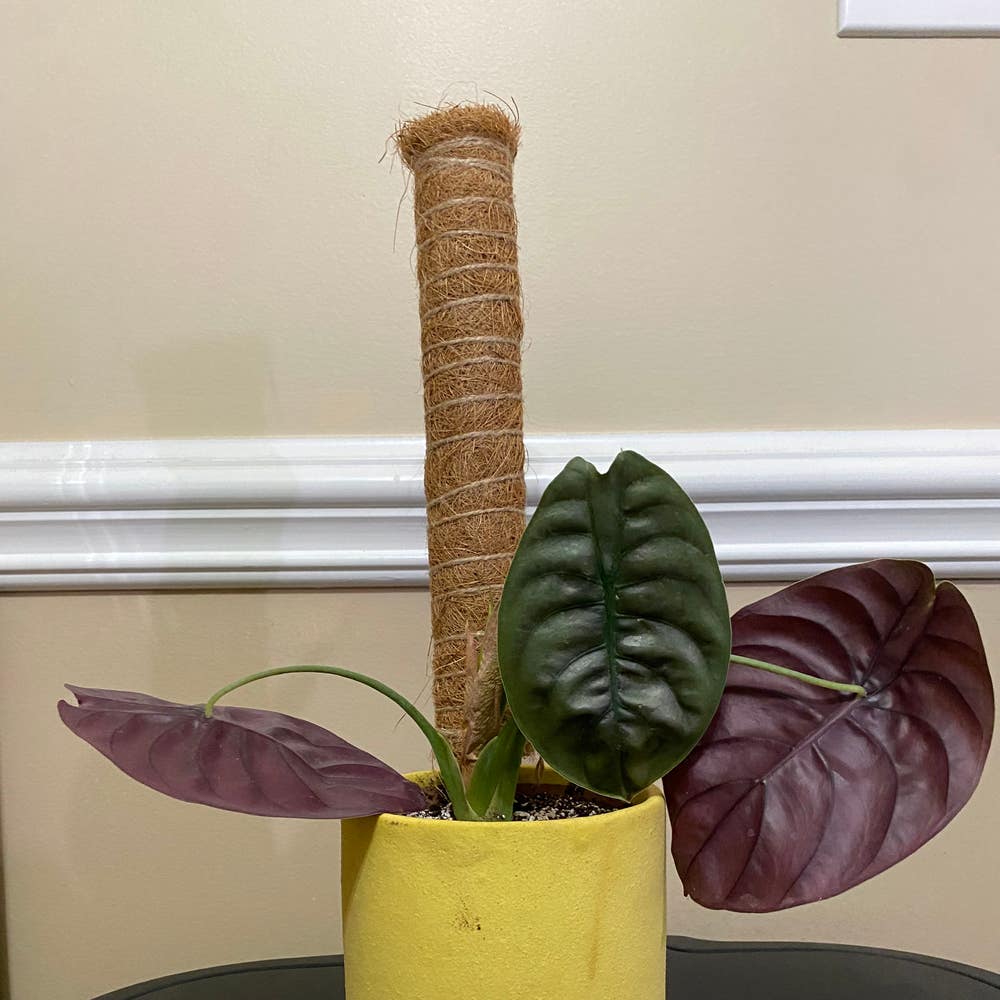
🌡 What Is A Good Temperature Range For My Jewel Alocasia?
Alocasia cuprea
By the Greg Editorial Team
Jun 15, 2024•8 min read
This article was created with the help of AI so we can cover more plants for you. May contain errors. See one? Report it here.
Discover the secret to lush Jewel Alocasia growth by keeping it cozy within its sweet spot of 60°F-80°F. 🌡️🌿
- 60°F to 80°F ideal for Jewel Alocasia's health and growth.
- 🌡️ Consistent temperature prevents stress like discoloration and wilting.
- Avoid drafts, use heat mats/humidifiers to maintain optimal conditions.
Optimal Temperature Range for Jewel Alocasia
Jewel Alocasia, a tropical native, thrives in warmth. The sweet spot for these leafy gems lies between 60°F and 80°F (15.6°C-26.7°C). It's not just about hitting these numbers; it's about consistency. Imagine the perfect spring day, every day—that's what your Alocasia is pining for.
🏡 Keeping It Cozy
Avoid the chill; temperatures dipping below 60°F (15.6°C) can send your plant into an unwanted hibernation. Think of it as the plant's version of "Netflix and nope."
☀️ Summer Growth Spurts
Come summer, your Alocasia could be unfurling new leaves weekly, each outdoing the last in a show of vegetative prowess. But only if the temperature is just right—too hot, and it's a wilt-fest; too cold, and growth stalls like a car in winter.
🚫 No Drafts, Please
Drafts are to Alocasia what socks with sandals are to fashion—a definite no. Keep your plant clear of air conditioners and icy drafts. It's not about coddling; it's about providing a stable environment where your plant can strut its stuff.
🔑 Consistency is Key
Your home's temperature shouldn't swing like a pendulum. If your indoor climate is as unpredictable as a plot twist in a telenovela, consider a space heater or fan to even things out. Your Alocasia will thank you—with growth.

Recognizing Temperature Stress in Jewel Alocasia
When your Jewel Alocasia starts to look off, temperature stress could be the culprit. Here's how to spot the signs before your plant stages a full-blown protest.
🌡️ Telltale Signs of Temperature Trouble
Leaf discoloration is a red flag, signaling your Alocasia might be too hot under the collar or too cold to function. If the leaves are wilting or the growth pace could be outrun by a tortoise, it's time to reassess your plant's living conditions.
❄️ Cold Stress Symptoms
A Jewel Alocasia shivering in the cold might sport drooping leaves. It's like the plant version of someone hunched over in a winter coat. If the leaves start to look more like autumn foliage than lush greenery, consider it a mayday call.
🔥 Heat Stress Indicators
Conversely, leaves that mimic a sunburnt tourist – think yellow or brown – are crying out from too much heat. And if leaves are dropping faster than confetti at a parade, your Alocasia is definitely not celebrating.
🚦 Environmental Red Flags
Keep an eye out for the sneaky drafts or the scorching spot right by the window. These are the not-so-obvious spots where your Alocasia might face temperature swings as wild as a rollercoaster ride.
💦 Humidity's Role
Remember, temperature and humidity are BFFs in the plant world. If your Alocasia's leaves could talk, they'd probably ask for a stable, humid environment over a dry, erratic one. So, keep the air around your Alocasia as consistent as a well-loved sitcom.
🛑 Proactive Monitoring
Don't wait for your Alocasia to send an SOS. Use a thermometer to keep tabs on the temperature, like a hawk eyeing its prey. It's easier to prevent a meltdown or a freeze-up than to deal with the aftermath.

Common Causes of Temperature Stress in Jewel Alocasia
Jewel Alocasia, with its lush foliage, is not just another pretty face in the plant world—it's a temperature diva. Drafts and direct sunlight are the frenemies of this tropical native, leading to the plant equivalent of a temper tantrum.
🌡️ Environmental No-Nos
Open windows might as well be an invitation for a cold draft, while heaters and air conditioners are notorious for creating a mini Sahara or Arctic, depending on the setting.
🌿 Care Mistakes
Overzealous misting, although done with love, can turn leaves into a fungal fiesta. And while we're on the topic of water, let's not forget that humidity is a double-edged sword—too much and your Alocasia's leaves become a breeding ground for trouble, too little and they might as well be in a desert.
🎯 The Goldilocks Zone
Finding that 'just right' temperature spot is like a game of botanical hide and seek. Direct sunlight? Too hot. Next to the AC? Too cold. But that sweet spot less than 3 feet from a window, now that's the jackpot.
🌬️ Seasonal Shifts
Remember, Jewel Alocasia can throw a fit and go dormant in winter, so don't be fooled by its stoic exterior. And if you're in a place with weather mood swings, consider a space heater or fan to keep things steady.
🌱 Proximity Matters
Lastly, let's talk about placement. If you're using grow lights or relying on that precious indirect sunlight, make sure your Alocasia isn't stretching out like it's doing morning yoga just to catch some rays. Keep it close, but not too close—like a clingy friend.

Strategies for Maintaining Ideal Temperature Conditions
In the quest to keep your Jewel Alocasia in the sweet spot of 60°F-80°F (15.6°C-26.7°C), it's all about avoiding the extremes.
🌡️ Keep It Toasty, Not Roasty
Drafts are the nemesis of stable temperatures. Position your plant away from sneaky breezes that slip through windows and doors. And remember, air conditioners are the cold shoulder your Alocasia could do without.
❄️ Winter Woes? Heat Mats and Humidifiers to the Rescue
When the mercury dips, a plant heat mat isn't just a luxury; it's a lifeline. Pair it with a humidifier, and you've got a tropical microclimate that would make your Alocasia want to put on a hula skirt.
☀️ Summer Strategies
Come summer, your Alocasia is in growth mode. Keep it away from the harsh midday sun that could cook it like an egg on a sidewalk. Bright, indirect light is the golden ticket.
🛠 Tools of the Trade
A trusty thermometer is your secret weapon, turning you into a climate control ninja. And if your home's temperature swings more than a pendulum, consider a space heater or fan to even things out.
💦 Humidity: The Silent Partner
Don't forget, humidity and temperature are like peanut butter and jelly—a match made in heaven. Use a pebble tray or cluster plants to up the humidity game.
💡 Light It Up
If you're in a locale that's more 'Frozen' than 'Moana', grow lights can be a game-changer. They're like a personal sun for your Alocasia, minus the sunscreen.
By keeping these strategies in play, your Jewel Alocasia won't just survive; it'll throw a leaf party, and you're definitely invited.
Temperature's Role in Jewel Alocasia's Growth Cycles
Temperature is the puppet master of Jewel Alocasia's growth and dormancy cycles. It's not just a comfort thing; it's about the plant's survival and ability to show off its best self.
🌡️ Growth and Warmth: A Love Story
Warm temperatures between 60°F-80°F (15.6°C-26.7°C) are the sweet spot for Jewel Alocasia. In this range, the plant can produce a new leaf every week during summer, with each leaf potentially doubling in size compared to the last. It's like watching a speeded-up nature documentary, minus the voiceover.
❄️ The Chill of Dormancy
Drop below 60°F (15.6°C), and it's like someone hit the pause button on your Alocasia. Prolonged exposure to the cold can send the plant into dormancy, causing it to drop leaves as if it's suddenly developed a case of plant alopecia.
💐 Flower Power
When it comes to flowering, temperature plays the role of a matchmaker. It's not just about the right temperature; it's about the right temperature at the right time. If your Alocasia decides to bloom, you'll see a cream-colored spathe-like flower, which is more of a modified leaf than a traditional flower. It's the plant's way of saying, "Look at me!"
🚫 Avoiding the Drama
To prevent your Alocasia from throwing a fit, avoid drafts, direct sunlight, and the icy breath of air conditioners. Think of your plant as a guest at a party—it doesn't want to be stuck by the freezer or the oven.
💦 Humidity and Temperature: The Dynamic Duo
Remember, temperature doesn't fly solo; it's part of a duo with humidity. Keep both in check, and your Jewel Alocasia will reward you with lush, vibrant leaves. It's like giving your plant a VIP pass to the good life.
Monitoring and Adjusting Temperatures for Jewel Alocasia
Keeping your Jewel Alocasia at the right temperature is like hitting the sweet spot in a game of pinball—it's crucial for that high score, or in this case, a thriving plant.
🌡️ Temperature Monitoring Tools
Get yourself a thermometer; it's your new best friend. Think of it as your plant's personal weather station. Place it near your Alocasia to keep a close eye on the ambient temperature.
🌡️ Adjusting the Temperature
If your home's temperature swings more than your mood on a Monday morning, consider a space heater or a fan to keep things steady. Remember, your Alocasia prefers a balmy 60°F-80°F (15.6°C-26.7°C), so avoid placing it near drafty spots or under the direct blast of air conditioners.
🌡️ Humidity and Temperature
A humidifier can be your ace in the hole, especially if you're juggling to maintain that 60-80% humidity sweet spot alongside the temperature. It's like creating a mini tropical paradise for your Alocasia.
🌡️ When Things Get Chilly
For those in cooler climates, a plant heat mat might just be the unsung hero during the winter months. It's like giving your plant a warm hug when the temperatures drop.
🌡️ Keeping It Consistent
Consistency is key. Sudden temperature drops or spikes are to your Alocasia what a pop quiz is to an unprepared student—stressful and potentially disastrous. Keep conditions stable, and your Alocasia will reward you with its lush, vibrant foliage.
Remember, while you can't control the weather, you can control the climate for your green companion. So keep a vigilant eye on those temperatures, and adjust as needed to keep your Jewel Alocasia not just surviving, but thriving.
⚠️ Safety First
This content is for general information and may contain errors, omissions, or outdated details. It is not medical, veterinary advice, or an endorsement of therapeutic claims.
Always consult a qualified healthcare professional before using any plant as food, medicine, or supplement.
Never eat any plant (or feed one to pets) without confirming its identity with at least two trusted sources.
If you suspect poisoning, call Poison Control (800) 222-1222, the Pet Poison Helpline (800) 213-6680, or your local emergency service immediately.
Spotted an error? Please report it here.
Ensure your Jewel Alocasia enjoys the perfect climate 🌡 with Greg's reminders to adjust your space for optimal growth, avoiding temperature stress without the guesswork!