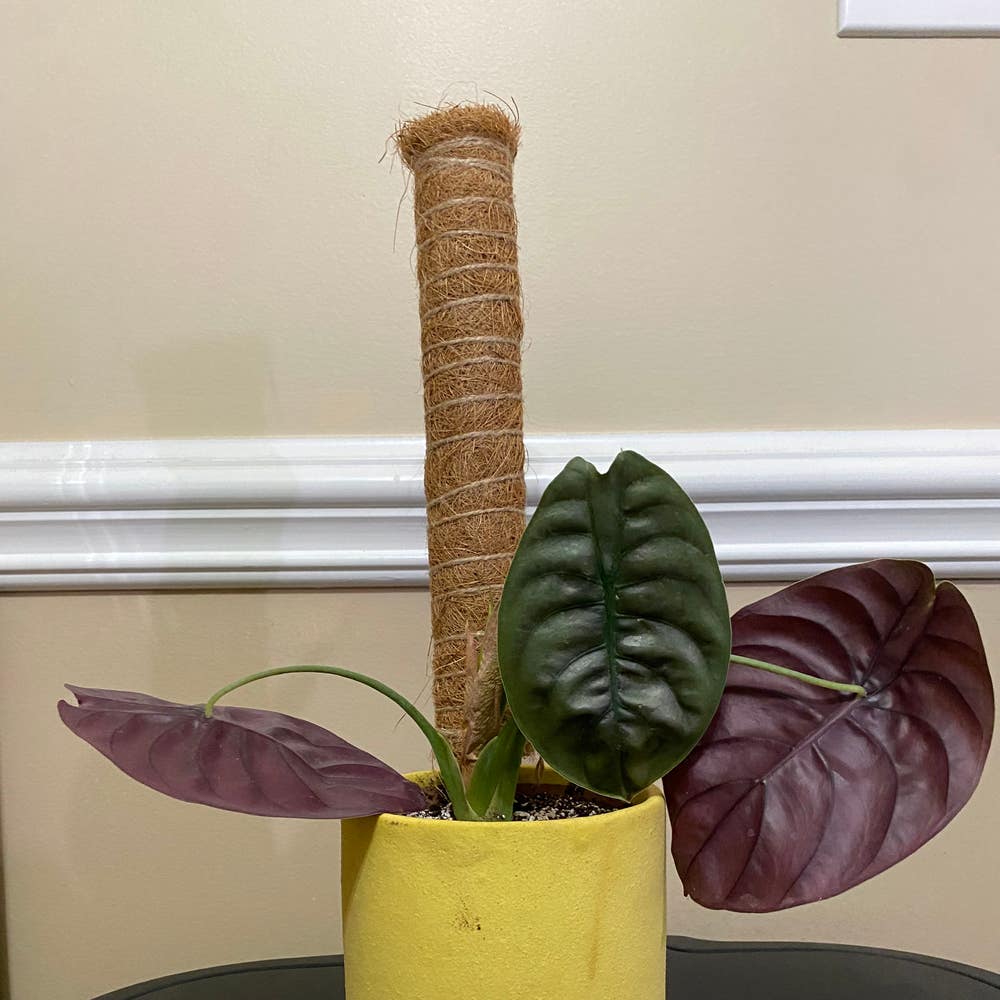
Best Soil for Mirror Plant 🌟
Alocasia cuprea
By the Greg Editorial Team
Oct 09, 2024•5 min read
This article was created with the help of AI so we can cover more plants for you. May contain errors. See one? Report it here.
Boost your mirror plant's health 🌱 by mastering soil pH and nutrients for vibrant growth!
- 🌱 Ideal pH for mirror plants is 6.0-7.0 for optimal nutrient availability.
- 🧪 Test soil pH regularly to maintain healthy growth conditions every 6-12 months.
- 🌿 Signs of unhealthy soil include mold, compacted texture, and yellowing leaves.
Soil pH and Nutrient Needs
Ideal pH Range 🌱
The ideal pH range for mirror plants is between 6.0 and 7.0. This balance is crucial as it directly impacts the availability of essential nutrients.
How to Test Soil pH 🔬
To test your soil's pH, you can use pH test strips or digital pH meters. It's best to check the pH every 6-12 months for established plants to ensure optimal growth.
Adjusting Soil pH ⚖️
If your soil is too alkaline, you can increase acidity by adding lime (calcium carbonate). Conversely, if you need to make the soil more acidic, incorporate sulfur or peat moss.
For effective pH adjustment, consider using products specifically designed for this purpose. These can help you achieve the desired balance for your mirror plant's health.
Understanding soil pH is just one part of nurturing your mirror plant. Next, let’s explore how to identify unhealthy soil conditions that could hinder its growth.
Identifying Unhealthy Soil
Signs of Unhealthy Soil 🕵️♂️
Moldy soil is a clear indicator of trouble. Look for white or gray mold on the surface, accompanied by a foul odor that suggests anaerobic conditions.
Compacted soil is another red flag. If the texture feels hard and dense, it can restrict root growth, making it difficult for your mirror plant to thrive.
Effects of Unhealthy Soil on Mirror Plant Health ⚠️
Unhealthy soil can lead to stunted growth and yellowing leaves. These symptoms signal that your plant is struggling to absorb essential nutrients.
Moreover, unhealthy soil increases susceptibility to pests and diseases. A weakened plant is an easy target for unwanted invaders.
Solutions for Moldy or Compacted Soil 🛠️
For moldy soil, start by removing the affected top layer and replacing it with fresh mix. Improving air circulation and reducing watering frequency can also help combat mold growth.
If you're dealing with compacted soil, gently aerate it using a fork or tool. Alternatively, consider repotting your mirror plant with a fresh, well-draining mix to ensure optimal growth conditions.
By addressing these soil issues promptly, you can help your mirror plant flourish and maintain its vibrant health. Next, let’s explore how to create a homemade soil mix tailored for your plant’s needs.
Creating a Homemade Soil Mix
Step-by-Step Guide to Making a Custom Soil Mix 🌱
Creating the perfect soil mix for your mirror plant is straightforward. Start by gathering your ingredients: peat moss, perlite, pine bark, and compost.
Next, mix these components in a large container, ensuring you follow the recommended ratios for optimal results.
Finally, check the texture of your mix. It should be light and fluffy, promoting excellent drainage for your plant.
Recommended Ingredients for Optimal Growth 🌿
To enhance your soil further, consider adding some additional amendments. Worm castings are fantastic for a nutrient boost, enriching the mix with essential elements.
Charcoal is another great addition, helping with odor control and improving drainage. This combination will set your mirror plant up for success.
Tips for Storing and Using Homemade Soil 🏺
Proper storage is key to maintaining your homemade soil mix. Keep it in a cool, dry place, ideally in airtight containers to prevent moisture absorption.
For the best results, aim to use your soil mix within six months. Fresh soil will ensure your mirror plant thrives and flourishes.
With your custom soil mix ready, you're well on your way to nurturing a healthy mirror plant. Next, let’s explore soil maintenance and amendments to keep your plant in top shape.
Soil Maintenance and Amendments
🕒 When to Refresh or Replace Soil
Recognizing when to refresh your soil is crucial for your mirror plant's health. Look for signs like compacted soil or nutrient depletion, which can hinder growth.
It's generally recommended to refresh or replace the soil every 1-2 years for established plants. This practice ensures your plant has access to the nutrients it needs to thrive.
🌱 Recommended Soil Amendments for Nutrient Boost
To give your mirror plant a nutrient boost, consider using organic options like compost tea or liquid seaweed. These amendments enrich the soil naturally.
For a more immediate effect, inorganic options such as slow-release fertilizers with balanced NPK ratios can be beneficial. They provide essential nutrients over time, supporting steady growth.
🍂 Seasonal Considerations for Soil Care
Spring is the ideal time to refresh your soil and add amendments. This season encourages new growth, making it perfect for enhancing soil quality.
In the fall, it's important to monitor moisture levels and prepare your plant for winter dormancy. Proper care during this time helps ensure your mirror plant remains healthy through the colder months.
By staying attentive to these maintenance practices, you can keep your mirror plant thriving year-round. Next, let’s explore common soil-related problems and how to troubleshoot them effectively.
Common Soil-Related Problems
💧 Overwatering and Its Impact on Soil Health
Overwatering is a common pitfall for many plant enthusiasts. The signs are often unmistakable: wilting leaves despite moist soil and mushy roots accompanied by a foul smell.
🐛 Soil-Borne Pests and Diseases
Soil health can also be compromised by pests and diseases. Fungus gnats are a telltale sign of overly moist conditions, while root rot can develop from pathogens lurking in waterlogged soil.
🔧 Troubleshooting Soil Issues Specific to Mirror Plant
To keep your mirror plant thriving, adjust your watering schedule based on soil moisture levels. Implement preventive measures against pests by managing soil conditions effectively, ensuring a healthy environment for your plant.
With these strategies, you can tackle common soil-related problems and promote a robust growth environment for your mirror plant. Next, let’s explore how to create a homemade soil mix tailored for optimal growth.
⚠️ Safety First
This content is for general information and may contain errors, omissions, or outdated details. It is not medical, veterinary advice, or an endorsement of therapeutic claims.
Always consult a qualified healthcare professional before using any plant as food, medicine, or supplement.
Never eat any plant (or feed one to pets) without confirming its identity with at least two trusted sources.
If you suspect poisoning, call Poison Control (800) 222-1222, the Pet Poison Helpline (800) 213-6680, or your local emergency service immediately.
Spotted an error? Please report it here.
Keep your mirror plant thriving with optimal soil health 🌿 by using Greg's tailored reminders for pH testing and nutrient boosts to create the perfect environment!