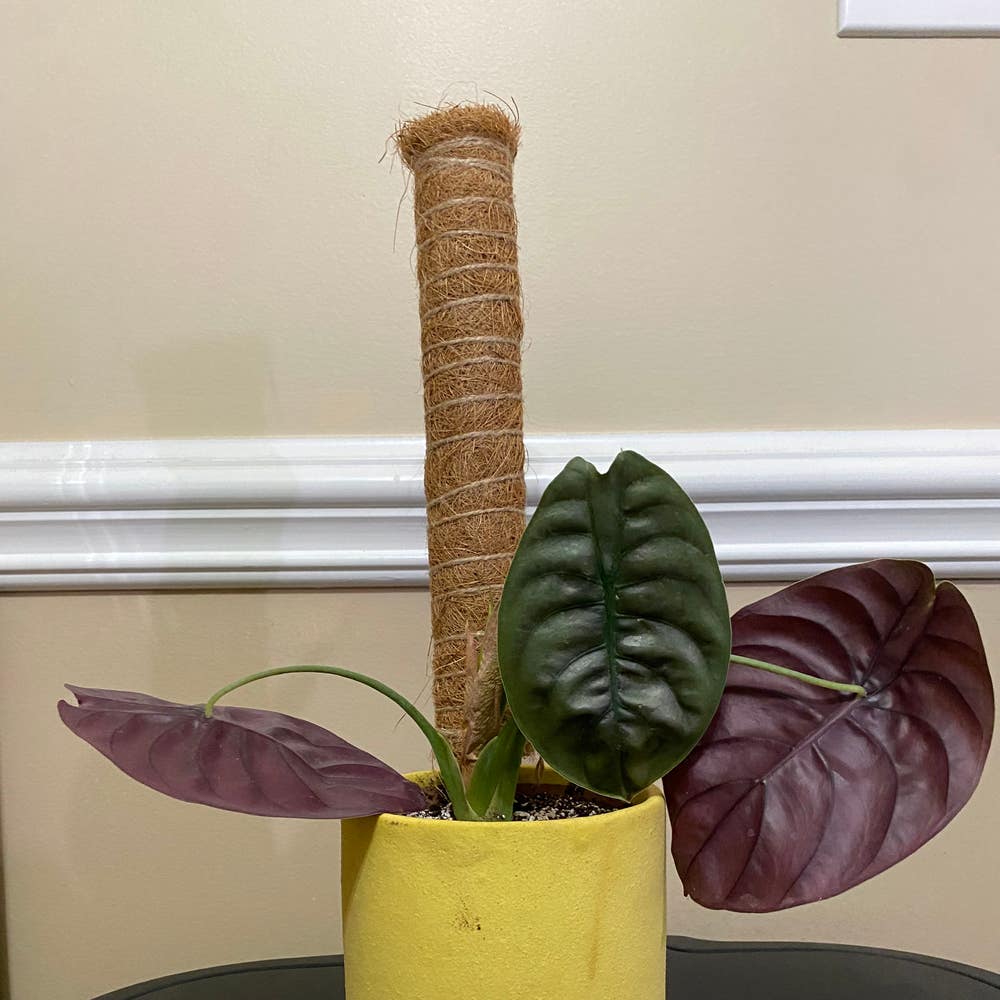
🪞 8 Winter Threats to Your Mirror Plant
Alocasia cuprea
By the Greg Editorial Team
Oct 09, 2024•4 min read
This article was created with the help of AI so we can cover more plants for you. May contain errors. See one? Report it here.
Ensure your mirror plant thrives this winter 🌱 and springs back stronger with these essential care tips! ❄️
- ❄️ Water every 2-4 weeks in winter; overwatering causes root rot.
- 🌬️ Protect from frost with covers and relocate potted plants to sheltered areas.
- 🌱 Avoid fertilizing in winter; wait until spring for balanced nutrients.
Winter Care Requirements
🌨️ Adjusting Watering Schedules for Winter
During winter, your mirror plant enters a dormancy phase, which means it needs less water. Reducing watering is crucial to prevent root rot, a common issue when the plant is not actively growing.
Aim to water every 2-4 weeks, adjusting based on your home's humidity and temperature. Keep an eye out for signs of overwatering, such as yellowing leaves or mushy roots, which can indicate that your plant is struggling.
❄️ Fertilizing Needs During the Winter Months
Fertilizing during dormancy is generally not recommended. Your mirror plant will benefit more from waiting until early spring when it starts to show signs of new growth.
When it's time to fertilize, opt for balanced NPK fertilizers to support healthy spring development. This approach ensures your plant gets the nutrients it needs without the risk of over-stimulation during its resting period.
With these winter care tips, your mirror plant will be well-prepared to thrive as the seasons change. Next, let’s explore how to protect your plant from frost damage.
Protection from Frost
🌨️ Methods for Frost Protection
Frost can be a sneaky adversary for your mirror plant. To shield your plants during cold snaps, consider covering them with frost cloths or blankets.
Mulching is another effective method. A layer of mulch around the base helps insulate the roots, keeping them warm and protected.
If your plants are in pots, relocating them can make a significant difference. Move container plants to sheltered areas or indoors to avoid frost exposure.
❄️ Signs of Frost Damage
Recognizing frost damage early can save your plant from further distress. Look for visual indicators like wilting leaves, browning edges, and leaf drop.
Ignoring these signs can lead to long-term effects, such as stunted growth or dieback. Addressing frost damage promptly is crucial for your plant's recovery.
With proper frost protection and awareness of damage signs, your mirror plant can thrive even in winter's chill. Next, let’s explore how to care for your indoor plants during the colder months.
Indoor Care for Winter
Best Indoor Conditions for Winter Growth 🌱
Creating the right indoor environment is crucial for your mirror plant's health during winter. Aim for a temperature range of 60°F to 75°F (15°C to 24°C) to keep your plant cozy.
Humidity is another key factor. Moderate humidity levels help prevent leaf drop, so consider using a humidifier or placing a tray of water nearby.
Air Circulation 🌬️
Good airflow is essential to prevent mold and pests. Ensure your plant is in a well-ventilated area, allowing fresh air to circulate around it.
Light Requirements for Indoor Plants 💡
Light is vital for your plant's growth. Aim for bright, indirect sunlight for 6-8 hours daily to keep your mirror plant thriving.
If natural light is limited, rotate your plants regularly. This ensures even light distribution, helping all sides of the plant receive adequate exposure.
Signs of Inadequate Light 🚨
Watch for signs that your plant isn't getting enough light. Stretching stems and pale leaves are indicators that it may need a brighter spot.
By maintaining optimal indoor conditions, you can help your mirror plant flourish even in the coldest months. This sets the stage for a smooth transition into spring care, ensuring your plant is ready to thrive as the seasons change.
Spring Preparation and Recovery
Assessing Winter Damage and Recovery Steps 🌨️
As winter fades, it's crucial to assess your mirror plant for any frost damage. Look for signs like wilting leaves or discoloration, which indicate areas needing attention.
Pruning is your best friend here. Trim away any damaged sections to encourage fresh growth, allowing your plant to bounce back stronger.
Patience is key during this recovery phase. Give your plant time to heal before jumping back into fertilization.
Preparing for Spring Growth and Care 🌱
Keep an eye out for signs of new growth, such as green shoots and budding leaves. These indicators signal that your plant is ready to thrive again.
Transitioning care is essential. Gradually increase watering and resume fertilization as your plant shows signs of life.
To stay organized, consider using the Greg plant care app. Set reminders for care adjustments to ensure your mirror plant receives the attention it needs as spring unfolds.
With these steps, you're well on your way to a vibrant growing season!
⚠️ Safety First
This content is for general information and may contain errors, omissions, or outdated details. It is not medical, veterinary advice, or an endorsement of therapeutic claims.
Always consult a qualified healthcare professional before using any plant as food, medicine, or supplement.
Never eat any plant (or feed one to pets) without confirming its identity with at least two trusted sources.
If you suspect poisoning, call Poison Control (800) 222-1222, the Pet Poison Helpline (800) 213-6680, or your local emergency service immediately.
Spotted an error? Please report it here.
Keep your mirror plant thriving this winter ❄️ with Greg's tailored reminders for watering and care adjustments, ensuring it’s ready to flourish come spring!