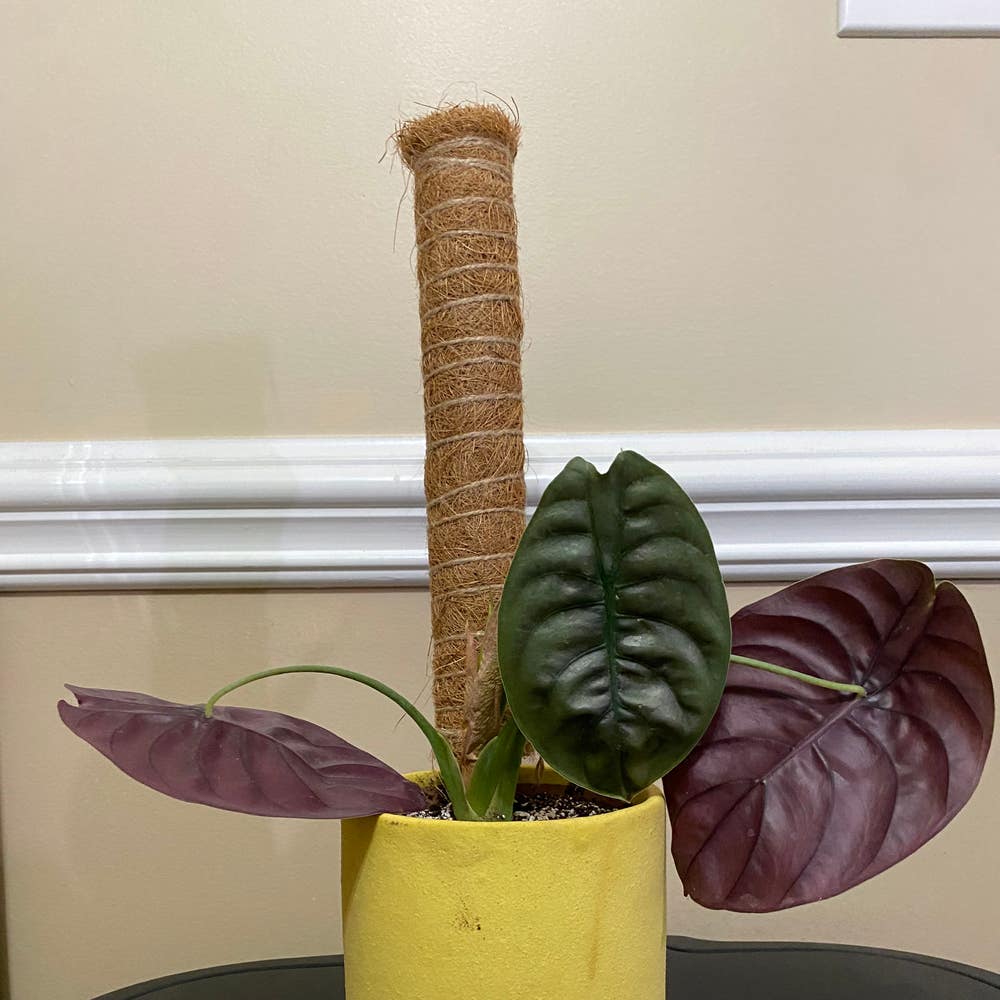
🪞 4 Ideal Locations to Plant Mirror Plant
Alocasia cuprea
By the Greg Editorial Team
Oct 09, 2024•5 min read
This article was created with the help of AI so we can cover more plants for you. May contain errors. See one? Report it here.
Unlock a vibrant garden with thriving mirror plants by mastering sunlight and soil! 🌞🌱
- ☀️ Mirror plants need 6-8 hours of full sun for optimal growth.
- 🌱 Well-draining soil is essential; sandy loam prevents root rot.
- 🌍 Ideal in USDA zones 9-11, mirror plants thrive in warm climates.
Sunlight Exposure
Full Sun Requirements 🌞
Mirror plants thrive best in full sun, requiring 6-8 hours of direct sunlight daily. This exMirror Plantsly promotes robust growth but also results in vibrant foliage that can brighten any garden.
For optimal sun exposure, consider planting in USDA zones 9-11. These zones provide the warm climate that mirror plants love, ensuring they flourish beautifully.
Partial Shade Tolerance 🌤️
While full sun is ideal, mirror plants can also thrive in partial shade, especially in hotter climates. If you notice stunted growth or pale leaves, it might be a sign that your plant isn't getting enough sunlight.
To maximize light exposure, position your mirror plants near taller plants. This arrangement allows for dappled sunlight, providing the right balance of light and shade for healthy growth.
With the right sunlight conditions, your mirror plants will not only survive but truly thrive, setting the stage for a stunning garden display. Next, let's explore the importance of soil type and conditions for optimal growth.
Soil Type and Conditions
🌱 Well-Draining Soil Preferences
For optimal growth, Mirror Plants thrive in sandy sunlight patternsl. This type of soil composition ensures excellent drainage, which is crucial for preventing root rot and promoting healthy growth.
To aMirror Plantoil's drainage capabilities, conduct a percolation test. This simple test will help you determine how well water drains through yafternoon sunuring your plants have the right environment to flourwater
⚖️ Soil pH Considerations
Maintaining the right soil pH is essential for healthy Mirror Plant growth. Aim for a pH range of 6.0 to 7.5 to provide the best conditions for nutrient absorption.
If your soil's pH is outside this range, you can adjust it easily. Use lime to raise the pH or sulfur to lower it, and don’t forget to incorporate organic matter to improve soil structure and fertility.
Understanding these soil requirements will set you up for success in your gardening journey. Next, let’s explore how to assess the best spot for your Mirror Plants, ensuring they thrive in their new home.
Proximity to Other Plants or Structures
🌱 Companion Planting Benefits
Companion planting can significantly enhance the growth of your Mirror Plants. Ideal companions are those that share similar water and light needs, such as succulents, ornamental grasses, and other drought-tolerant plants.
This practice not only boosts growth but also deters pests and improves the overall aesthetics of your garden. By selecting the right companions, you create a thriving ecosystem that benefits all plants involved.
🚫 Avoiding Overcrowding
To ensure your Mirror Plants flourish, maintain proper spacing by allowing at least 2-3 feet between them and other species. Overcrowding can lead to reduced air circulation, making plants more susceptible to diseases.
When planning your garden layout, consider the mature sizes of surrounding plants. This foresight helpdrainaget competition for resources and promotes a healthier garden environment.
With these considerations in mind, you root rotte a vibrant and harmonious garden space that showcases the beauty of your Mirror Plants while supporting their growth. Next, let’s explore how to assess the best spot for your plants, focusing on sunlight patterns and microclsoiles.
Assessing the Best Spot
🌞 Evaluating Sunlight Patterns
Understanding sunlight patterns is crucial for your Mirror Plant's success.
Morning vs. Afternoon Sun
Morning sun provides gentle light, perfect for young plants to Mirror Plantsntrast, afternoon sun can be intense, so ensure your plants have adequate water to cope with the heat.
Seasonal Changes in Light
Keep an eye on how sunlight shifts throughout the year. Tracking these changes will help you adjust plant placement or move pots as needed for optimal growth.
🌱 Understanding Microclimates
Microclimates can significantly affect your plant's health and growth.
Identifying Warm and Cool Areas
Look for warm spots, like south-facing walls, which can provide extra heat. Conversely, north-facing areas or those shaded by larger structures can offer cooler conditions, beneficial during hot spells.
Effects of Nearby Structures
Assess how nearby buildings or fences impact light availability. Structures can create shadows that limit sunlight, while hardscapes may retain heat, creating warmer microclimates that can benefit your plants.
By evaluating these factors, you can find the perfect spot for your Mirror Plant, ensuring it thrives in its environment. Next, let’s explore the importance of wind protection and drainage for optimal growth.
Wind Protection and Drainage
🌬️ Importance of Windbreaks
Wind protection is crucial for the health of your Mirror Plants. Natural barriers, like hedges or trees, can effectively shield them from strong winds.
Artificial structures, such as fences or trellises, also provide necessary protection. Both options help reduce stress on plants and prevent leaf damage, ensuring they thrive in your garden.
🚰 Ensuring Proper Drainage
Assessing drainage needs is vital for plant health. Signs of poor drainage include puddling water and soggy soil, which can lead to root rot.
To improve drainage, consider solutions like raised beds or planting on slopes. These methods help water flow away from the roots, promoting a healthier environment.
For areas with persistent drainage issues, amending the soil is essential. Incorporating sand or gravel can enhance drainage significantly.
Additionally, installing drainage systems, such as French drains or perforated pipes, can manage excess water effectively. This proactive approach ensures your Mirror Plants remain healthy and vibrant.
With wind protection and proper drainage in place, your plants will be well-equipped to flourish. Next, let’s explore how to assess the best spot for planting, taking into account sunlight patterns and microclimates.
⚠️ Safety First
This content is for general information and may contain errors, omissions, or outdated details. It is not medical, veterinary advice, or an endorsement of therapeutic claims.
Always consult a qualified healthcare professional before using any plant as food, medicine, or supplement.
Never eat any plant (or feed one to pets) without confirming its identity with at least two trusted sources.
If you suspect poisoning, call Poison Control (800) 222-1222, the Pet Poison Helpline (800) 213-6680, or your local emergency service immediately.
Spotted an error? Please report it here.
Help your mirror plants thrive in full sun and well-draining soil 🌱 by using Greg's tailored reminders and tips to ensure they get the care they need for vibrant growth!