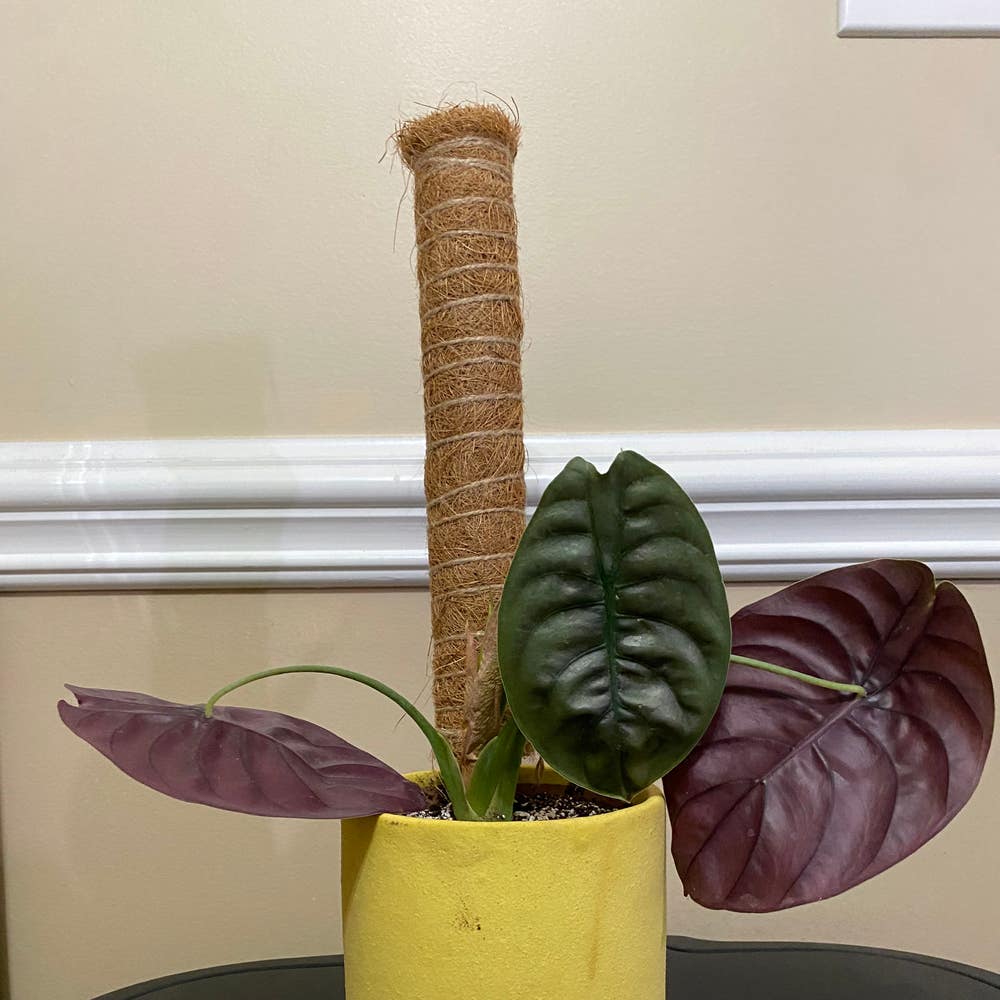
🌸 Understanding What It Means When Your Mirror Plant Blooms
Alocasia cuprea
By the Greg Editorial Team
Oct 09, 2024•5 min read
This article was created with the help of AI so we can cover more plants for you. May contain errors. See one? Report it here.
Uncover the Mirror Plant's charm, where stunning foliage eclipses its rare blooms! 🌿
- 🌼 Mirror Plant blooms are subtle, often overshadowed by its vibrant foliage.
- ☀️ Proper care boosts blooming—ensure 6 hours of sunlight and good watering.
- 🌱 Understanding its growth enhances appreciation for the Mirror Plant's unique beauty.
Flowering Status of Mirror Plant
🌼 Clarification on Flower Production
The Mirror Plant can indeed produce small flowers, but don’t expect them to steal the show. These blooms are subtle and often overshadowed by the plant's stunning, glossy leaves, which come in vibrant shades of green, gold, and variegated forms.
🚫 Reasons for Non-Flowering
Most gardeners cultivate the Mirror Plant for its foliage rather than its flowers, which is why many varieties bloom infrequently. Additionally, environmental factors play a crucial role; insufficient light, poor soil conditions, or improper watering can all inhibit flowering, leaving the plant focused on its lush leaves instead.
Understanding these aspects can help you appreciate the Mirror Plant's beauty, even if it doesn't bloom as often as you might hope. Next, let’s explore what happens if your Mirror Plant does flower.
If Mirror Plant Does Flower
🌼 Flower Characteristics
Description of Colors and Structure
Mirror Plant flowers are small and often go unnoticed, typically appearing in clusters. They usually showcase colors ranging from white to pale yellow, featuring a simple structure that doesn’t draw much attention.
Self-Pollination vs. External Pollination
This plant is primarily self-pollinating, which means it can produce seeds without needing another plant. However, it may also benefit from external pollination through wind or insects, enhancing its reproductive success.
🌸 Blooming Process
Stages of Blooming and Typical Bloom Time
The blooming process involves several stages: bud formation, opening, and reaching full bloom. Generally, this occurs in late spring to early summer, making it a delightful seasonal surprise.
Duration from Bud Formation to Full Bloom
Once the buds form, it can take anywhere from 2 to 4 weeks for them to fully bloom, depending on the environmental conditions. This timeframe allows for anticipation as you watch your plant develop.
Lifespan of Flowers
Once in bloom, the flowers typically last for about 1 to 2 weeks before fading away. This brief lifespan adds a touch of transience to their beauty.
🌱 Encouraging Blooms
Tips to Encourage Blooming
To encourage your Mirror Plant to bloom, consider these tips:
- Ensure it receives at least 6 hours of sunlight daily.
- Maintain proper watering practices to avoid over or under-watering.
- Fertilize with a balanced fertilizer during the growing season.
Factors Influencing Flowering
Several factors can influence flowering, including light levels, soil quality, and the overall health of the plant. Keeping these elements in check can significantly boost your chances of seeing those lovely blooms.
🌿 Post-Flowering
What Happens After the Flowering Period
After the flowering period, your Mirror Plant may enter a phase of dormancy or reduced growth. During this time, it will drop its flowers and redirect its energy toward foliage growth.
Discussion on Whether Mirror Plant Dies After Flowering
Rest assured, the Mirror Plant does not die after flowering. It continues to thrive and can produce new growth, ensuring its longevity in your garden.
🐝 Pollination
Description of Pollination Methods
While self-pollination is the norm for Mirror Plants, external pollination can also occur. This can happen through wind or insects, which may enhance seed production and contribute to the plant's resilience.
With a better understanding of the flowering process, you can appreciate the unique characteristics of the Mirror Plant. Whether it blooms or not, its vibrant foliage remains a stunning addition to any garden.
If Mirror Plant Doesn't Flower
🌿 Primary Ornamental or Functional Features
The Mirror Plant captivates with its vibrant, glossy leaves, which offer year-round visual interest in gardens and landscapes. Its striking foliage, available in various colors, makes it a favorite among gardeners looking to enhance their outdoor spaces.
Variegated forms of the Mirror Plant add even more flair, creating a dynamic display that draws the eye. This unique characteristic solidifies its status as a popular choice for ornamental use, even when flowers are absent.
🌱 Reproduction Methods Without Flowers
Interestingly, the Mirror Plant doesn't rely solely on flowers for reproduction. It can reproduce vegetatively through cuttings, making propagation a breeze for those eager to expand their collection.
This method allows gardeners to cultivate new plants without waiting for blooms, ensuring that the Mirror Plant remains a staple in many gardens. Its ability to thrive without flowering showcases its resilience and adaptability, making it a truly remarkable plant.
As we explore the unique aspects of the Mirror Plant, you'll discover even more about its fascinating characteristics and reproductive strategies.
Unique Aspects
Unusual Characteristics Related to Flowering or Non-Flowering Nature 🌼
The Mirror Plant's flowers are often overshadowed by its stunning foliage. While the blooms are small and inconspicuous, the glossy leaves in vibrant greens, golds, and variegated patterns truly steal the show.
This plant's ability to thrive in coastal environments highlights its remarkable adaptability. It can withstand salt spray and sandy soils, making it a resilient choice for diverse garden settings.
Interesting Facts or Trivia About Mirror Plant's Reproductive Strategy 🤓
One fascinating aspect of the Mirror Plant is its method of vegetative reproduction. Gardeners can easily propagate new plants through cuttings, ensuring that this beloved species continues to flourish.
Additionally, the plant's glossy leaves do more than just look good; they reflect light beautifully. This quality enhances its visual appeal, making it a standout feature in any landscape or garden design.
⚠️ Safety First
This content is for general information and may contain errors, omissions, or outdated details. It is not medical, veterinary advice, or an endorsement of therapeutic claims.
Always consult a qualified healthcare professional before using any plant as food, medicine, or supplement.
Never eat any plant (or feed one to pets) without confirming its identity with at least two trusted sources.
If you suspect poisoning, call Poison Control (800) 222-1222, the Pet Poison Helpline (800) 213-6680, or your local emergency service immediately.
Spotted an error? Please report it here.
Unlock the blooming potential of your Mirror Plant 🌼 with Greg's tailored care reminders that ensure it thrives in the right conditions!