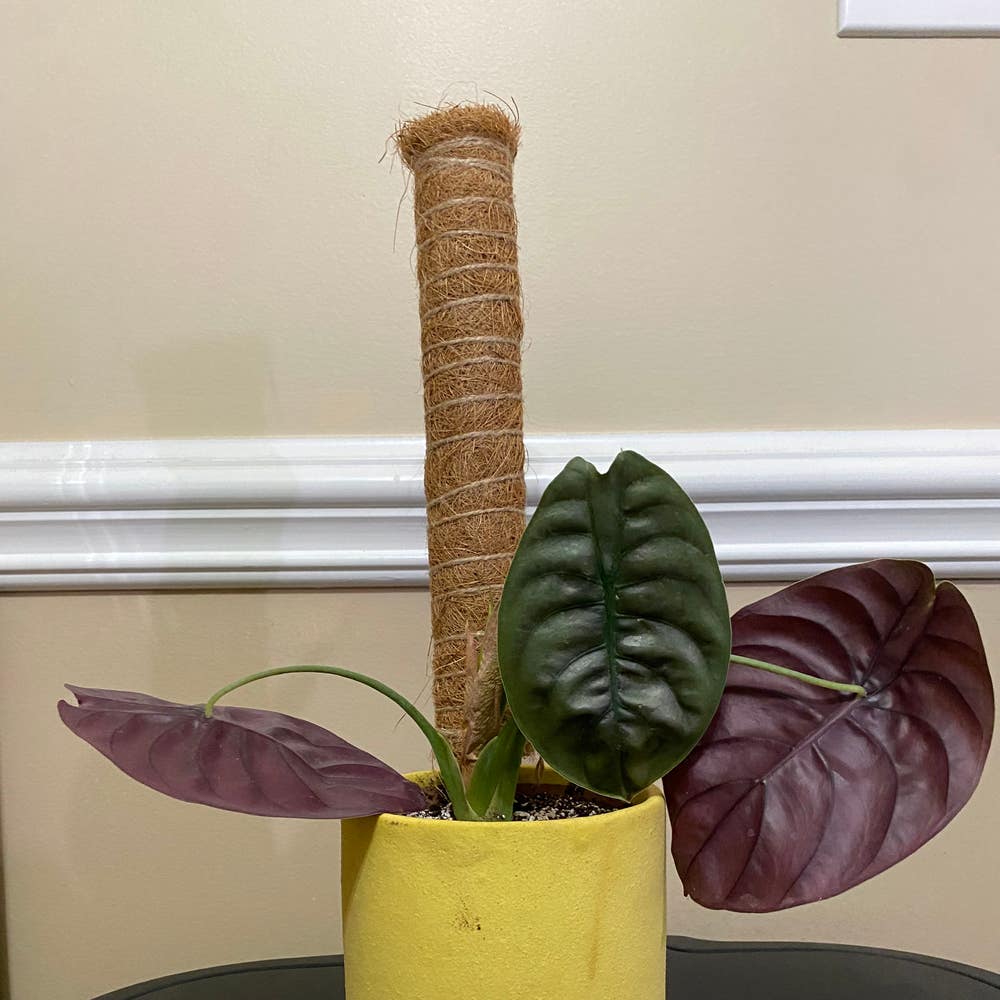
🪞 Best Companion Plants for Mirror Plant
Alocasia cuprea
By the Greg Editorial Team
Oct 09, 2024•3 min read
This article was created with the help of AI so we can cover more plants for you. May contain errors. See one? Report it here.
Boost your Mirror Plant's health and beauty 🌼 with these ideal companion plants for a thriving garden! 🌿
- 🌱 Companion plants like lavender and marigolds enhance Mirror Plant health and aesthetics.
- 🐞 Effective pest management is achieved with rosemary and sedum alongside the Mirror Plant.
- ❌ Avoid fennel and nightshade plants; they harm the Mirror Plant's growth and health.
Best Companion Plants for Mirror Plant
🌱 Description of Suitable Companion Plants
Plant 1: Lavender
Lavender is a drought-resistant plant known for its delightful fragrance and ability to attract pollinators. Not only does it repel pests like aphids and whiteflies, but it also beautifully complements the aesthetic of the Mirror Plant.
Plant 2: Marigold
Marigolds are easy to grow and boast brightly colored flowers that can brighten any garden. They are particularly effective at repelling pests such as nematodes and aphids, making them a great companion for the Mirror Plant.
Plant 3: Rosemary
This hardy herb features aromatic foliage that adds a unique touch to your garden. Rosemary deters pests like cabbage moths while attracting beneficial insects, enhancing the overall health of your Mirror Plant.
Plant 4: Sedum
Sedum is a succulent with a variety of foliage colors, making it visually appealing. It shares similar soil moisture needs with the Mirror Plant and provides excellent ground cover, enhancing the garden's aesthetic.
🌿 Explanation of Why These Plants Thrive with Mirror Plant
These companion plants thrive alongside the Mirror Plant due to their similar care requirements, particularly their drought tolerance and preference for well-drained soil.
Additionally, their pest-repelling properties help deter common pests that may affect the Mirror Plant, ensuring a healthier growing environment.
Lastly, the color and texture compatibility of these plants with the glossy foliage of the Mirror Plant creates a harmonious visual appeal in your garden.
🚫 Plants to Avoid Near Mirror Plant
Plant 1: Fennel
Fennel should be avoided due to its allelopathic properties, which inhibit the growth of nearby plants. This can negatively impact the health of your Mirror Plant.
Plant 2: Nightshade Family
Plants from the nightshade family can attract pests and compete for nutrients, making them unsuitable companions for the Mirror Plant.
⚠️ Explanation of Potential Negative Interactions
Understanding plant compatibility is crucial in companion planting. Fennel and nightshade plants can hinder the growth and overall health of the Mirror Plant, leading to a less vibrant garden.
🐞 Pest Management through Companion Planting
How Companion Plants Can Deter Pests
Companion plants naturally deter pests through various mechanisms, such as emitting scents that repel unwanted insects. This creates a protective barrier around the Mirror Plant.
Specific Pests That Can Be Managed with Companion Plants
Common pests affecting the Mirror Plant include aphids and whiteflies. The right companion plants can significantly reduce their presence, promoting a healthier environment.
Examples of Pest-Repelling Companion Plants for Mirror Plant
Recapping the previously mentioned plants, lavender, marigold, rosemary, and sedum all offer specific pest management benefits. Their combined effects can create a thriving ecosystem around your Mirror Plant.
With the right companions, your garden can flourish, ensuring your Mirror Plant remains healthy and vibrant.
⚠️ Safety First
This content is for general information and may contain errors, omissions, or outdated details. It is not medical, veterinary advice, or an endorsement of therapeutic claims.
Always consult a qualified healthcare professional before using any plant as food, medicine, or supplement.
Never eat any plant (or feed one to pets) without confirming its identity with at least two trusted sources.
If you suspect poisoning, call Poison Control (800) 222-1222, the Pet Poison Helpline (800) 213-6680, or your local emergency service immediately.
Spotted an error? Please report it here.
Enhance your Mirror Plant's health and beauty with companion plants like lavender and marigolds, and let Greg provide you with tailored care reminders to keep your garden thriving and pest-free! 🌱