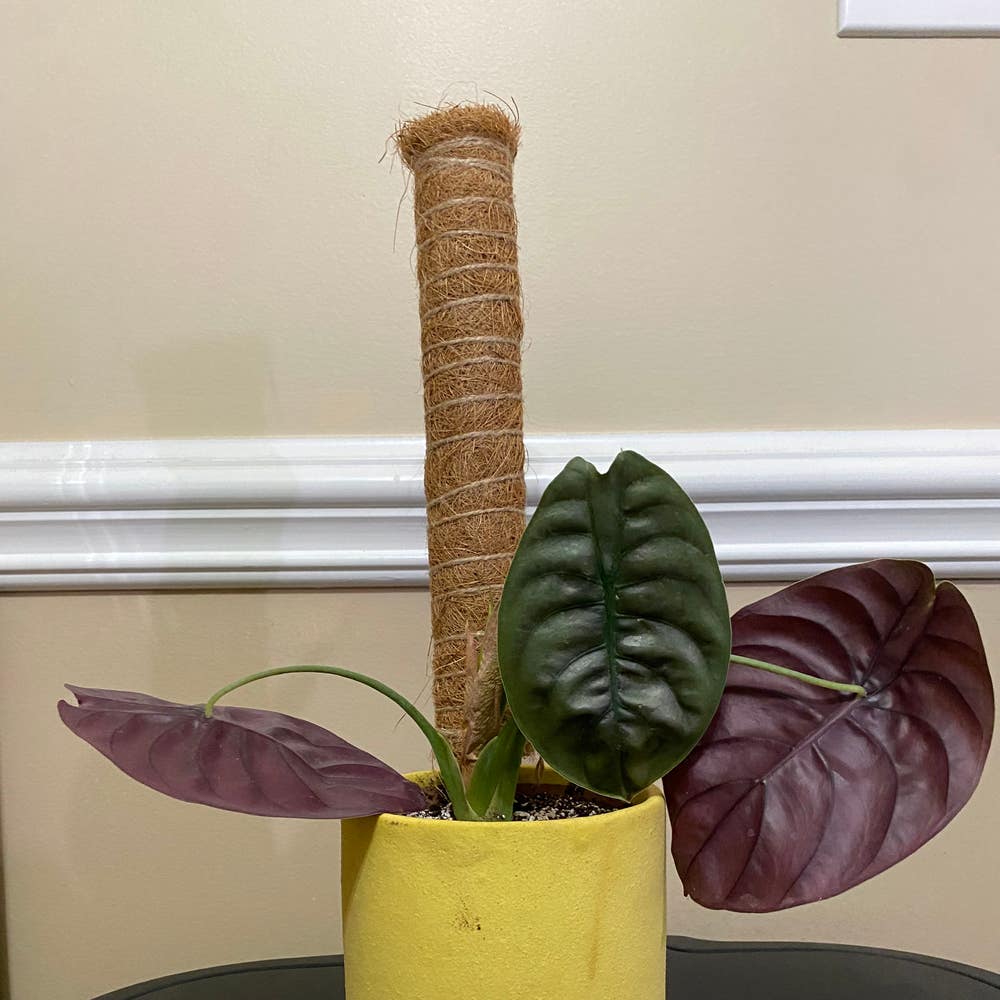
🪞 6 Benefits of Having a Mirror Plant
Alocasia cuprea
By the Greg Editorial Team
Oct 09, 2024•4 min read
This article was created with the help of AI so we can cover more plants for you. May contain errors. See one? Report it here.
Elevate your home with the stunning mirror plant 🌿—a beauty that purifies air and nurtures tranquility!
- 🌿 Mirror plants enhance spaces with glossy leaves, reflecting light beautifully indoors and outdoors.
- 🌱 They purify air by filtering toxins like formaldehyde, promoting a healthier environment.
- 🌍 Drought-resistant and versatile, mirror plants support eco-friendly gardening and fit various decor styles.
Aesthetic and Unique Features
Enhancing Garden and Indoor Decor 🌿
The mirror plant is a showstopper with its glossy leaves that reflect light, instantly brightening any space. This striking visual feature creates a vibrant atmosphere, making it a perfect addition to both gardens and interiors.
Color variations in the mirror plant range from deep green to stunning variegated patterns. These diverse hues add depth and interest to landscapes, ensuring your garden remains visually captivating throughout the seasons.
Versatility is another hallmark of the mirror plant. It fits seamlessly into both modern and traditional garden aesthetics, allowing you to express your style effortlessly. Whether you’re aiming for a chic indoor look or a lush outdoor garden, this plant adapts beautifully.
Incorporating a mirror plant into your decor not only enhances visual appeal but also invites a sense of tranquility. Its unique features make it a must-have for anyone looking to elevate their space.
As we explore further, let’s dive into the air purification and health benefits that come with having this remarkable plant in your home.
Air Purification and Health Benefits
🌬️ Improving Indoor Air Quality
Mirror plants are more than just a pretty face; they act as natural air purifiers. These plants filter out toxins, enhancing the overall air quality in your home.
🧪 Specific Pollutants Targeted
They are particularly effective against common indoor pollutants like formaldehyde and benzene. This means you can breathe easier knowing your space is cleaner and healthier.
😌 Stress Reduction
Beyond air quality, studies show that indoor plants can significantly lower stress levels. Having a mirror plant nearby can uplift your mood and create a more serene environment.
Incorporating a mirror plant into your space not only beautifies it but also contributes to your well-being. Next, let's explore how these plants are drought-resistant and their positive environmental impact.
Drought Resistance and Environmental Impact
🌱 Benefits of Growing a Drought-Tolerant Plant
Drought-tolerant plants, like the mirror plant, are champions of water conservation. They require less frequent watering, making them an eco-friendly choice for any garden.
These plants thrive in arid climates where many others struggle to survive. Their resilience not only beautifies your space but also supports sustainable gardening practices.
🦋 Habitat for Wildlife
Beyond their aesthetic appeal, drought-tolerant plants provide essential habitats for wildlife. They offer shelter and food for various bird species and beneficial insects, promoting biodiversity in your garden.
By incorporating these plants, you create a thriving ecosystem that supports local wildlife. This connection to nature enhances your outdoor space while contributing positively to the environment.
In summary, choosing drought-resistant plants like the mirror plant not only conserves water but also fosters a vibrant habitat for wildlife. Next, let’s explore the rich symbolism and cultural significance these plants hold across various traditions.
Symbolism and Cultural Significance
Reflective Qualities and Historical Uses 🌿
The mirror plant is more than just a beautiful addition to your space; it carries deep symbolism across various cultures. It often represents self-reflection and introspection, encouraging individuals to look within and contemplate their thoughts and feelings.
In many traditions, this plant embodies harmony with the environment. Its reflective qualities serve as a reminder of our connection to nature, often featured in practices that promote balance and tranquility.
Cultural Reverence in New Zealand 🇳🇿
In New Zealand, the mirror plant holds particular significance. It is valued for its historical uses, especially among indigenous communities, where it plays a role in cultural practices and storytelling.
This connection to the land and its heritage highlights the plant's importance beyond aesthetics. It serves as a living testament to the relationship between people and nature, enriching both gardens and cultural narratives.
As you consider adding a mirror plant to your collection, remember its rich symbolism. It’s not just a plant; it’s a conversation starter about self-discovery and environmental harmony.
Next, let’s explore how this versatile plant can enhance your landscaping efforts.
Versatility in Landscaping
Uses in Various Landscaping Styles 🌿
The mirror plant shines in its adaptability, making it a fantastic choice for both indoor and outdoor settings. Whether you want to create a lush hedge or use it as ground cover, its versatility knows no bounds.
Compatibility with Other Plants 🌼
One of the mirror plant's standout features is its compatibility with a variety of ornamental plants. It enhances the overall aesthetics of your garden, creating a harmonious blend of colors and textures.
Year-Round Appeal 🌈
Another significant advantage is its year-round appeal. The mirror plant maintains its decorative foliage throughout different seasons, ensuring your landscape remains vibrant and inviting no matter the time of year.
Incorporating the mirror plant into your landscaping not only elevates the visual appeal but also fosters a thriving ecosystem. As we explore the next section, we'll delve into its symbolism and cultural significance, revealing even more layers to this remarkable plant.
⚠️ Safety First
This content is for general information and may contain errors, omissions, or outdated details. It is not medical, veterinary advice, or an endorsement of therapeutic claims.
Always consult a qualified healthcare professional before using any plant as food, medicine, or supplement.
Never eat any plant (or feed one to pets) without confirming its identity with at least two trusted sources.
If you suspect poisoning, call Poison Control (800) 222-1222, the Pet Poison Helpline (800) 213-6680, or your local emergency service immediately.
Spotted an error? Please report it here.
Transform your space with a mirror plant's reflective beauty 🌿 while Greg helps you thrive with tailored care reminders for effortless growth and well-being!