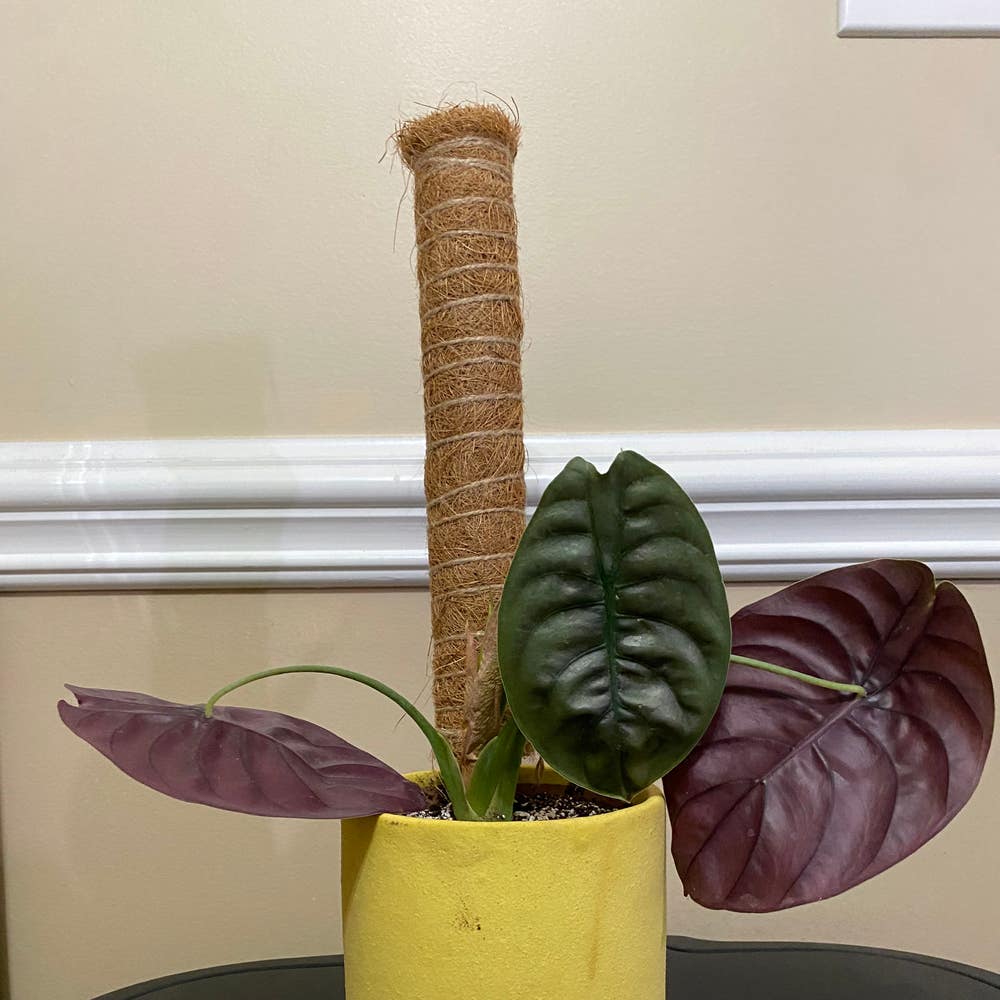
Best Temperature Conditions for Mirror Plant ☀️
Alocasia cuprea
By the Greg Editorial Team
Oct 09, 2024•4 min read
This article was created with the help of AI so we can cover more plants for you. May contain errors. See one? Report it here.
Unlock your mirror plant's full potential 🌱 by mastering its temperature needs for vibrant growth and resilience! 🌡️
- 🌡️ Optimal temperature for mirror plants is 15°C to 25°C (59°F to 77°F) for growth.
- ❄️ Cold stress symptoms include darkened edges; protect from frost below 5°C (41°F).
- 🔥 Avoid temperatures above 30°C (86°F) to prevent heat stress and leaf damage.
Temperature Requirements for Growth
🌡️ Optimal Temperature Range
The mirror plant thrives best in a cozy temperature range of 15°C to 25°C (59°F to 77°F). Keeping temperatures consistent within this range is key to promoting healthy growth and vibrant foliage.
Regularly monitoring the temperature is essential. This ensures your plant remains in its ideal comfort zone, minimizing stress and maximizing its potential.
🏠 Ideal Indoor vs. Outdoor Temperatures
For indoor growth, aim to maintain temperatures between 18°C to 24°C (65°F to 75°F). Stable indoor temperatures are crucial; fluctuations can lead to stress and hinder your plant's development.
When it comes to outdoor conditions, the mirror plant is quite resilient. It can tolerate temperatures as low as 5°C (41°F) but should be shielded from frost. Conversely, avoid exposing it to temperatures exceeding 30°C (86°F) to prevent heat stress and potential damage.
With the right temperature care, your mirror plant can flourish beautifully, setting the stage for the next section on temperature stress.
Temperature Stress in Mirror Plant
Signs and Symptoms of Temperature Stress 🌡️
Temperature stress can manifest in several noticeable ways. Look out for leaf discoloration, which often appears as yellowing or browning leaves.
Another common sign is wilting, where leaves droop or lose their firmness. You might also notice leaf drop, where the plant sheds leaves prematurely.
Specific Symptoms Related to Cold and Heat Stress ❄️🔥
Cold stress presents its own set of symptoms. You may see darkening of leaf edges and stunted growth.
On the flip side, heat stress can lead to crispy leaf edges and leaf curling. Recognizing these signs early can help you take action before the plant suffers too much.
Causes of Temperature Stress 🌬️
Understanding the causes of temperature stress is crucial for prevention. Cold stress often results from exposure to frost or prolonged temperatures below 5°C (41°F).
Sudden temperature drops during winter months can also trigger cold stress.
Heat Stress Causes ☀️
Heat stress, however, is usually due to prolonged exposure to temperatures above 30°C (86°F).
Additionally, insufficient watering during hot weather can lead to dehydration, exacerbating the stress on your mirror plant.
By being aware of these signs and causes, you can better care for your mirror plant and ensure it thrives in its environment. Next, let’s explore effective recovery strategies for stressed mirror plants.
Recovery Strategies for Stressed Mirror Plants
When your mirror plant shows signs of temperature stress, quick action can make all the difference. Here’s how to help your plant bounce back.
🌬️ Steps to Recover from Cold Stress
Move Indoors or to a Sheltered Location
If your plant has been exposed to cold temperatures, bring it indoors or place it in a more protected area. This immediate action helps shield it from further chill.Gradually Increase Temperature Exposure
Once relocated, slowly acclimate the plant to warmer conditions. Sudden changes can shock the plant, so take your time.Monitor Soil Moisture
Keep an eye on the soil moisture levels. Overwatering can lead to root rot, while underwatering can stress the plant further.
☀️ Steps to Recover from Heat Stress
Provide Shade During Peak Sunlight Hours
Shield your mirror plant from intense sunlight, especially during the hottest parts of the day. This can prevent further damage.Increase Watering Frequency
Hot weather can dry out the soil quickly. Water more frequently to maintain adequate moisture levels.Trim Damaged Leaves
Remove any crispy or damaged leaves. This encourages new growth and helps the plant focus its energy on recovery.
By following these recovery strategies, you can help your mirror plant regain its vitality. With a little care and attention, it will thrive once again.
Next, let’s explore how mirror plants adapt to temperature changes and what you can do to help them acclimate smoothly.
Temperature Adaptation
🌡️ How Mirror Plant Adapts to Temperature Changes
The mirror plant has some impressive adaptation mechanisms. Its glossy leaves reflect excess sunlight, helping it manage heat effectively.
Additionally, its root system is versatile, tolerating various soil types. This adaptability aids in temperature regulation, allowing the plant to thrive in different environments.
🛠️ Tips for Acclimating Mirror Plant to New Temperature Environments
Acclimating your mirror plant to new temperatures is crucial for its health. Here are some effective strategies:
- Gradually introduce the plant to new temperatures over a week.
- Monitor for signs of stress during the acclimation period.
- Adjust watering and light exposure to match new conditions.
Consistent care during this acclimation process minimizes shock. By following these tips, you can help your mirror plant adjust smoothly and thrive in its new environment.
As you prepare to acclimate your plant, consider how these strategies can enhance its resilience and overall health.
⚠️ Safety First
This content is for general information and may contain errors, omissions, or outdated details. It is not medical, veterinary advice, or an endorsement of therapeutic claims.
Always consult a qualified healthcare professional before using any plant as food, medicine, or supplement.
Never eat any plant (or feed one to pets) without confirming its identity with at least two trusted sources.
If you suspect poisoning, call Poison Control (800) 222-1222, the Pet Poison Helpline (800) 213-6680, or your local emergency service immediately.
Spotted an error? Please report it here.
Keep your mirror plant thriving 🌱 by using Greg for personalized care tips and reminders that ensure it stays within its ideal temperature range!