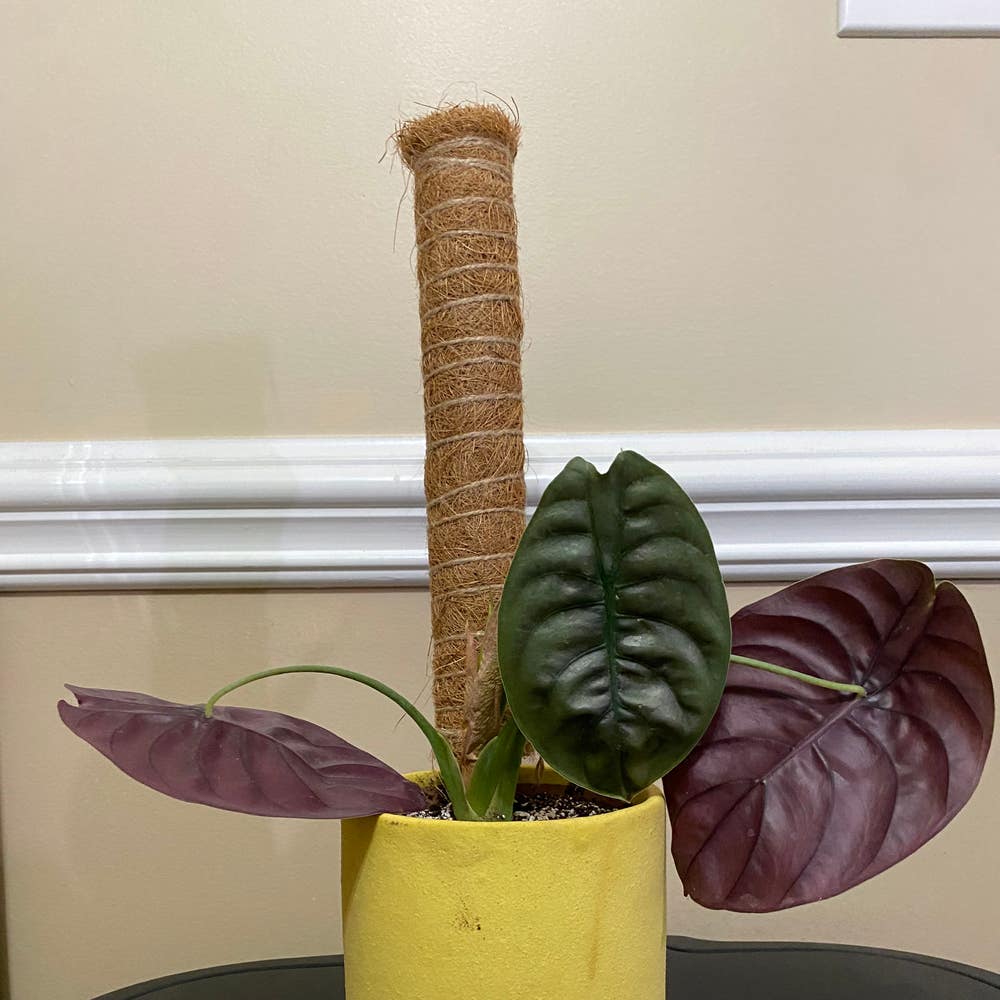
🌟 4 Tips for How to Plant Mirror Plant
Alocasia cuprea
By the Greg Editorial Team
Oct 09, 2024•5 min read
This article was created with the help of AI so we can cover more plants for you. May contain errors. See one? Report it here.
Transform your garden with expert tips on planting and transplanting mirror plants 🌱 for vibrant growth!
- 🌱 Established mirror plants mature faster, saving time compared to seeds or young plants.
- 🌞 Optimal planting time is spring or early summer for best growth results.
- 🏺 Use well-draining soil and 12-inch pots to prevent root rot and ensure health.
Planting vs. Transplanting
🧐 Key Considerations
When deciding between planting seeds or young plants versus established ones, cost is a significant factor. Seeds and young plants are generally cheaper, but established plants can save you time and effort.
Time to maturity is another crucial aspect. New plants take longer to grow and establish themselves, while established plants can thrive almost immediately in your garden.
Adaptability plays a vital role too. Established plants are often more resilient to local conditions, making them a safer bet if you're unsure about your garden's environment.
Understanding these considerations can help you make an informed choice that aligns with your gardening goals. Whether you opt for seeds or established plants, each path has its unique benefits and challenges.
As you weigh your options, think about what fits best with your gardening style and local conditions. This will set the stage for a successful planting experience.
Planting New Mirror Plant
🌱 Optimal Timing for Planting
The best time to plant your mirror plant is during spring or early summer. This period offers mild temperatures that promote healthy growth.
Understanding your local climate is crucial. Different regions may have unique conditions that can affect the plant's success.
🪴 Selecting Soil Mix and Containers
For optimal growth, use a well-draining soil mix. This helps prevent root rot, which can be detrimental to your mirror plant.
When it comes to containers, choose pots that are at least 12 inches in diameter. Materials like terracotta or plastic work well for container gardening.
📏 Proper Depth and Spacing
Plant your mirror plant 2-3 inches below the soil surface. This depth helps establish a strong root system.
Ensure you space your plants 12-18 inches apart. This allows for adequate airflow and growth.
☀️ Maintaining Ideal Growing Conditions
Mirror plants thrive in full sun to partial shade. Position them where they can soak up plenty of light.
Watering is essential, especially right after planting. Keep the soil consistently moist but not soggy to promote healthy growth.
🌳 Hardening Off Process
Gradually acclimating your mirror plants to outdoor conditions is vital. This hardening off process helps them adjust to their new environment.
Start by placing them outside for a few hours each day. Gradually increase their exposure over a week or two for successful acclimatization.
With these steps, you're well on your way to planting a thriving mirror plant. Next, let’s explore how to transplant established mirror plants for optimal growth.
Transplanting Established Mirror Plant
🌱 Optimal Timing for Transplanting
The best time to transplant your mirror plant is during early spring or fall when the plant is dormant. This timing helps minimize stress and allows for better recovery.
🛠️ Step-by-Step Instructions
Removing the Plant
- Water the plant a day before transplanting to reduce stress.
- Carefully dig around the root zone to avoid damaging roots.
- Lift the plant gently from the ground.
Preparing the New Site
- Choose a location that offers suitable sunlight and good drainage.
- Amend the soil if necessary to ensure optimal growth conditions.
Ensuring Proper Placement
Center the plant in the new hole, ensuring that the roots are spread out evenly. Maintain a spacing of 12-18 inches between plants to allow for healthy growth.
💧 Tips for Watering and Mulching
After transplanting, give the plant a deep watering to help settle the soil around the roots. Consider applying a layer of mulch to retain moisture and suppress weeds.
🏗️ Providing Support
If necessary, use stakes or cages to provide support for your mirror plant as it establishes in its new location. This will help prevent any damage from wind or heavy rain.
Transplanting can be a rewarding experience, ensuring your mirror plant thrives in its new home. Next, let’s explore troubleshooting common issues that may arise during this process.
Troubleshooting Common Issues
🌱 Transplant Shock
Transplant shock can be a real hurdle for your mirror plants. Symptoms include wilting, yellowing leaves, and stunted growth, signaling that your plant is struggling to adjust.
To minimize transplant shock, water the plant thoroughly before moving it. This helps reduce stress on the roots and keeps them hydrated during the transition.
🚿 Establishment Problems
Establishment issues often stem from overwatering or poor drainage. If your plant's leaves are turning yellow or the soil remains soggy, it’s a sign that adjustments are needed.
To remedy this, modify your watering schedule. Allow the top inch of soil to dry out before watering again, and consider improving drainage by adding perlite or sand to the soil mix.
🐛 Other Common Issues
Pests and diseases can also threaten your mirror plants. Look out for signs like discolored leaves or webbing, which may indicate infestations.
To keep your plants healthy, implement preventative measures. Regularly inspect your plants and use organic pesticides as needed to ward off potential threats.
With these troubleshooting tips, you can ensure your mirror plants thrive in their new environment. Next, let’s explore how to maintain ideal growing conditions for your plants.
⚠️ Safety First
This content is for general information and may contain errors, omissions, or outdated details. It is not medical, veterinary advice, or an endorsement of therapeutic claims.
Always consult a qualified healthcare professional before using any plant as food, medicine, or supplement.
Never eat any plant (or feed one to pets) without confirming its identity with at least two trusted sources.
If you suspect poisoning, call Poison Control (800) 222-1222, the Pet Poison Helpline (800) 213-6680, or your local emergency service immediately.
Spotted an error? Please report it here.
Plant your mirror plants with confidence 🌿—Greg's tailored care reminders and expert tips will help you cultivate a thriving garden that truly reflects your dedication!